Rubio and Lavrov discuss bilateral relations and the wars in Ukraine and Iran

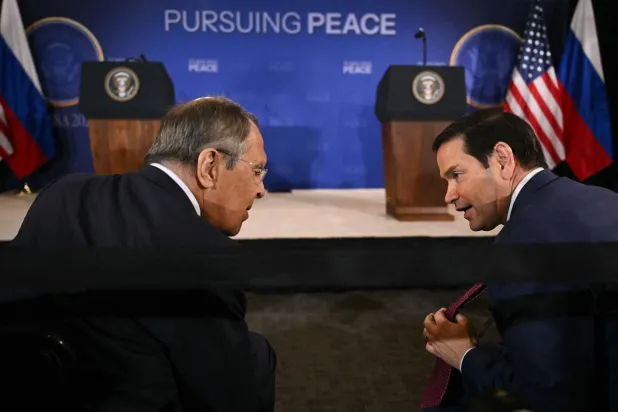
Russian Foreign Minister Sergei Lavrov and his US counterpart Marco Rubio discussed bilateral relations, international issues, and the wars in Ukraine and Iran during a phone call on Tuesday, about a week after a phone conversation between US President Donald Trump and Russian President Vladimir Putin.
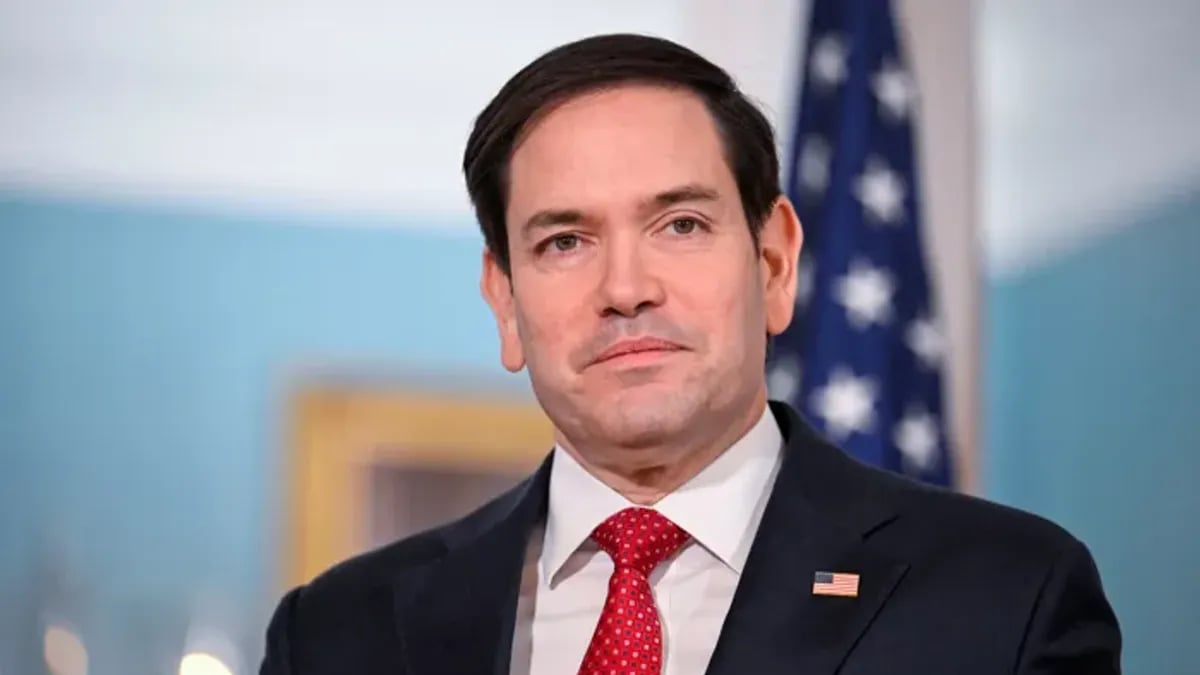
The US State Department said in a statement that Rubio spoke with Lavrov at the latter's request, adding that the two ministers discussed US-Russia relations, the Russia-Ukraine war, and the situation in Iran.
The Russian Foreign Ministry described the conversation between Lavrov and Rubio as "constructive and professional" in a statement.
Russia offered to mediate to help restore calm in the Middle East following US and Israeli strikes on Iran, which Moscow condemned, and has repeatedly offered to store Iranian enriched uranium as a means to ease tensions, an offer the United States did not accept.
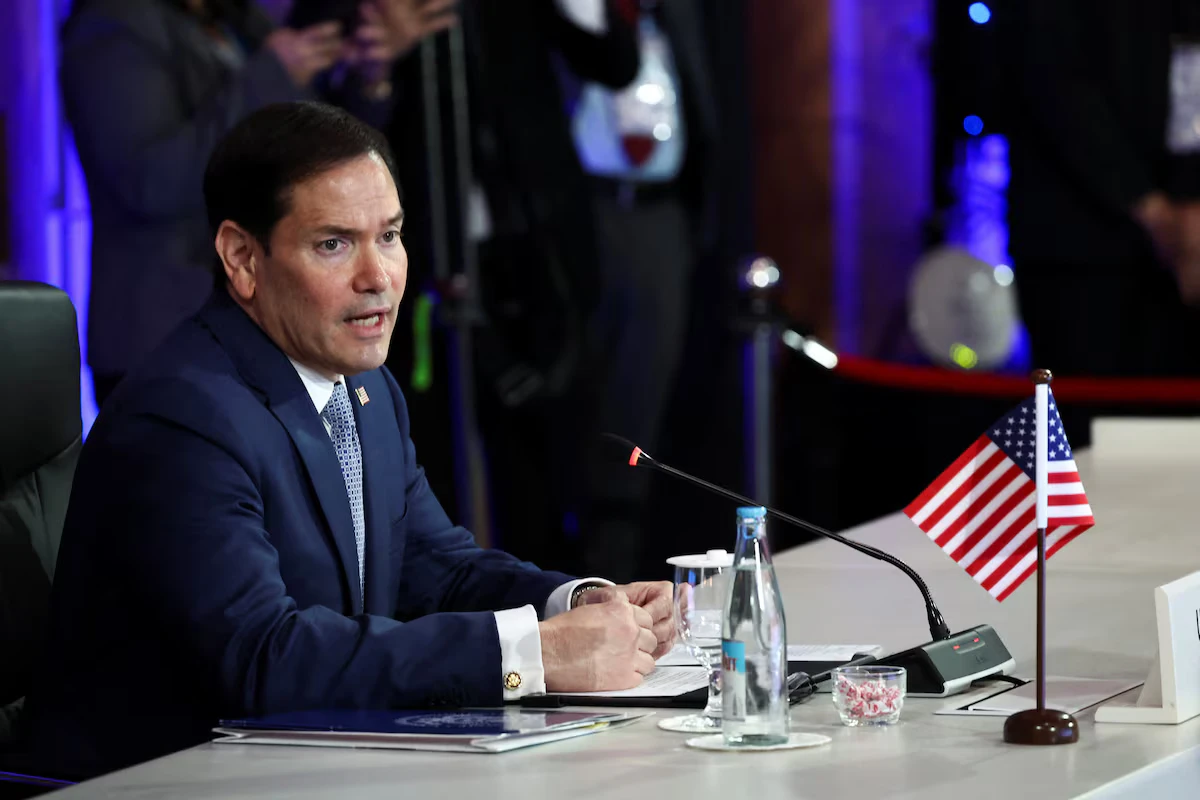
Rubio said Tuesday that the United States made some amendments to a draft UN Security Council resolution on the Strait of Hormuz in an attempt to avoid a veto from China and Russia.
Putin and Trump call
About a week ago, US President Donald Trump and Russian President Vladimir Putin held a phone call during which they discussed proposals on ways to end the war in Iran and Ukraine.
Trump said the call primarily covered the war in Ukraine, in addition to the Iranian file, expressing his belief that a solution could be reached "relatively quickly."
He added, in remarks to reporters at the White House, that he had a "very good conversation" with Putin, saying: "I think we will reach a solution relatively quickly... I hope so," noting that the Russian president "wants to see a solution."
Trump explained that Putin showed willingness to engage on the Iranian file, saying: "He (Putin) told me he wants to participate on the uranium enrichment topic if he can help us with that. I told him I prefer he participate in ending the war in Ukraine, that is more important to me," noting that the Russian president "does not want to see Iran possess a nuclear weapon."
For its part, the Russian presidency said at the time that the phone call between Putin and Trump lasted more than an hour and a half, describing it as "friendly and professional," during which ideas were proposed to resolve the dispute over Iran's nuclear program.
Yuri Ushakov, an aide to the Russian president, indicated in a statement that Putin expressed support for Trump's decision to extend the ceasefire with Iran, and that the US president believes that reaching an agreement to settle the Ukrainian conflict is imminent.
Earlier on Monday, Putin announced a ceasefire in Ukraine for May 8 and 9, while Kyiv said it would begin observing the truce from midnight on May 5 to May 6.
Russia offers mediation
On April 30, Moscow reiterated its readiness to contribute to resolving the crisis between the United States and Iran.
Kremlin spokesman Dmitry Peskov said that "Russia, if necessary and if there is a request, is ready to contribute to resolving the crisis between Iran and the United States. Unfortunately, it is now pointless to talk about the request."
Peskov noted in remarks to reporters that Russia's participation in this process must be requested by all states.
It is worth noting that Tehran and Moscow signed a 20-year strategic partnership agreement last year, and Russia is building two new nuclear units in Bushehr.
Iran also supplies Russia with Shahed drones for use in the war against Ukraine, and Moscow has since begun producing these drones locally.
US Joint Chiefs of Staff Chairman General Dan Caine said Russian President Vladimir Putin provided support for Iran's efforts in the war with the United States and Israel.
Also, Senate Armed Services Committee Chairman Senator Roger Wicker supported this accusation, saying: "There is no doubt that Russia, under the leadership of Vladimir Putin, is taking serious steps to undermine our efforts to achieve success in Iran."
Russia has long denied sending military aid to Iranian forces or providing them with intelligence information during the recent US-Israeli war on Iran.
Original source: Asharq News



Comments (0)
Be the first to comment.