US ‘open’ to negotiations with Iran but Tehran not ‘serious’, Rubio says

US Secretary of State says Iranian control over Strait of Hormuz sets 'dangerous precedent', as attacks continue.
By AFP and Reuters
This article was published on 22 July 2026.
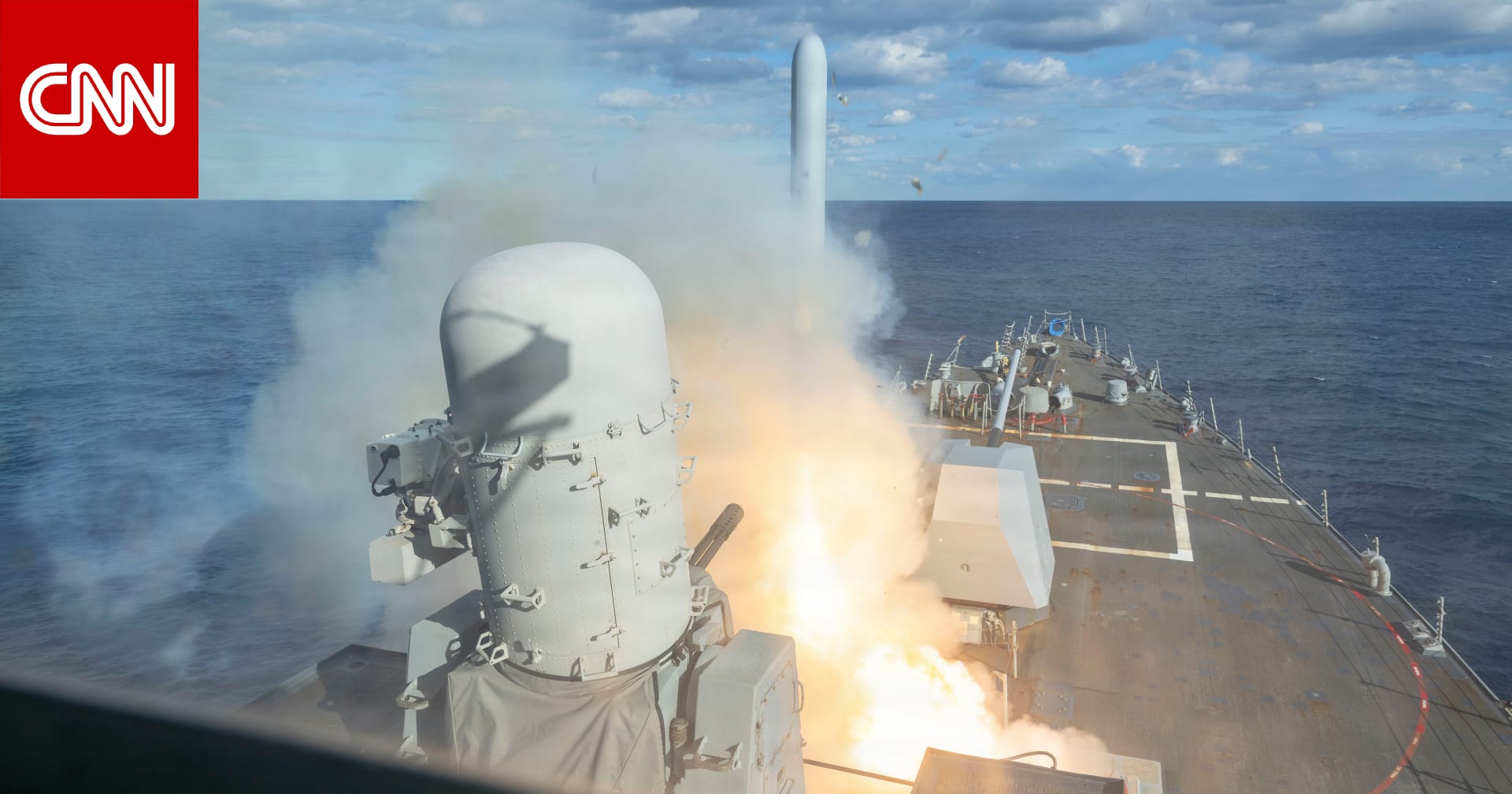
The remarks come as the US continues airstrikes against Iran for the eleventh consecutive night, with explosions reported across the country.
United States Secretary of State Marco Rubio says his country is willing to negotiate an end to the war on Iran but accuses Tehran of not being “serious” about talks.
Speaking at an ASEAN meeting in Manila on Wednesday, Secretary Rubio stated that the US remains open to constructive talks, provided commitments are upheld.
Recommended Stories
list of 3 items
- list 1 of 3US attacks Iran for 11th consecutive night
- list 2 of 3Hegseth called a ‘failure’ over Iran as he reveals $37b cost of war
- list 3 of 3US expands strikes on 11th straight night of attacks
end of list
“The problem we’re having right now is that they’re not serious about talks. If they’re serious, we’re serious. If they’re not, then we will do what’s necessary to protect our interests and also the interests of our allies,” he added in the Philippine capital.
This comes as the US launched attacks against Iran for an eleventh consecutive night, with explosions heard in several parts of the country.
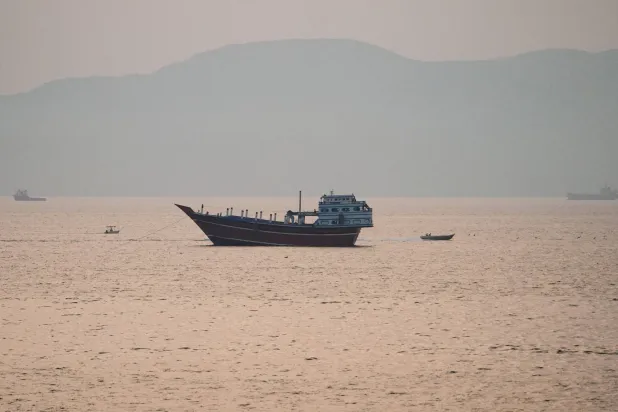
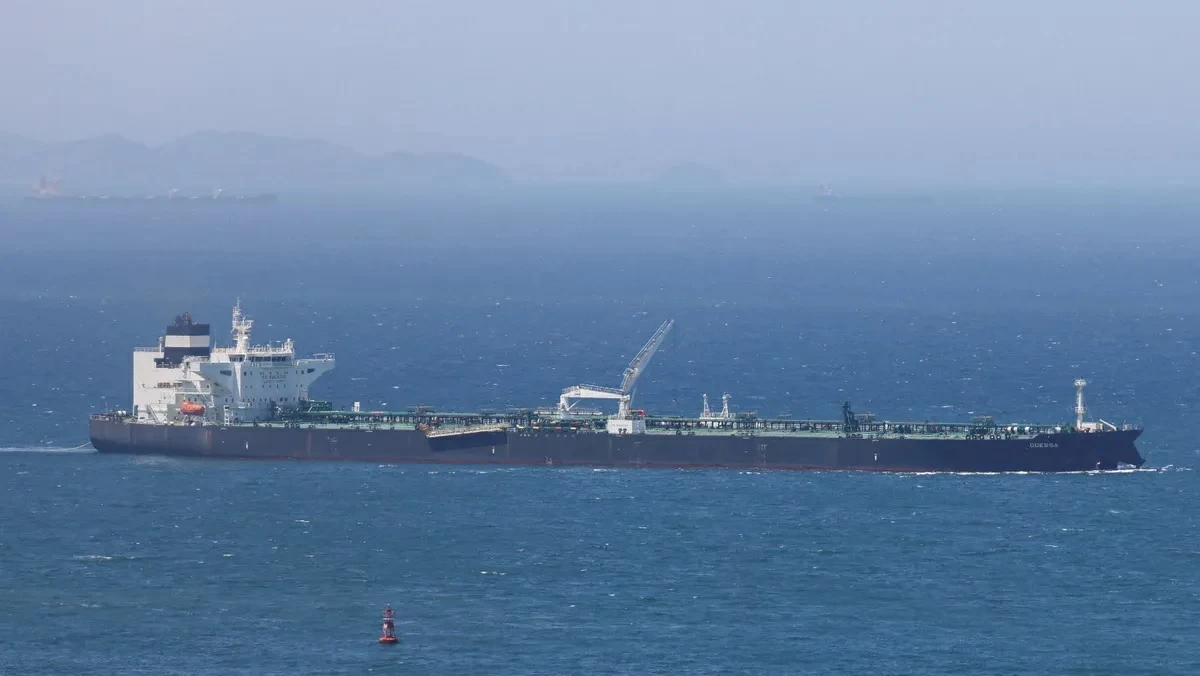
Rubio emphasized opposition to Iranian control over the Strait of Hormuz, warning that allowing a nation to control an international waterway sets a dangerous global precedent.
“If we create a precedent in the Middle East where a nation state can decide that they are going to control an international waterway, charge a toll, and if you don’t pay them blow up your ships, we have created a very dangerous precedent, which will repeat itself in other parts of the world, including in this region,” he said.
“At its core, it’s very simple. Iran demands the right, which they do not have under any existing legal mechanism, to control the transit of traffic through the Strait of Hormuz,” he said.
“There is a fundamental principle about freedom of navigation that is threatened,” he added. “That cannot be allowed to happen.”
Rubio also discussed the US’s relationship with ASEAN member states, saying it is a matter of national interest for Washington and that the security and prosperity of the US and Southeast Asia are closely interconnected.
“I believe very much that the future and the story of the 21st century will be written in this region and by how events unfold here,” he said.
On Tuesday, US President Donald Trump renewed his threats to, again, attack Iran’s nuclear facilities at Natanz “pretty soon”. Iran promised it would retaliate.
Iran’s Khatam Al-Anbiya military command said in a statement on Tuesday that it would “consider it as an expansion of war in the region” if such an attack were carried out. The statement said it could lead to strikes on “all the interests of America, its allies and supporters”.
Fifty people have been killed and 500 wounded in the recent US attacks on Iran, a health ministry official said.
The ongoing conflict threatens two critical energy transit routes, including the Strait of Hormuz, through which a significant portion of the world's oil passes. Rubio's comments also highlighted the interconnection between US and Southeast Asian security, as the region watches for potential disruptions. The US stance signals a firm commitment to freedom of navigation, a principle that could shape future diplomatic and military actions.
Original source: Al Jazeera



Comments (0)
Be the first to comment.