Saudi Roshn League Scheduling: Priority for Television Broadcasting Requirements and Commercial Rights

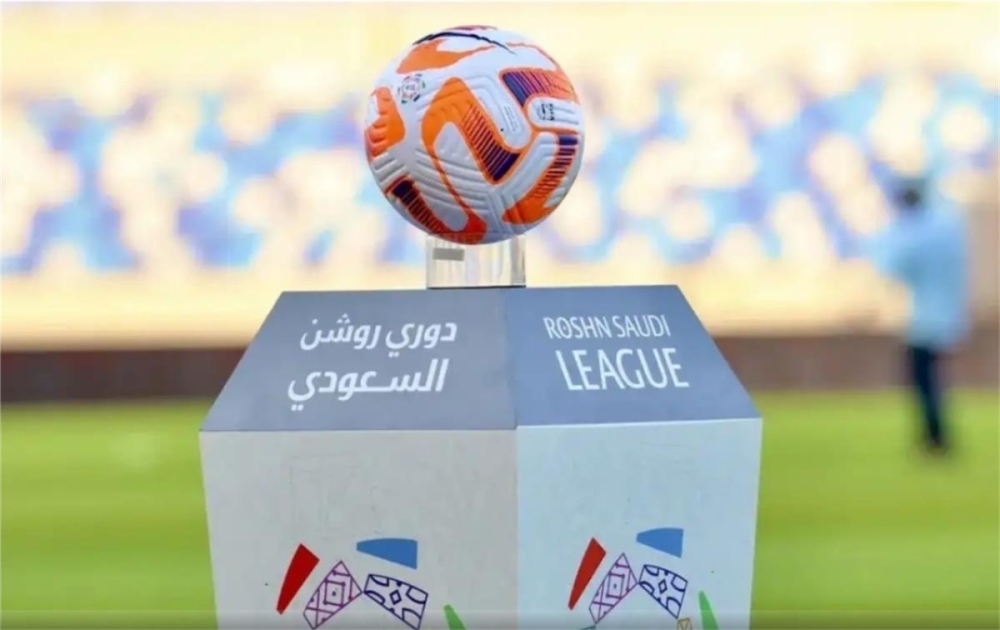
The Saudi Professional League Association has prioritized television broadcast requirements and commercial rights when setting the match schedule for the upcoming Saudi Roshn League season, according to the competition's new regulatory regulations, which Asharq Al-Awsat (Al-Eqtisadiah) reviewed.
The regulations set the start times for weekend matches (Friday and Saturday) across three time slots: early, middle, and late, while limiting weekday matches to only two slots: middle and late, a step aimed at organizing the scheduling to align with broadcast requirements and commercial commitments.
No more than four matches per day
The previous regulations relied on more flexible scheduling for match times without specifying fixed daily broadcast slots, merely stipulating that no more than four matches be held per day.
The regulations included extensive amendments to the commercial and investment aspects of the competition, encompassing updates to the provisions governing marketing and advertising rights, financial compensation, and obligations related to broadcast partners and sponsors.
Regarding compensation, the regulations granted the association the authority to oblige the responsible club to pay compensation for any damages or losses incurred by the association, other clubs, broadcast partners, association partners, or any other affected party, thereby expanding the scope of compensation compared to the previous regulations, which limited it to obliging the club responsible for canceling or postponing a match to compensate the association or affected clubs.
Expanding the concepts of 'advertising rights' and 'empty stadium'
The regulations also expanded the concept of advertising rights, which in the previous version were limited to perimeter boards, digital screens, and printed materials, to now include virtual advertisements and commercial rights related to digital broadcasting via OTT platforms.
The regulations introduced a definition for the 'main sponsor of the competition' and granted it the exclusive right to associate its brand with the official name of the competition according to the commercial rights determined by the association.
Regarding commercial rights inside stadiums, the regulations developed the concept of the 'empty stadium,' which is no longer limited to removing the operator's commercial advertisements inside the stadium before matches, but now extends to banning any visible commercial advertisements within the stadium vicinity and its airspace during match days and official training sessions, thereby preserving the exclusive rights of sponsors and commercial partners.
The regulations also reorganized the financial responsibilities arising from changes to match dates or venues, stipulating that the club causing the change bears its expenses, in addition to the travel, accommodation, and sustenance costs for the other club, match officials, and the association delegation.
If neither club is responsible for the change, each club bears its own expenses related to the match as stipulated in the regulations.
Original source: Aleqtisadiah




Comments (0)
Be the first to comment.