Stealth Bombers and Suicide Drones: Weapons and Technologies Used by America in the War Against Iran

Before the US-Israeli strikes on Iran, the United States amassed the largest military force in the region in more than two decades, including some of its most powerful military systems.
US President Donald Trump had warned that the United States was on 'high alert.' The strikes on Saturday, which resulted in the assassination of Iranian Supreme Leader Ali Khamenei, gave that force a 'destructive target,' according to CNN.
The US Central Command (CENTCOM) announced on Sunday a list of American weapons used so far in military operations against Iran, dubbed 'Epic Fury.'
B-2 Stealth Bombers
These bombers, with bat-like wings and costing over $1 billion each, are the most powerful platform in the US Air Force. Powered by four jet engines, they can carry conventional or nuclear weapons, with intercontinental range and aerial refueling capability.
The bomber is crewed by two people, and B-2s typically operate from Whiteman Air Force Base in Missouri, as happened last year when they struck Iranian nuclear facilities in a 34-hour round-trip mission.
Seven of the 19 B-2s in the fleet took part in that mission, carried out last June, while other aircraft were used as decoys on a flight to Hawaii. At the time, the bombers used the largest US conventional bomb, the 30,000-pound bunker buster, to attack three Iranian nuclear sites.
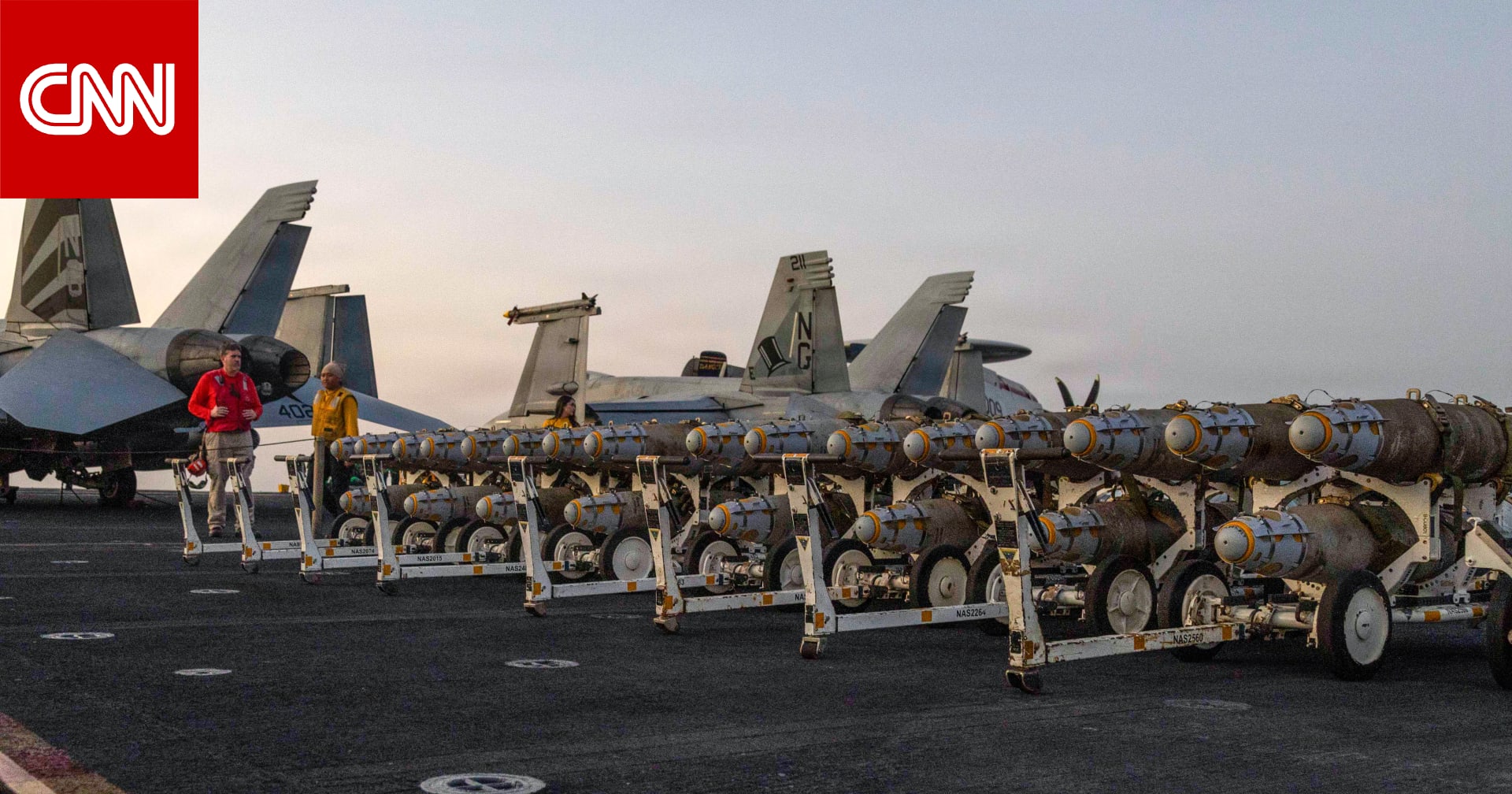
This time, however, 2,000-pound bombs were used to target Iranian ballistic missile facilities, according to CENTCOM.
Lucas Suicide Drones
Operation Epic Fury marks the first combat use of Lucas suicide drones by the United States, according to CENTCOM.
The US Central Command clarified that the unit operating these drones, known as Task Force Scorpion Strike (TFSS), was activated in the Middle East late last year.
CENTCOM said in a statement that 'Task Force Scorpion Strike was designed to quickly provide low-cost and effective drone capabilities to warfighters.'
The Low-Cost Unmanned aerial vehicle Combat Attack System (LUCAS) is essentially a clone of Iran's Shahed-136 drones, which Russia has used extensively in the war in Ukraine.
CENTCOM added in a social media post: 'These low-cost drones, inspired by Iran's Shahed drones, are now being directed as an American response.'
Warships
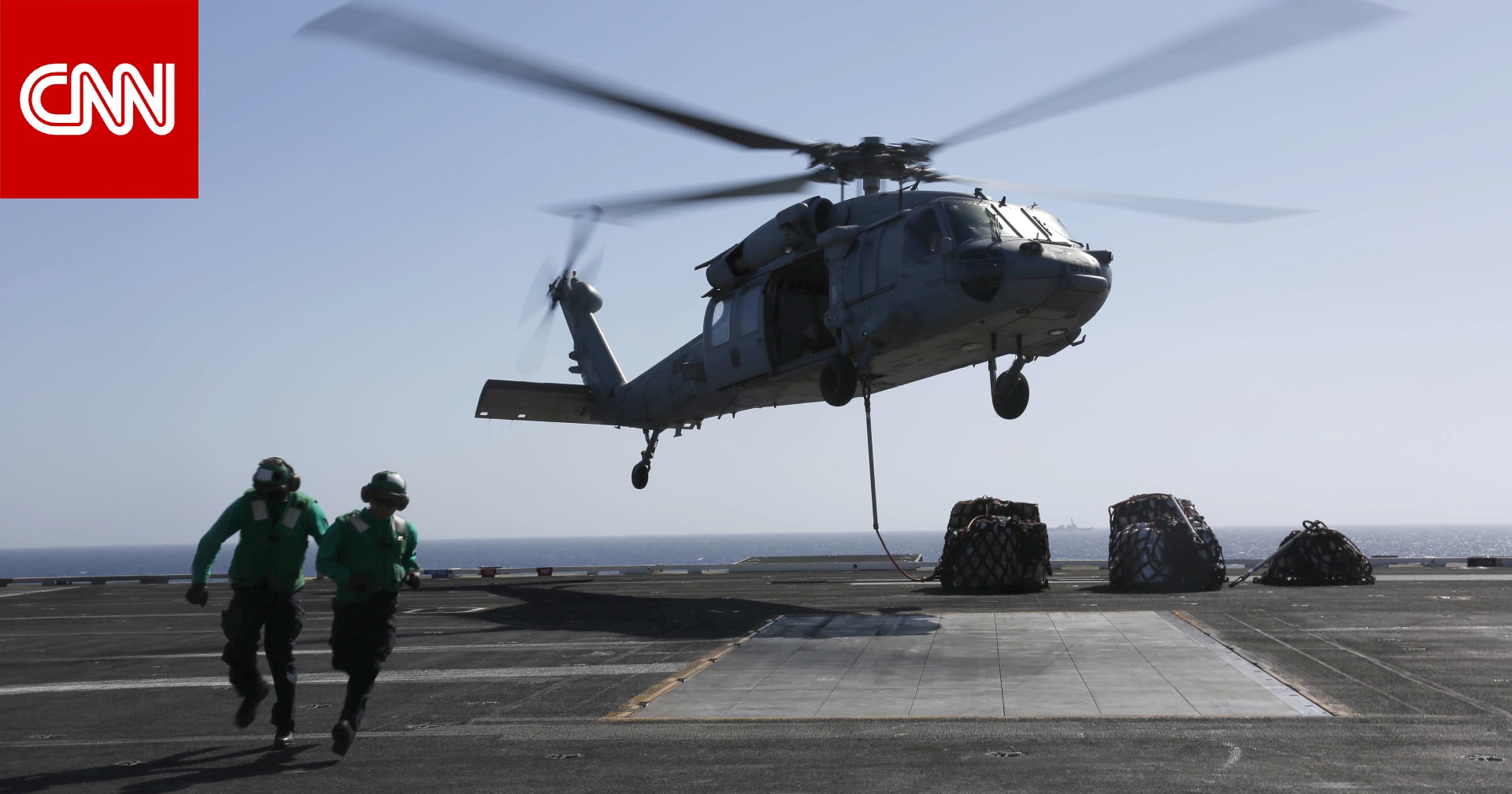
CENTCOM says US aircraft carriers and guided-missile destroyers have taken part in military operations.
The US aircraft carriers USS Abraham Lincoln and USS Gerald R. Ford were in the Middle East when strikes on Iran began, with the first positioned in the Arabian Sea and the second in the Mediterranean Sea off Israel.
CENTCOM released videos showing F/A-18 and F-35 fighters taking off and landing on the Lincoln, while the Ford does not carry F-35s.
Iran claimed it targeted the Lincoln with ballistic missiles, which CENTCOM dismissed as a 'lie' in a social media post.
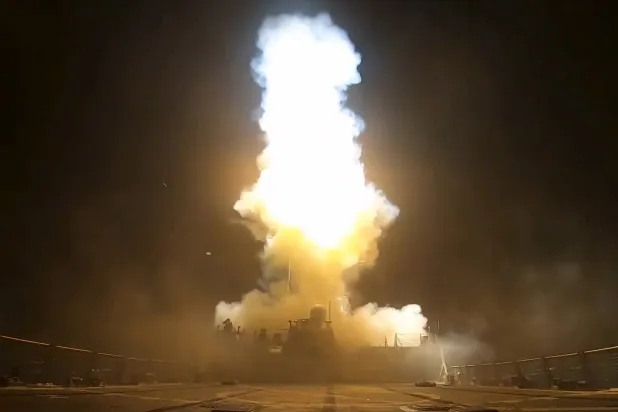
US videos also showed destroyers launching Tomahawk missiles. Arleigh Burke-class destroyers, deployed in numbers in the region, can carry up to 96 Tomahawk missiles.
These destroyers, equipped with AEGIS ballistic missile defense systems, are used to protect the aircraft carriers they typically accompany, as well as land-based assets.
Patriot and THAAD Systems
Patriot air defense systems and Terminal High Altitude Area Defense (THAAD) are used to counter Iranian drones and ballistic missiles. The number of interceptor missiles fired so far is unknown, according to CNN.
However, Iran has sent thousands of drones and missiles to targets across the Middle East, and analysts have expressed concern that interceptor missile stocks could run out, depleted during the 12-day war between Israel and Iran last year, as well as from supplying Ukraine with defense units against Russian attacks, if Iran continues its retaliatory strikes for an extended period.
Fighter Aircraft
CENTCOM reported that a wide range of fighters participated in the first days of the war, including Air Force F-16s, Navy and Marine Corps F/A-18s.
It added that F-22 and F-35 stealth fighters, operated by the Air Force, Navy, and Marine Corps, also participated without disclosing specific missions. The command released videos showing twin-engine F/A-18s and single-engine F-35s operating from an aircraft carrier.
Air Force A-10 attack aircraft were also deployed, according to CENTCOM.
EA-18G Electronic Attack Aircraft
These aircraft, known as the Growler, are based on the F/A-18 and carry jamming pods, countermeasures against communications, and radars to detect and counter hostile electronic threats. The twin-engine aircraft can be armed with missiles that home in on electronic emissions, such as radars and communication centers.
AWACS Airborne Early Warning and Control Aircraft
The US uses two types of these aircraft: the Air Force's E-3 Sentry and the Navy's E-2 Hawkeye.
The Air Force's AWACS aircraft are four-engine planes built on the Boeing 707 commercial airframe, carrying a large rotating radar dome above the fuselage at about 11 feet.
With a range of up to about 250 miles, these aircraft can detect and track enemy aircraft and ships, monitor detailed battlefield information about US forces, and share this data with command centers and ships at sea.
The Navy's Hawkeye, a twin-engine turboprop, performs similar missions while operating from US aircraft carriers.
Airborne Communications Aircraft
CENTCOM did not provide specific details, but Air Force EA-11 BACN aircraft were spotted in the Middle East in the weeks before the strikes.
Manufacturer Bombardier says the EA-11, built on a twin-engine business jet airframe, is often called 'Wi-Fi in the Sky' and is used 'to bridge voice and tactical data communications between air and ground forces, overcoming obstacles such as mountains, rugged terrain, or distance.'
P-8A Maritime Patrol Aircraft
These twin-engine Navy aircraft, named Poseidon, are based on the Boeing 737 commercial airframe and are used for anti-submarine warfare, as well as intelligence, surveillance, and reconnaissance missions.
RC-135 Reconnaissance Aircraft
These aircraft carry a crew of more than 30, including electronic warfare officers, intelligence operators, and in-flight maintenance technicians, and have been a staple of US military operations since the Vietnam War.
Original source: Asharq News

Comments (0)
Be the first to comment.