Tunisia signs loan agreement with Arab Monetary Fund for $312 million
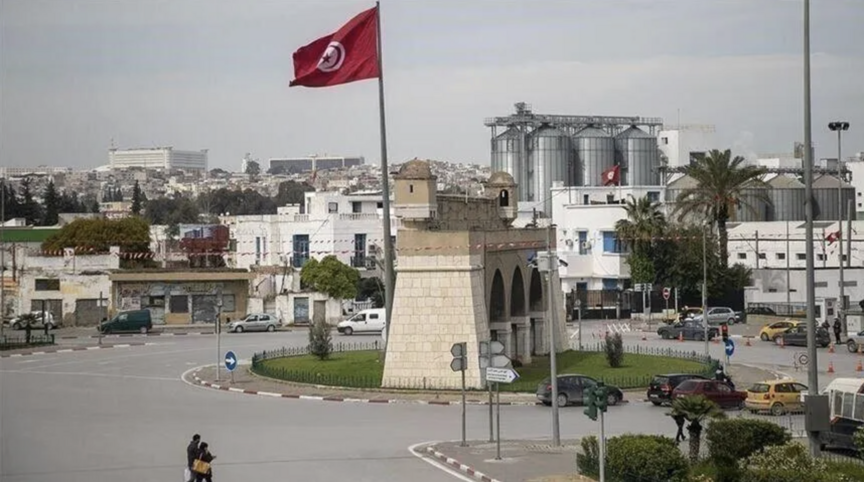
In support of the economic and financial reform program implemented by the Tunisian government, according to the central bank statement.
Tunis/ Adel Al-Thabeti/ Anadolu
Tunisian authorities announced Wednesday the signing of a loan agreement with the Arab Monetary Fund worth $312 million, aimed at supporting economic and financial stability in the country.
The Central Bank of Tunisia said in a statement that Tunisia and the Arab Monetary Fund signed on Tuesday a loan agreement worth 76.7 million Arab Accounting Dinars, equivalent to about $312 million, as part of efforts to enhance economic and financial stability in Tunisia.
The Arab Accounting Dinar is a unit of account used by the Arab Monetary Fund in its loans and financial transactions with member states, and is not a currency in circulation, with its current approximate value at about $4.1.
The Tunisian central bank added that the agreement was signed by its governor Fathi Zouhair Al-Nouri and the Director General of the Arab Monetary Fund Fahd bin Mohammed Al-Turki, without specifying the signing location or the loan repayment period.
It explained that the agreement comes "in support of the economic and financial reform program implemented by the Tunisian government, and as a contribution to covering balance of payments needs, thereby strengthening the resilience of the national economy."
According to the bank, the agreement reflects "the continued fruitful cooperation between Tunisia and the Arab Monetary Fund, and confidence in the path of its economic and financial reforms."
It affirmed "its commitment to continue working, in coordination with national structures and financial partners, to create the best conditions for the success of reform programs and to enhance the robustness of the national economy."
According to official figures, Tunisia's budget deficit is expected to reach about 11 billion dinars in 2026, equivalent to $3.7 billion, or about 3.9% of GDP.
For years, Tunisia has suffered from accumulated economic pressures, exacerbated by the repercussions of the coronavirus pandemic and the ongoing Russian-Ukrainian war since 2022.
The American-Israeli war on Iran, which broke out on February 28 last and lasted until the following April 8, also contributed to increasing global inflationary pressures due to higher costs of importing energy and basic materials.
Original source: Anadolu Agency



Comments (0)
Be the first to comment.