Trump Launches Tariff Strategy with 25% on Brazilian Imports
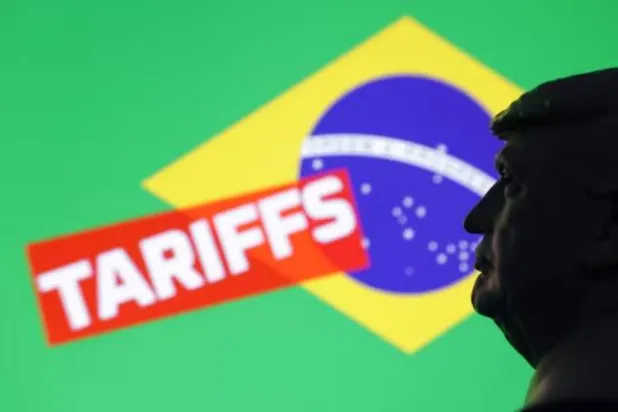
On Wednesday, the Office of the U.S. Trade Representative announced that the United States will impose a 25% tariff on most imports from Brazil starting July 22, in the first action under President Donald Trump's new tariff strategy, which could extend to dozens of countries.
The new program is based on investigations into trade practices that Washington considers unfair, under Section 301 of the U.S. Trade Act, following the U.S. Supreme Court's earlier this year repeal of the cornerstone of the tariff system established by the Trump administration, according to Reuters.
The Office of the U.S. Trade Representative has opened around 80 trade investigations, the results of which could lead to a new wave of tariffs on several countries, including China, the European Union, India, Japan, South Korea, and Mexico.
The decision follows the Trump administration's proposal in June to impose punitive tariffs of 25% on a large number of Brazilian imports, citing what Washington described as unfair trade practices involving digital trade, intellectual property protection, and deforestation.
U.S. Trade Representative Jamieson Greer said in a statement: 'Intensive negotiations with Brazil over the past year have not resolved these issues, but we remain open to continued dialogue to bring about the required changes in the problems identified by the investigation.'
Brazilian President Luiz Inácio Lula da Silva, for his part, rejected the U.S. decision, calling it unjustified, and affirmed that his country will begin procedures to activate the tools stipulated in the 'Reciprocity Law' and will also reconsider the issue within the World Trade Organization's dispute settlement mechanism.
U.S. Secretary of State Marco Rubio, whom Lula had previously accused of being anti-Latin America following the initial tariff announcement in June, blamed the Brazilian government, saying that 'Lula and his government did not negotiate with the United States in good faith.'
Rubio added in a post on the platform 'X': 'Over the past year, Lula prioritized his personal interests over reaching an agreement that serves the interests of the Brazilian people, and these tariffs are the price of that.'
Exemptions and List of Affected Products
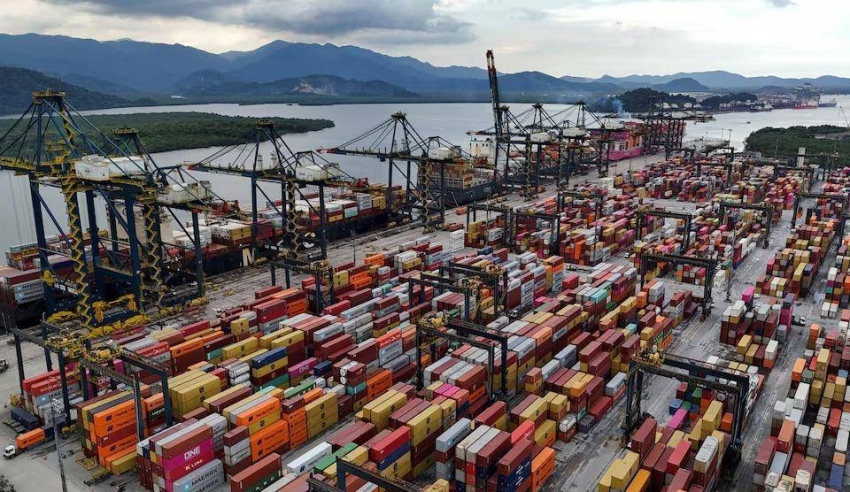
The new tariffs will apply to thousands of Brazilian products, including sugar, agricultural machinery, clothing, electrical equipment, paper, and steel.
In contrast, a group of products will be exempt from tariffs, most notably beef, coffee, rare earth elements, energy products, aircraft, and their spare parts.
On Wednesday, the United States also added organic honey, cast iron, unflavored instant coffee, and a number of other products to the exemption list.
The U.S. investigation, which began last July, found a number of practices that Washington considers unfair, including illegal deforestation and the Brazilian electronic payment system 'Pix,' which the United States says harms credit card companies.
Brazil has strongly denied these allegations.
Possible Additional Tariffs
Brazil is also subject to a separate Section 301 investigation regarding its alleged links to forced labor in global supply chains, which is expected to be completed on July 24.
This investigation could result in an additional 12.5% tariff, potentially raising the total tariffs on some Brazilian products to 37.5%.
Original source: Asharq Al-Awsat
Comments (0)
Be the first to comment.