UN warns of malnutrition and explosive remnants in Sudan
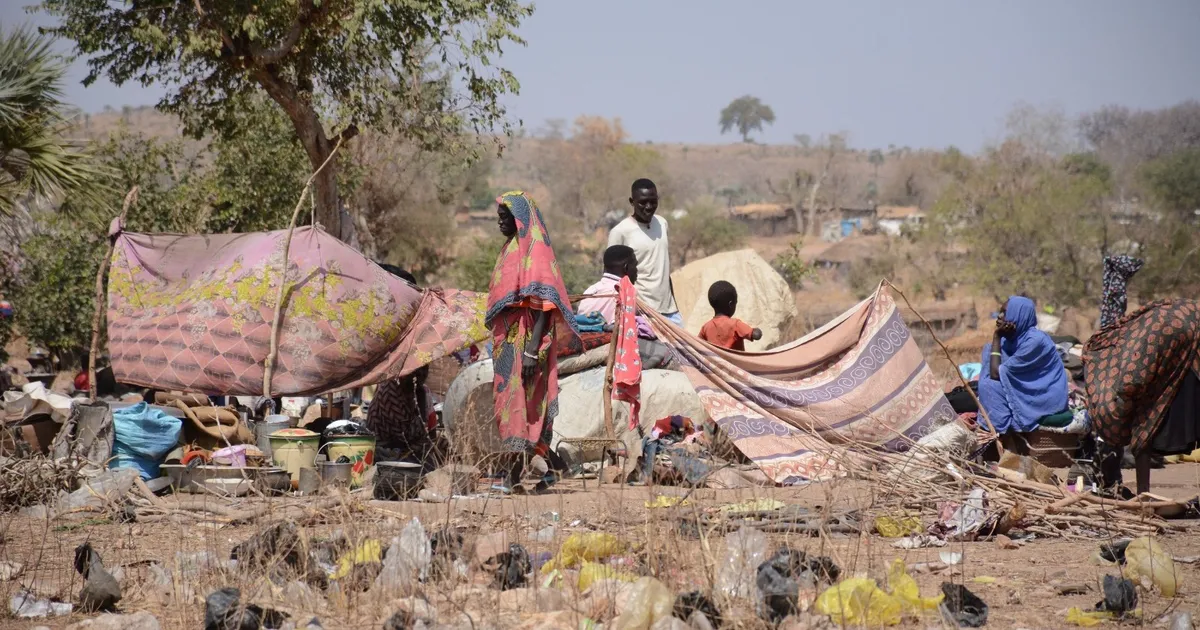
The United Nations warns that 825,000 children under five may suffer acute malnutrition in 2026, while explosive remnants threaten over 4 million returnees. Violence and supply disruptions worsen the crisis.
The United Nations has warned of growing risks facing civilians in Sudan, with 825,000 children under five expected to suffer from "acute malnutrition" during 2026, while explosive remnants threaten more than 4 million people who have returned to conflict-affected areas, amid escalating violence and disrupted supply routes.
The UN Office for the Coordination of Humanitarian Affairs (OCHA), in a report covering May and June 2026, said that drone strikes have intensified since early June in and around the city of El Obeid in North Kordofan State, leading to a deterioration of the security situation and a rise in civilian casualties, including humanitarian workers.
The attacks caused widespread damage to homes, schools, health facilities, fuel stations, displacement sites, and electricity infrastructure, while humanitarian partners reported severe shortages of fuel, safe drinking water, and essential goods.
The conflict in Sudan erupted in April 2023 between the army and the Rapid Support Forces, and the region has seen rapid security developments affecting civilian movement and humanitarian access, as fighting continues.
Hundreds of thousands in danger: The report said the escalation exposes hundreds of thousands of civilians in El Obeid to direct danger, including more than 100,000 displaced people living in and around the city, while the number of people in need of assistance in the Sheikan locality, which includes El Obeid, is estimated at about 800,000.
El Obeid is a major hub for humanitarian operations and logistics in North and South Kordofan states. The UN warned that disruption of roads to and from the city would restrict the delivery of aid to areas suffering extremely difficult humanitarian conditions.
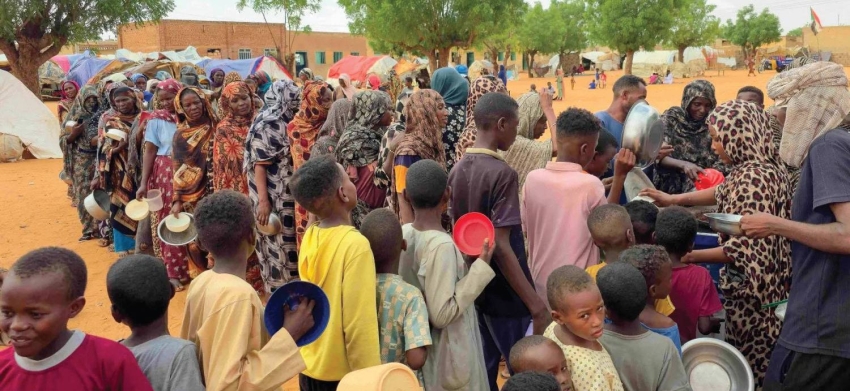
19.5 million facing hunger: The UN said that 19.5 million people in Sudan, or 2 out of every 5, are experiencing crisis or worse levels of acute food insecurity, warning of worsening conditions during the lean season.
It noted that disruption of transport routes and high fuel prices are increasing the cost of food, water, and agricultural inputs, while shipping delays are hampering the arrival of medicines, vaccines, and humanitarian aid to the most vulnerable communities.
Children face a particularly severe aspect of the crisis, with an estimated 825,000 children under five expected to suffer from severe acute malnutrition during 2026, putting them at risk of death unless they receive timely treatment.
The report highlighted that children in conflict-affected areas, especially parts of North Darfur and Kordofan, remain deprived of basic services and aid, facing acute shortages of food, safe water, and healthcare, along with risks of displacement and separation from their families.
War remnants threaten civilians: The report said that more than 4 million people have returned to conflict-affected areas since the war began in 2023, warning that many are returning to neighborhoods littered with unexploded bombs, artillery shells, rockets, and landmines.
Explosive remnants are widespread in Khartoum after more than a year of fighting in its neighborhoods, while survey and clearance teams have so far been able to secure and make safe for use less than 1% of the capital's area.
The UN predicted that Al Jazirah and Sennar states will face similar levels of risk from these remnants, as they are witnessing large numbers of returnees.
The UN recorded at least 27 incidents related to explosive remnants during 2026, resulting in 86 casualties, including 30 deaths and 56 injuries, with children accounting for half of the recorded casualties.
In contrast, mine action partners during 2026 removed more than 22,000 items of explosive remnants, including anti-personnel and anti-tank mines, and made more than 6 million square meters of land safe for use, an area equivalent to about 841 football pitches.
The clearance of Khartoum airport and UN Humanitarian Air Service facilities enabled the resumption of humanitarian flights to the capital, improving access and speeding up aid delivery.
Original source: Asharq News



Comments (0)
Be the first to comment.