US eyes new tariffs as existing trade duties near expiration

US Trade Rep Jamieson Greer hints at new tariffs on 60 trading partners as Trump's temporary tariffs expire on Friday.
This article was originally published on 21 Jul 202621 Jul 2026.
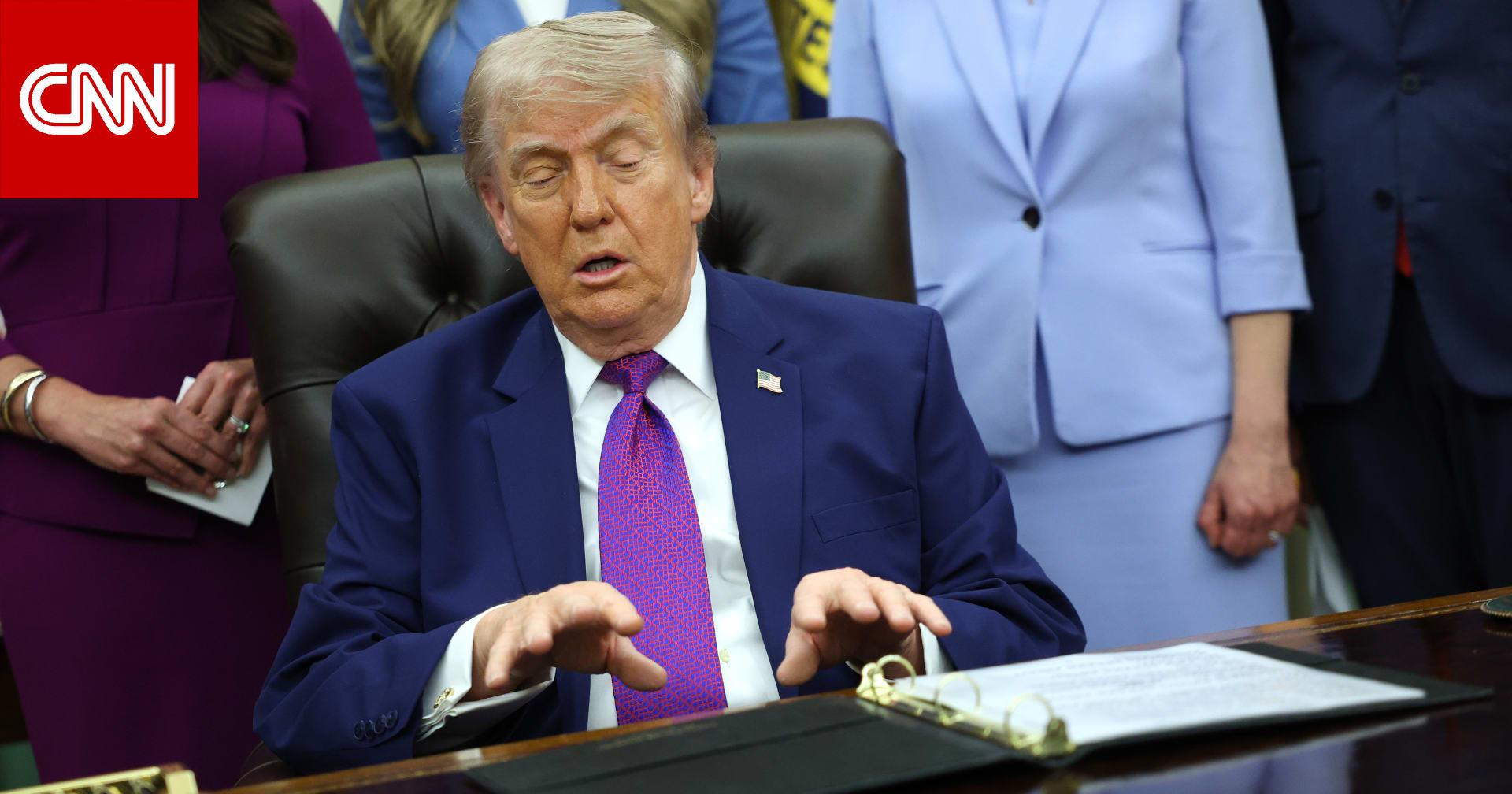
The potential tariffs represent the latest move in President Trump's ongoing trade disputes, which have frequently relied on executive authority.
Jamieson Greer, the US Trade Representative, indicated that a fresh set of tariffs may be imminent as the latest global duties imposed by President Donald Trump are scheduled to lapse on Friday unless Congress intervenes.
“We expect to see some action soon,” Greer said on CNBC’s Squawk Box programme when asked if a new wave of tariffs could hit 60 different trading partners.
Recommended Stories
list of 4 items
- list 1 of 4Yemeni women support families through enterprise as economic crisis bites
- list 2 of 4Trump imposes 50% US tariffs on some Canadian goods, citing discrimination
- list 3 of 4Iran war: Look beyond stocks to understand state of economy, experts say
- list 4 of 4What does a heatwave cost?
end of list
In February, the White House imposed tariffs under Section 122 of the US Trade Act of 1974, which allows the president to levy tariffs of up to 10 percent for 150 days without congressional approval.
Those tariffs were imposed after the Supreme Court struck down Trump’s use of the International Emergency Economic Powers Act (IEEPA) to impose his sweeping global tariffs, ruling that the president lacked the authority to do so.
The White House has prepared a new round of levies targeting countries over a range of allegations, including the failure to address forced labour.
Greer stated in the interview that action is expected soon but did not provide a specific timeline, emphasizing that the new duties could encompass the majority of US trade, thereby heightening tensions with partners such as China, Japan, and the European Union.
The announcement follows a new round of tariffs unveiled last week on Brazilian goods. The White House announced 25 percent duties on thousands of imports from the South American nation, ranging from sugar to steel.
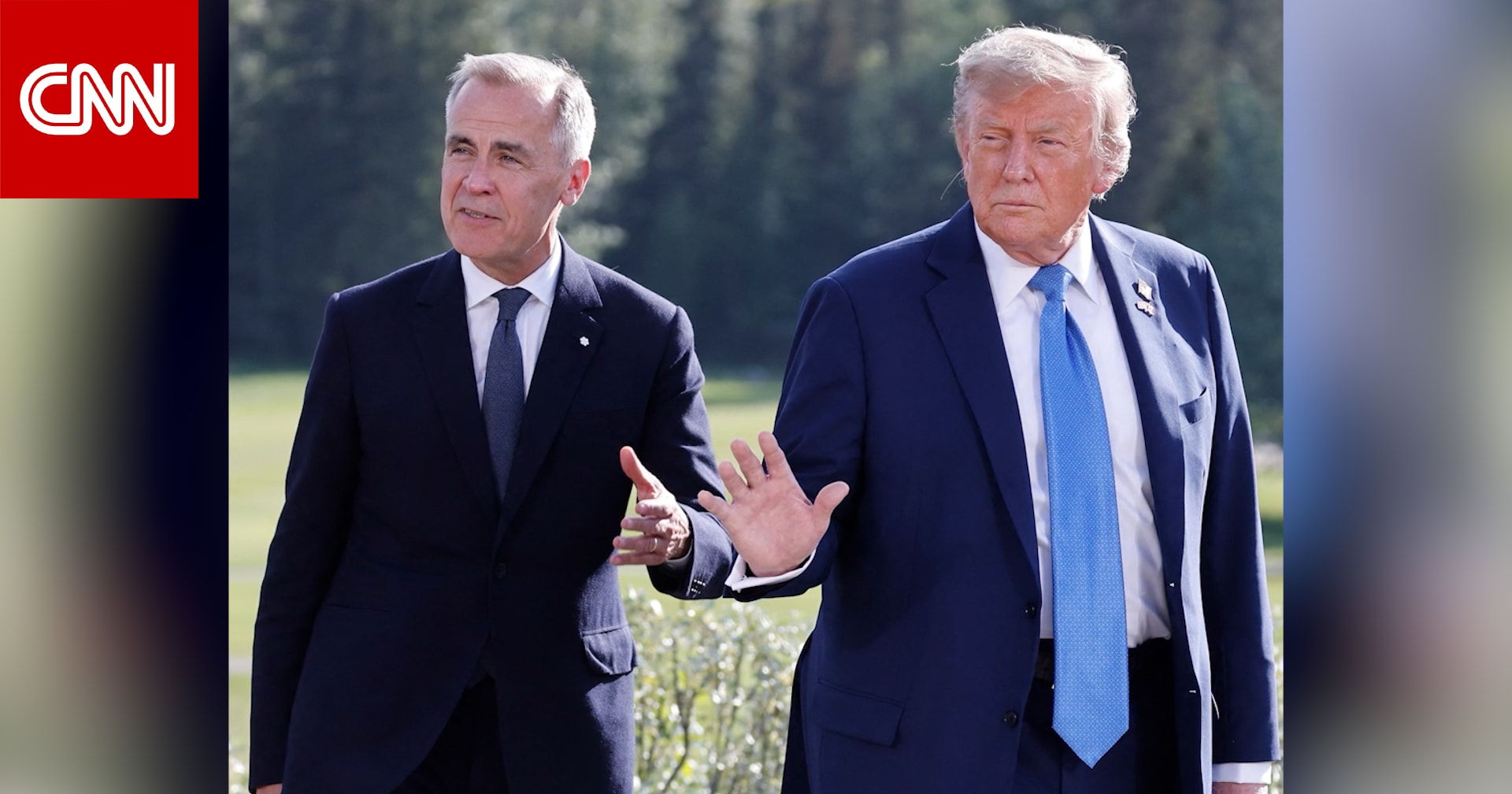
Then on Monday, the White House announced a new 50 percent tariff on goods ranging from wine to cement, which will take effect in 30 days, alleging that Ottawa has subjected US products, including automobiles and dairy goods, to “discriminatory treatment”.
“President Trump is taking action to hold Canada accountable for its continued discrimination against and unreasonable and unequal treatment of US commerce that has burdened and disadvantaged hardworking Americans,” the White House said in a release on the heels of the announcement.
However, it is US consumers and businesses that bear most of the cost of Trump’s tariffs. Analysis by the Kiel Institute for the World Economy found that US importers and consumers shoulder 96 percent of the burden, while the nonpartisan Tax Foundation estimates that the tariffs will increase the average tax burden on US households by about $700.
US markets are in positive territory. The Nasdaq is up 0.8 percent, the Dow Jones Industrial Average is up by 0.6 percent, and the S&P 500 rose by 0.5 percent in midday trading.
The new tariffs would be imposed under Section 122 of the Trade Act of 1974, a provision that allows the president to levy duties without congressional approval for up to 150 days. This approach was adopted after the Supreme Court struck down the use of the International Emergency Economic Powers Act (IEEPA) for sweeping tariffs. The escalating trade measures risk further straining relations with key allies and could increase costs for US businesses and consumers.
Original source: Al Jazeera


Comments (0)
Be the first to comment.