Warsh heads to Congress for first test of Fed's independence from Trump's pressures
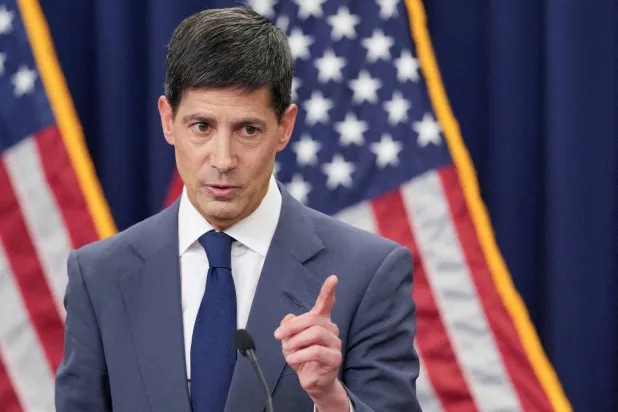
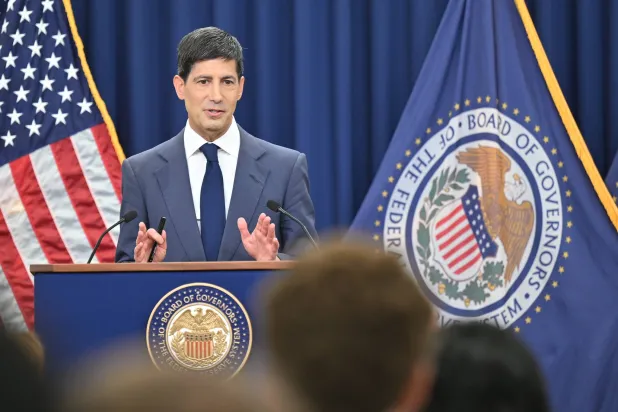
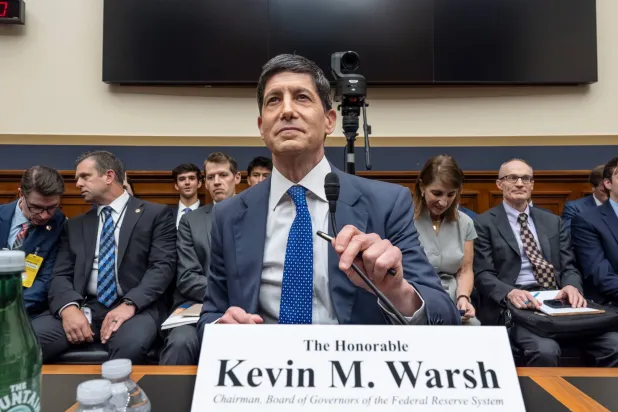
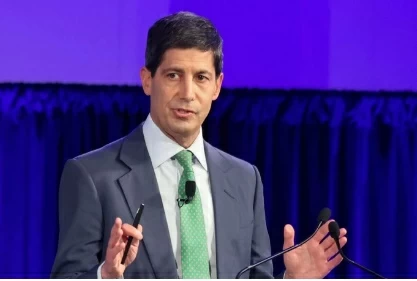
US Federal Reserve Chairman Kevin Warsh heads to Congress on Tuesday to testify before lawmakers, in an early test of his path in leading the central bank, amid anticipation over his ability to maintain the independence of monetary policy under continued political pressure from President Donald Trump to move toward lowering interest rates.
Warsh will appear before the House Financial Services Committee on Tuesday, before appearing before the Senate Banking Committee on Wednesday, where he is expected to present his vision for the economy and the path of monetary policy, as well as his plans to manage internal reviews addressing key issues concerning the Fed and the US economy, according to Reuters.
Warsh assumed the presidency of the central bank amid widespread praise from Trump during his inauguration ceremony in May, when the president described him as the right person to lead the Fed, calling on him to 'go and deliver results.' However, Warsh's first steps since taking office indicated a more independent direction than some critics had feared, with no clear signs of his alignment with Trump's agenda calling for lower interest rates.
Analysts believe that Warsh's ability to maintain the president's confidence while managing monetary policy independently will be a decisive factor in an economic phase characterized by a high degree of uncertainty, especially with the ongoing debate over inflation, the effects of investment in artificial intelligence, and the path of interest rates.
John Faust, former adviser to previous Fed Chairman Jerome Powell and professor of economics at Johns Hopkins University, said that fears that Warsh might be merely a 'tool in the president's hands' have receded after his first press conference following the decision to hold interest rates steady; his statements seemed closer to supporting the continuation of current policy rather than a rapid shift toward monetary easing.
He added that Warsh's recent appointments to Fed working groups reinforced this impression, after he selected a group of economists, executives, and central bankers known for their expertise, rather than ideological or partisan figures.
No clear signals of an imminent rate cut
Although Trump announced during the selection process for the Fed chair that he wanted someone to ensure lower interest rates, Warsh has so far given no clear signals that this step is imminent.
Samuel Tombs, chief US economist at Pantheon Macroeconomics, said that Warsh may have gained the president's support by sending signals leaning toward an accommodative policy, but after taking office he now has more room to make decisions based on independent economic assessment.
He added that Powell's experience showed the limits of political interference on the work of the Fed chair, noting that Warsh knows his legacy and future reappointment may depend on his ability to maintain the central bank's independence.
In the monetary policy report that the Fed submitted to Congress last week, the bank indicated that investment related to artificial intelligence is contributing to raising some prices, after Warsh had previously expressed optimism that this technology could boost productivity and lower inflation in the long term.
Warsh also acknowledged that the timing of realizing the gains associated with AI on the supply and productivity side remains uncertain, while its current effects are more evident through increased demand for capital, skilled labor, and infrastructure.
Appointments far from the pro-Trump current
Warsh's first appointments indicate no clear trend toward enhancing the influence of Trump's inner circle or the 'Make America Great Again' movement.
Warsh brought in a number of advisers and economic experts, including Paul Winfrey, who previously contributed to drafting a chapter of the controversial 'Project 2025' document, before later distancing himself from some of the proposals contained therein.
He also appointed Daniel Heil, a conservative public policy analyst, as interim policy adviser, and chose John McConnell as his speechwriter, a Republican who previously worked with the administration of former President George W. Bush and Vice President Dick Cheney.
From within the Fed, Warsh brought in seasoned economists, including Daniel Covitz and Eric Engstrom, in a move reflecting his focus on technical expertise in managing the institution.
Testing the relationship with the White House
Despite the quiet start, Warsh's relationship with Trump may face difficult tests in the coming months, especially if inflation remains high or calls within the Fed to raise interest rates escalate.
Warsh may also find himself facing additional challenges if the Trump administration continues its attempts to remove Democratic members of the Federal Reserve Board; this could put him in a position of either defending the institution's independence or entering a confrontation with the White House.
Loretta Mester, former president of the Federal Reserve Bank of Cleveland, said that Trump stated during Warsh's inauguration ceremony that he wanted him to be 'completely independent,' adding that the extent of the continuation of this approach remains unclear.
She added: 'So far, things are going well,' considering that the formation of the new Fed working groups represents a promising step.
Original source: Asharq Al-Awsat
Comments (0)
Be the first to comment.