Warsh stresses independence of the Federal Reserve against any pressures from Trump
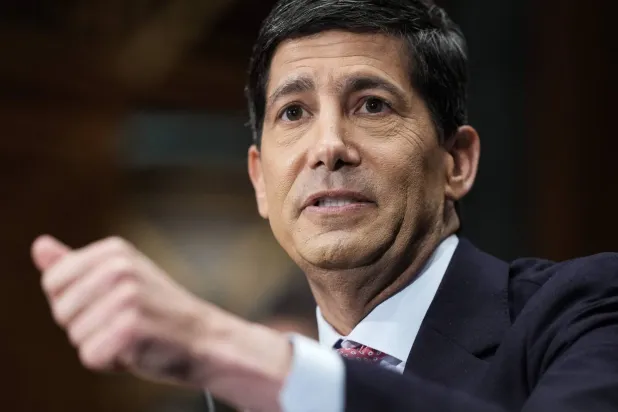
US Federal Reserve Chairman Kevin Warsh emphasized the complete independence of the central bank in the face of any anticipated political pressures from President Donald Trump...
German Chancellor Friedrich Merz confirmed on Wednesday that he does not oppose Chinese automakers taking over struggling German car plants, but warned that this cannot solve the sector's long-term problems, according to AFP.
The automotive sector, which is extremely important for Germany, is suffering from problems including declining demand in Europe, US tariffs, and Chinese competition. Employment in the sector has declined, while some companies face union protests.
Volkswagen Group decided to cut tens of thousands of jobs, and its CEO Oliver Blume informed employees on Monday of the potential elimination of up to 50,000 additional jobs, which could bring the total number of cut jobs worldwide to 100,000.
'Emergency solution'
As many car plants in Germany operate below capacity, some have noted that rapidly growing Chinese automakers could use some German production lines or fully acquire them.
Chinese electric vehicle manufacturers, such as BYD, are seeking production sites as they expand in Europe.
When asked about the possibility of Chinese companies taking over German plants, Merz replied that 'each company must decide for itself' on the matter.
He added during a press conference in Berlin: 'I see it as an emergency solution, not a solution to our structural problems.'
German automakers have long complained about high costs and bureaucracy, while critics point out that companies need to restructure and improve their management.
Blume, who informed employees that four plants may need to be closed, said in April that he is open to the possibility of Volkswagen's Chinese partners using the company's factories.
But the group has since sought to curb speculation about imminent deals.
Negative effects
Other European automakers are forming partnerships with Chinese companies.
Stellantis, owner of the Jeep and Fiat brands, announced in May the establishment of a joint venture with China's Dongfeng to share manufacturing, sales, and engineering operations in the continent.
Merz also criticized China, saying it keeps its currency, the yuan, at an unfairly low level, making its exports cheaper and more competitive in foreign markets.
He said: 'From a European perspective, I cannot accept that in the long term we have to compete with a partner that has devalued its currency by 25 to 30 percent.'
He added: 'We can do whatever we want here, but if this situation is not corrected, we will always feel the negative effects, especially through very high imports and subsidized products.'
The trade deficit between Germany and China has increased in recent years as exports declined, while imports rose steadily, affecting sectors such as machinery, chemicals, and automotive.
Original source: Asharq Al-Awsat


Comments (0)
Be the first to comment.