What Does Syria's Removal from the List of State Sponsors of Terrorism Mean?
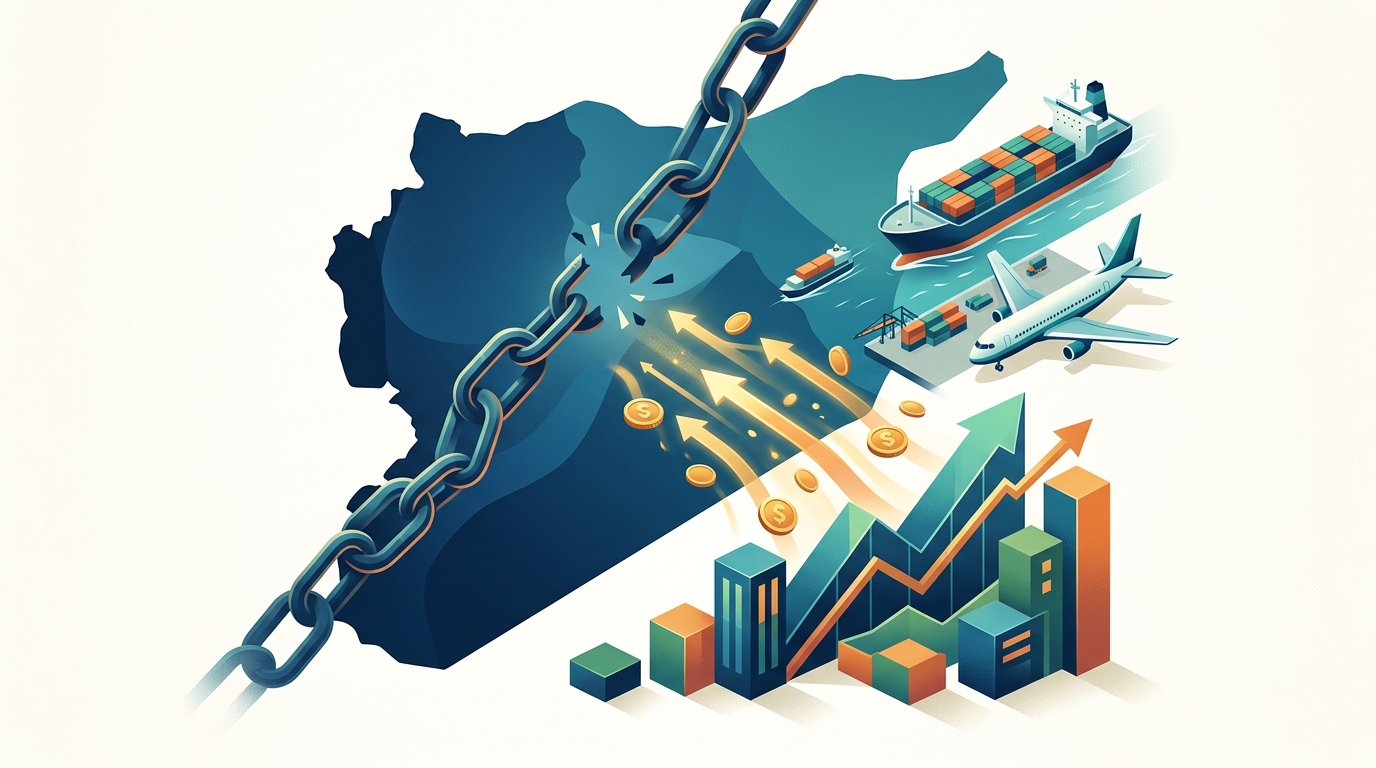
President Trump announces intention to remove Syria from US list of state sponsors of terrorism, a move that could end decades of isolation and open the door to investment and reconstruction. The decision follows a review citing positive changes by the Syrian government. Congress informed, 45-day review period ahead.
In a move representing a major shift in US policy toward Damascus, US President Donald Trump announced his intention to remove Syria from the list of state sponsors of terrorism, a step that could pave the way for Syria's return to the global financial system and attract wide-ranging investments after decades of isolation.
Trump's announcement came as Washington is reviewing Syria's designation as a "state sponsor of terrorism," a classification that imposes restrictions on US foreign aid, defense exports, and certain financial transactions.
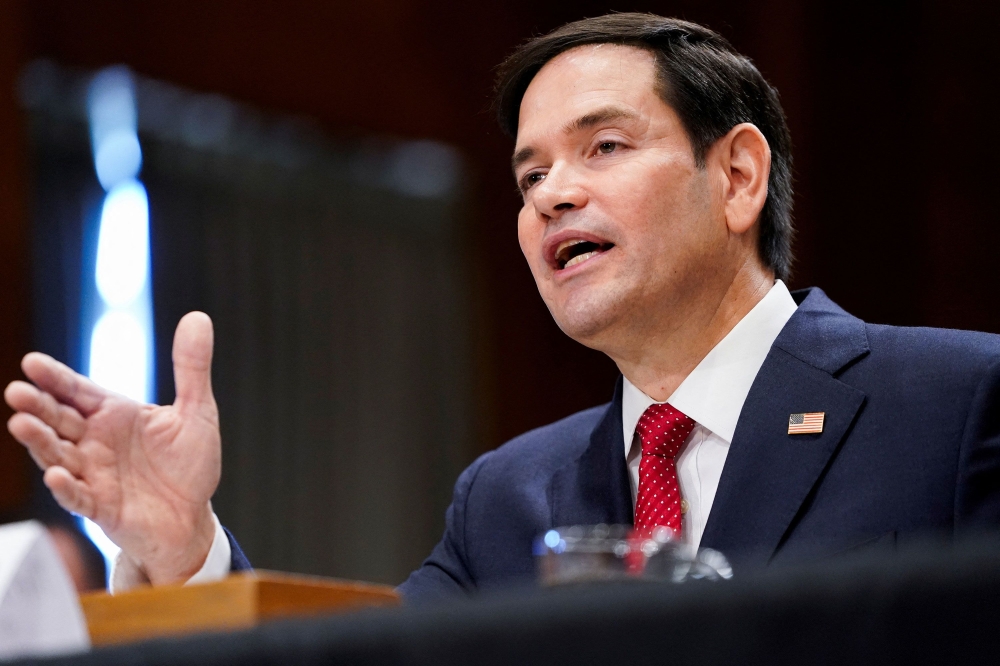
US Secretary of State Marco Rubio announced that Trump informed Congress on Wednesday of the administration's intention to revoke Syria's designation as a "state sponsor of terrorism" after a 45-day review period, the duration required by US law before implementing the decision.
Rubio explained that the decision is based on an executive order Trump issued last year calling for a review of this designation, citing "the positive changes and counterterrorism measures taken by the Syrian government under President Ahmad al-Shara, as well as the official commitments it made that Syria will not support acts of international terrorism in the future."
Although Congress can theoretically block the decision, the move is not expected to face significant opposition, according to US media.
A long history on the US terror list
Syria was placed on the list of state sponsors of terrorism in 1979 during the rule of former President Hafez al-Assad and remained on it under his son Bashar al-Assad. The initial reason for its inclusion was its support for the Palestine Liberation Organization and the Popular Front for the Liberation of Palestine. The list also includes Iran, Cuba, and North Korea.
Over the years, the US State Department cited additional reasons for keeping Syria on the list, including its close ties to Hezbollah, allowing the Palestinian movements Hamas and Islamic Jihad to exist and operate freely within the country, its relations with Iran's Revolutionary Guard, and its support at various times for foreign fighters heading to the region.
The cost of rebuilding Syria is estimated at about $216 billion, roughly ten times the country's GDP in 2024.
World Bank
US law grants the secretary of state broad authority to determine which countries should be on the list, requiring only that a state has "repeatedly provided support for acts of international terrorism," according to State Department designations.
The United States tightened sanctions on Syria in 2004 and then imposed a new package of sanctions in 2011 following the outbreak of the Syrian civil war, which contributed to largely isolating Syrians from the global economy.
What does that mean for Syria?
Trump's commitment to removing Syria from the list of state sponsors of terrorism paves the way for eliminating one of the last obstacles preventing the country from fully integrating into the global financial system.
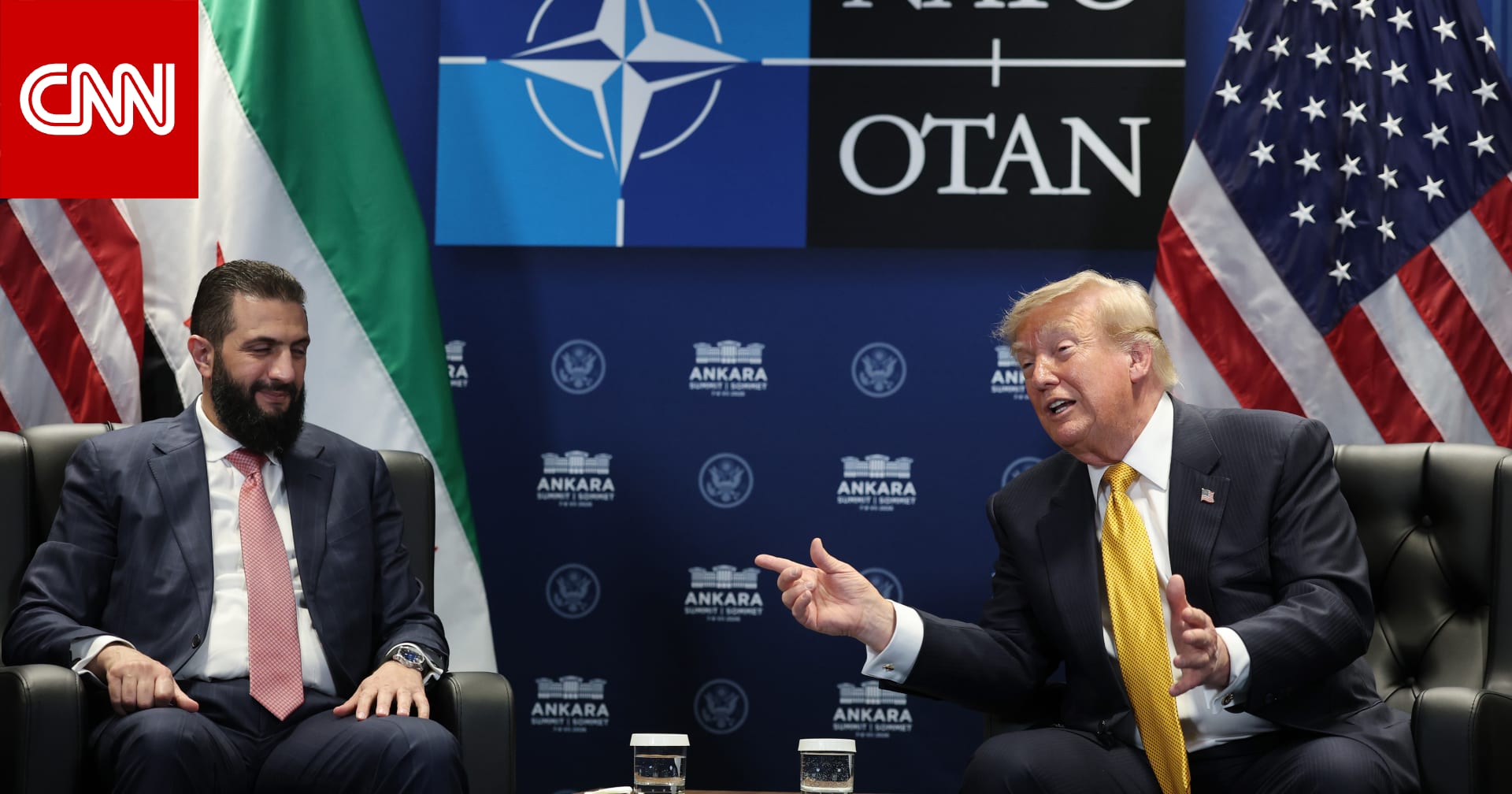
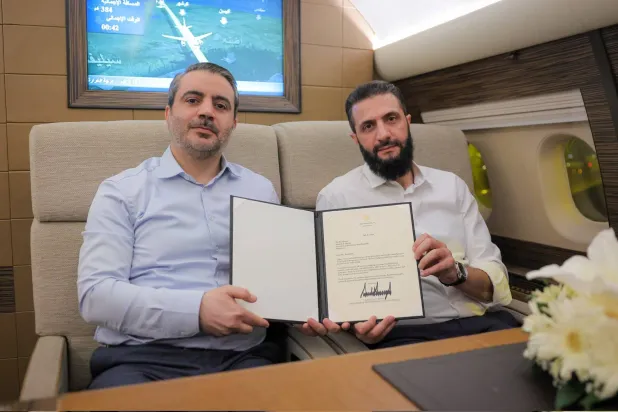
Since the first meeting between Trump and al-Shara in May 2025, Trump has made clear that he sees the need to give Syria a chance to succeed and that the heavy sanctions imposed on it will affect its ability to do so.
In an executive order issued last June, Trump directed Secretary of State Marco Rubio to review Syria's inclusion on the list, stating that before its removal, Syria must demonstrate progress in: addressing the foreign terrorist threat; deporting militants; banning armed groups classified as terrorist; helping Washington prevent the return of ISIS; and taking responsibility for detention centers for ISIS members in northeastern Syria.
Lifting this designation would open the door to wide-ranging investments in oil, banking, technology, and real estate, potentially bringing about a major economic transformation in Syria and contributing to overall stability in the country.
According to the World Bank, the cost of rebuilding Syria will be about $216 billion, roughly ten times Syria's GDP in 2024, reflecting the scale of the challenge and the immense need for international support.
Financial institutions, including banks in allied countries, remain hesitant to process financial transfers related to Syria or finance US and allied companies wanting to invest there, due to the significant risks associated with dealing with a country on the list of state sponsors of terrorism.
Syrian Finance Minister Mohammad Yasser Barnieh considered Trump's announcement a historic moment heralding a new era of prosperity, growth, and opportunities for the Syrian people. Barnieh explained that this step opens a new chapter for the Syrian economy, paving the way for boosting investment, accelerating economic recovery, and reintegrating Syria into the global economy.
What is Congress's position?
A number of lawmakers from both Republican and Democratic parties expressed optimism, with three representatives sending a letter to Trump last week urging the removal of Syria from the list, while stressing that al-Shara's government must continue to fulfill its commitments, particularly regarding the representation of women and minorities and ensuring stability and security in the country.
US lawmakers from both Democratic and Republican parties affirmed that US financial institutions have made clear that Syria's continued presence on this list represents the "main remaining obstacle" to connecting it to the global financial system, which is necessary to facilitate private sector investments and leverage billions of dollars pledged by donors to support economic recovery.
The letter, signed by Democratic Senator Jeanne Shaheen, ranking member of the Senate Foreign Relations Committee, Democratic Senator Elizabeth Warren, and Republican Representative Joe Wilson, said: "Syria's designation as a state sponsor of terrorism represents the most significant remaining legal barrier to its reconstruction. Lifting this designation could open new opportunities for foreign investment, economic development, and capacity building, ensuring that Syrians remain capable and willing partners in cooperation with the United States."
What is Damascus's position?
Syrian Central Bank Governor Safwat Ruslan welcomed the announcement, saying it would create broader opportunities for investment, support economic recovery, and help reintegrate Syria into the global economy.
He added on X: "It is a beginning that opens broader horizons for investment, economic recovery, and Syria's reintegration into the global economy. We at the Central Bank of Syria will continue to work on consolidating stability, enhancing confidence, and building a modern financial sector that serves Syria's future."
Two paths to removing Syria from the list
The US decision presents Syria with two legal paths, both of which have been used several times before.
The first path involves the US president certifying to Congress that the concerned government has not supported international terrorism during the previous six months, along with the United States receiving official commitments from that government that it will not resume support for terrorism in the future. After notifying Congress, the country's name can be officially removed from the list after 45 days.
The second path is based on the president certifying that a "fundamental change" has occurred in the government, such that it is no longer engaged in any terrorist activity, with the government also providing assurances that it will not engage in terrorism in the future.
Original source: Asharq News

Comments (0)
Be the first to comment.