WHO warns of worsening cholera in Sudan due to war and rains
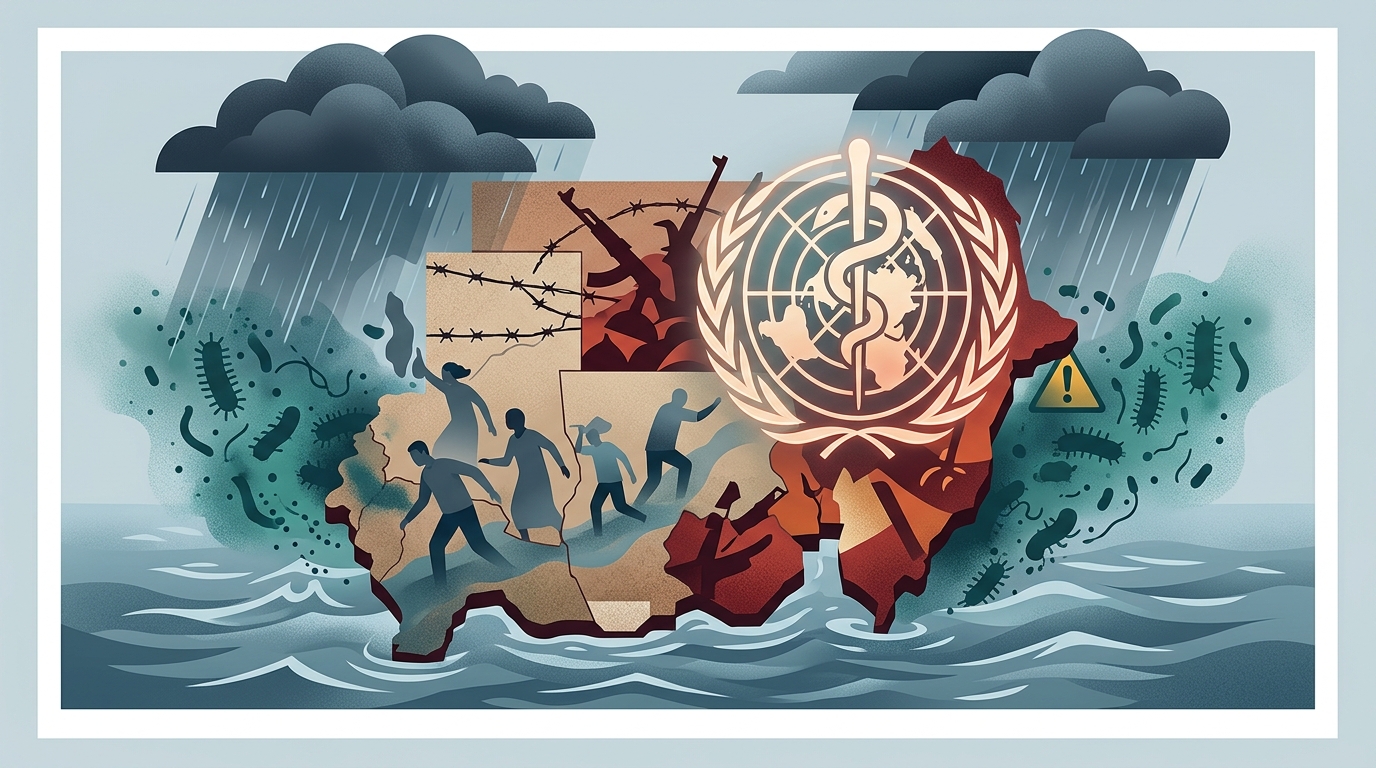
The World Health Organization warned Friday of a worsening cholera outbreak in Sudan and the escalating humanitarian crisis due to the threat of war, displacement, and the start of the rainy season.
The organization said that cholera, declared an outbreak on June 27, has killed at least 114 people and infected more than 1,300 others, spreading across several states in Sudan, especially in Darfur and Kordofan, where access for relief and healthcare workers remains severely restricted.
The WHO representative in Sudan, Shibl Sahbani, told journalists in Geneva via a video link from Libya, 'The cholera is back.'
He added: 'The case fatality rate is 13.7%, which is extremely high, and of course the rainy season is expected to worsen the situation.'
Cholera is a rapidly spreading disease that causes diarrhea and can lead to death if sewage and drinking water are not adequately treated.
The organization stated that Sudan is facing the largest humanitarian crisis in the world, with more than 33 million people in need of assistance and 21 million in need of health services.
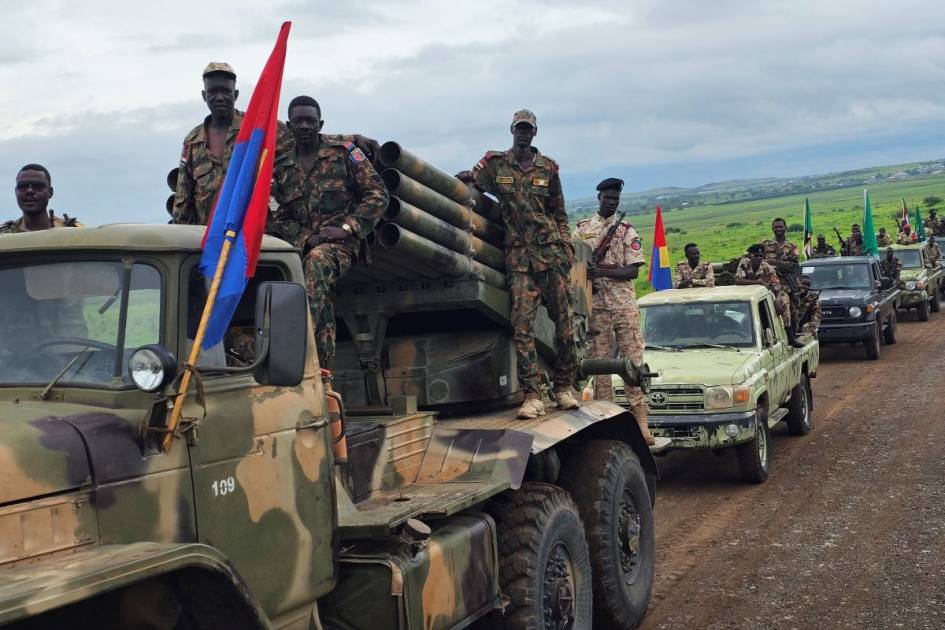
Sahbani expressed grave concern about the situation in the besieged city of El-Obeid, the capital of North Kordofan State, where health facilities are under immense pressure and it is difficult to deliver humanitarian aid amid intensifying fighting between the Sudanese army and the paramilitary Rapid Support Forces.
A UN official earlier this month warned that a human rights catastrophe was unfolding in the city, similar to that seen in El Fasher in North Darfur State, which was taken over by the Rapid Support Forces last year after a long siege.
Sahbani said: 'There is a risk that the city could become a second version of El Fasher, or even worse.'
For his part, Sudanese Health Minister Dr. Haitham Mohamed Ibrahim said that Sudan, despite unprecedented challenges, is moving forward in restoring health services and rehabilitating health facilities.
The minister stressed, during his participation in a high-level roundtable in the US capital Washington to discuss the humanitarian situation in Sudan and efforts to recover and rebuild the health system amid the ongoing war, that recovery should not wait for the war to end, and that investment in the health sector represents an investment in stability, peace, and Sudan's future.
He emphasized the importance of continued coordination between the government and international partners, and building on these partnerships to expand the scope of health and humanitarian interventions to help improve the lives of millions of Sudanese, according to the Sudan News Agency (SUNA).
The session saw wide participation from more than 45 international, humanitarian, and development organizations, donor institutions, and UN agencies, and reviewed the challenges facing the health sector and the opportunities to strengthen partnerships and accelerate recovery and reconstruction efforts.
The session resulted in financial and in-kind pledges amounting to $150 million to support humanitarian programs and early recovery and reconstruction efforts for the health sector.
Original source: Asharq News

Comments (0)
Be the first to comment.