Sudan: WHO Warns of Worsening Cholera Outbreak in Darfur and Kordofan

WHO reports 114 deaths and over 1,330 cases, warns of worsening situation with approaching rainy season and difficulty delivering aid to El Obeid, capital of North Kordofan in southern Sudan.
Adel Abdel Rahim / Anadolu
The World Health Organization warned on Friday of the widening cholera outbreak in the states of Darfur and Kordofan in western and southern Sudan, after recording 114 deaths and more than 1,330 infections from the disease, with warnings of rising numbers.
The organization said, via the United Nations website, that a new wave of cholera has killed more than 100 people, raising concerns for the most vulnerable groups, especially in the besieged city of El Obeid, capital of North Kordofan (south).
It explained that daily drone attacks are hindering the delivery of humanitarian aid.
WHO representative in Sudan, Shible Sahbani, said: "Cholera has re-emerged and is affecting several states, especially in the western part of the country, in Darfur and Kordofan."
Sahbani added that authorities have recorded 114 deaths and more than 1,330 confirmed infections.
He warned that the actual death toll may be higher, as access to many affected areas remains difficult.
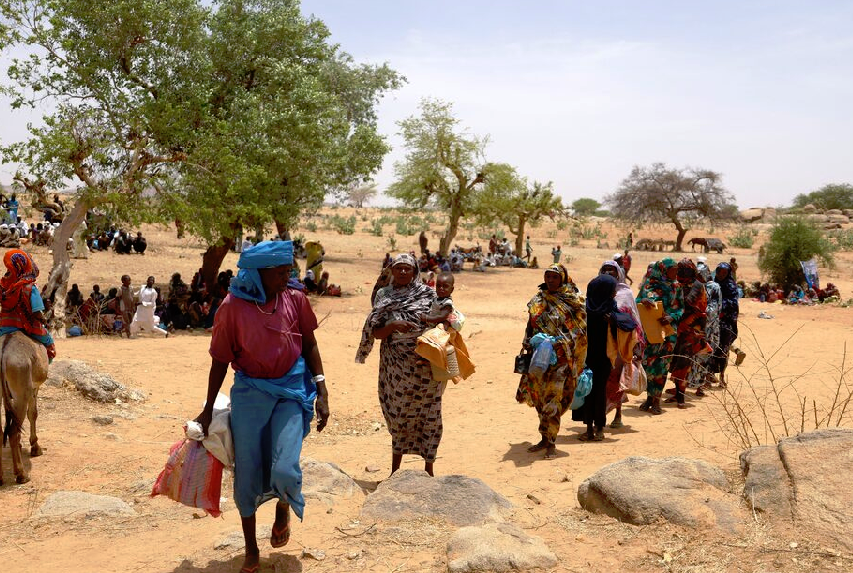
Sahbani noted that aid agencies are deeply concerned about the potential spread of the disease among hundreds of thousands of displaced people who have fled towns and rural areas in North Kordofan.
He pointed out that the fatality rate among cholera patients has reached 13.7 percent, a high level that is expected to rise with the start of the rainy season.
The organization said it is particularly concerned about the transmission of the disease to El Obeid, where the fragile health system is under increasing pressure, health facilities are overcrowded, and access to medical services remains very limited.
Sahbani explained that WHO has pre-positioned health supplies sufficient for more than 25,000 people in El Obeid, but acknowledged that they are insufficient.
He called on donors and partners to urgently support efforts to deliver aid and medical supplies.
Sahbani added that the deteriorating situation in the city raises the risks of disease outbreaks, malnutrition, and violence, including against women and children.
The organization noted that Sudan faces the largest humanitarian crisis in the world, with more than 33 million people needing humanitarian assistance, including 21 million in need of health services, while 13.4 million remain displaced, including 9 million inside Sudan and 4.6 million in neighboring countries.
It pointed out that cholera is not the only disease currently spreading, as the country is also experiencing outbreaks of dengue fever, malaria, meningitis, hepatitis, and measles.
On July 5, the Sudanese Doctors Network announced that more than 200,000 people, including 20,000 children, in areas west of the city of Bara in North Kordofan state are facing tragic humanitarian and health conditions due to the spread of cholera and measles, along with a severe shortage of medicines and food.
The Rapid Support Forces have controlled Bara and villages west of it since last March.
Alongside Darfur and Blue Nile state (southeast), the three states of the Kordofan region (North, West, and South) have witnessed fierce clashes between the Sudanese army and the Rapid Support Forces since October 25 last year.
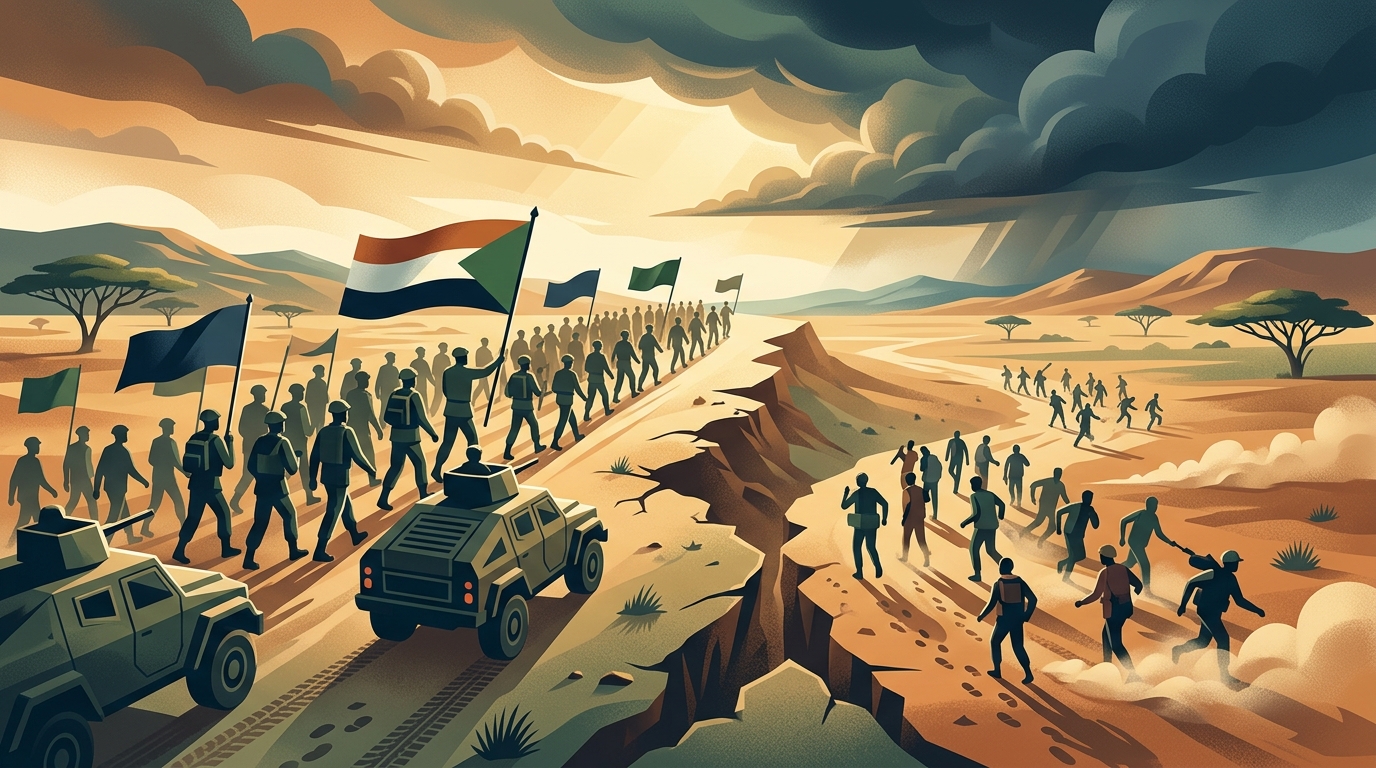
The humanitarian crisis in Sudan is worsening due to the war between the army and the Rapid Support Forces, ongoing since April 2023 over a dispute regarding the unification of the military institution, which has left tens of thousands dead and nearly 13 million displaced and refugees, according to UN estimates.
Original source: Anadolu Agency

Comments (0)
Be the first to comment.