Why Do Global Markets Shake Whenever Risks Rise in the Gulf Region?
Summary: In a new episode of the series 'Economic Opinion', Darwish confirms that oil is not just a commodity bought and sold, but a fundamental element in the global economy's movement.
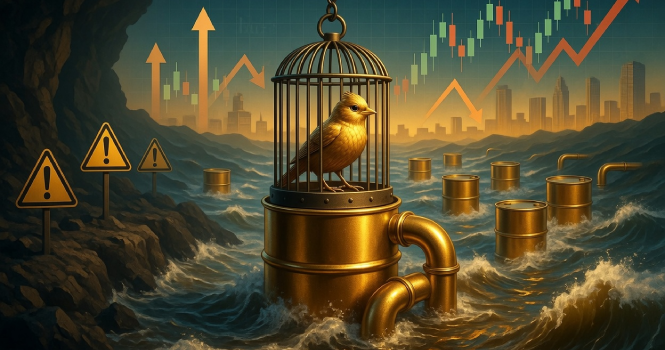
When tensions rise in the Middle East, not only armies and politics move, but global financial markets also move with them, given that the Gulf region still represents the heart of energy in the world, and any threat to its stability raises investors' fears of disruption in oil and gas supplies, according to Ghaleb Darwish, head of the economics department at 'Independent Arabia'.
In a new episode of the series 'Economic Opinion', Darwish affirms that oil is not just a commodity bought and sold, but a fundamental element in the global economy. Higher oil prices mean increased costs of transportation, production, and energy, which could lead to higher inflation and make the task of central banks more difficult, especially when they are trying to lower interest rates to support economic growth.
Effect on the oil market
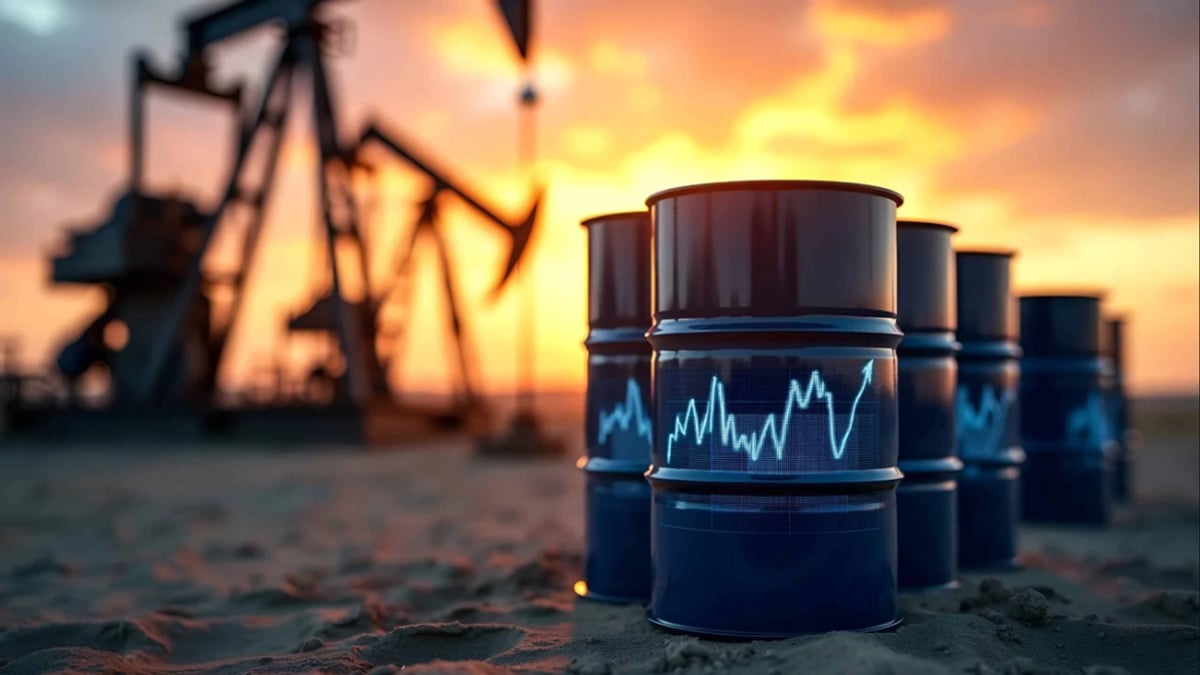
Historically, markets have proven that geopolitical risks in the Middle East can quickly change price trends, according to Darwish. The more fears of supply disruptions increase, the more investors add what is called a 'geopolitical risk premium' to oil prices, even before any actual production shortfall occurs.
Read more
OPEC maintains its influence on the oil market despite wars
Limited gains in oil prices amid cautious anticipation in markets
OPEC+ looks to enhance oil stability amid market changes
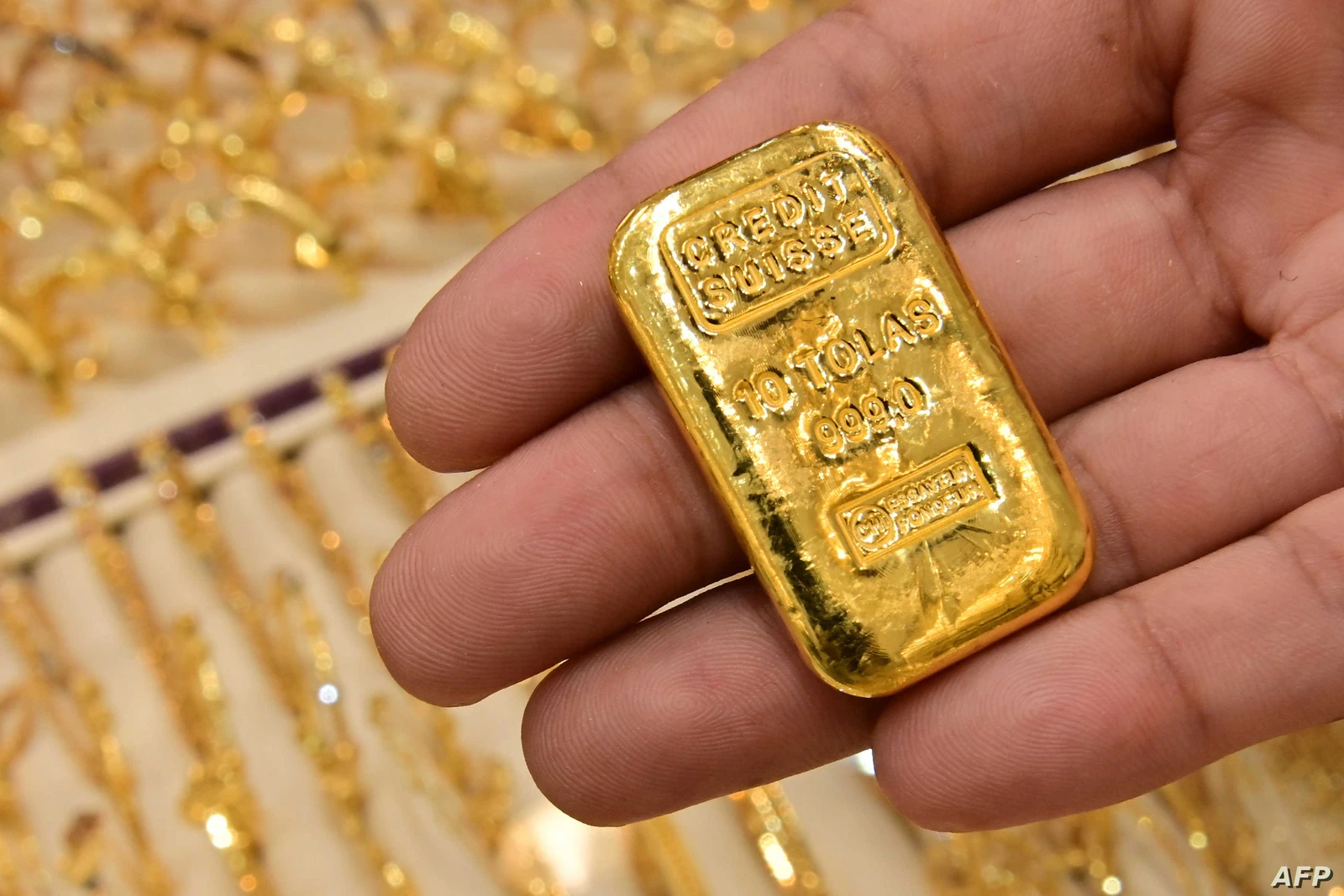
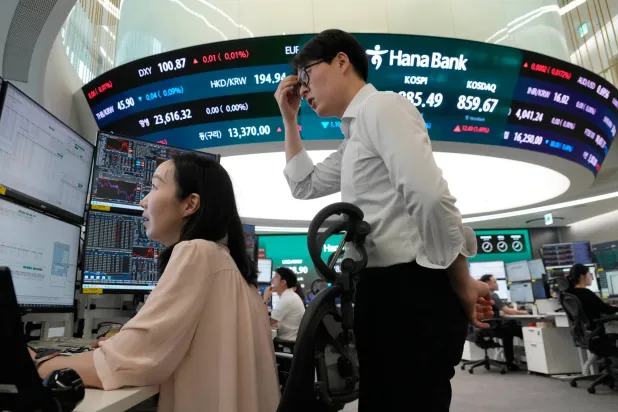
He continues: 'The impact is not limited to the energy market; global stocks often decline during crises due to heightened uncertainty, while investments flow towards safe havens such as gold, bonds, and strong currencies. Investors do not like surprises, and markets inherently move based on expectations and fear of the future.'
The region is a key player
But today's landscape is more complex than in the past, as Darwish explains that the world now has multiple energy sources, and there is significant production outside the Middle East, especially in the United States, which reduces the impact of any crisis compared to previous decades. However, the region remains a key player due to its production volume and strategic location, as well as the passage of a significant portion of global energy trade through its sea lanes.
The conclusion reached by the head of the economics department at 'Independent Arabia' is that markets are not only afraid of rising oil prices, but fear the unknown.
Original source: Independent Arabia
Comments (0)
Be the first to comment.