Economic War Diary: July 15
Economic War Diary: July 15
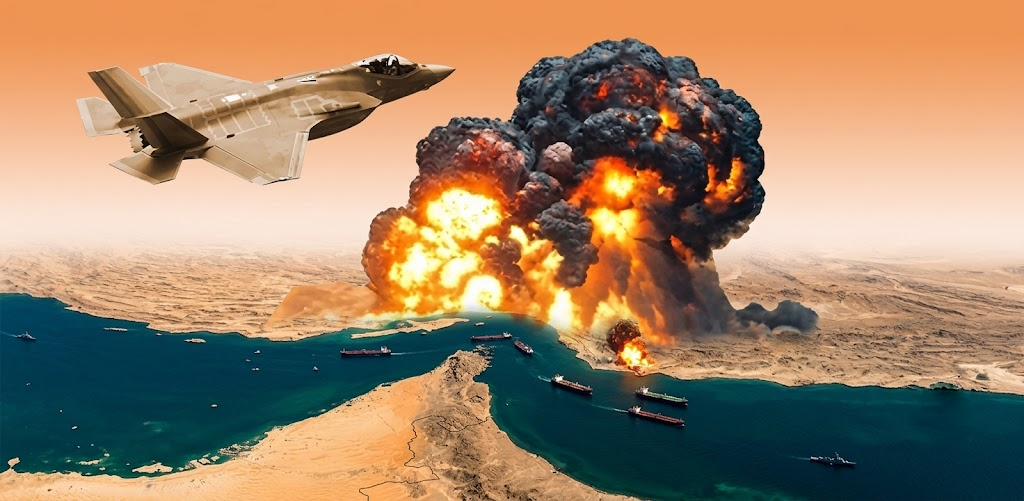
The Strait of Hormuz crisis enters a more complex phase, as the United States moves from imposing direct transit fees to seeking trade and investment deals with Gulf states, while continuing its role in securing sea lanes and reimposing a blockade on Iranian ports and coastal areas.
In contrast, Chinese data reflects clear demand-side pressure, as its oil imports fell to the lowest level since 2016.
Key updates: 1- Trump replaces 20% fees with trade and investment deals with Gulf states
US President Donald Trump said he decided to replace the imposition of a 20% fee on shipments transiting the Strait of Hormuz with concluding trade and investment agreements with Gulf states.
He explained that the new agreements will replace the fees he previously proposed in exchange for US protection of navigation in the strait, in a step aimed at strengthening economic partnership with Gulf states while continuing the US role in securing sea lanes.
2- China's oil imports plummet 41% in June to lowest level since 2016
China's crude oil imports fell 41% year-on-year in June, hitting their lowest levels since 2016, affected by the repercussions of the war with Iran and sluggish domestic demand.
This decline reflects weak consumption by the world's largest oil importer, which may limit support for global crude demand and increase pressure on prices, despite ongoing geopolitical risks in the Middle East.
3- Iran exported oil and products worth $6 billion before the return of the US blockade
Iran exported more than 80 million barrels of crude oil and refined products, valued at an estimated $6 billion, during the 26 days before the United States reimposed its oil blockade.
In contrast, about 30 million barrels remain stuck in storage facilities, while Iran has floating storage capacity estimated at 60 million barrels within the blockade area, giving it room to continue storing production and managing exports under the imposed restrictions.
4- Iranian Oil Minister: Crude exports continue despite tightening US sanctions
Iranian Oil Minister Mohsen Paknejad said that Iranian crude oil exports continue normally, affirming that the US decision to cancel waivers did not affect Iran's oil flows or Tehran's ability to market its crude.
He added that the oil sector continues its operations without interruption, indicating Iran's continued crude exports despite US sanctions, relying on alternative channels and markets to maintain export levels.
5- Navigation traffic in the Strait of Hormuz falls to lowest level in nearly a month
A report by S&P Global Commodities at Sea stated that only 11 ships crossed the Strait of Hormuz on July 12, the lowest number since June 14, following the attack on the container ship GFS Galaxy and the exchange of strikes between the United States and Iran.
The transiting vessels included one LNG carrier, one Suezmax crude oil tanker, four product tankers, three landing ships, one general cargo ship, and one Supramax bulk carrier.
6- LNG market surplus delayed to 2028
Bloomberg NEF forecast that the LNG market will enter a surplus phase in 2028, a full year later than previous estimates, due to the war in the Middle East and delays in implementing major projects, postponing a global supply glut.
The report indicated that the surplus is likely to peak between 2031 and 2032 with the commissioning of new projects, while uncertainty increases over Qatar's production and expansion plans after damage to gas facilities and disruption of shipments via the Strait of Hormuz.
7- South Korea expects full recovery of oil imports in July and August
South Korea expects crude oil imports to fully return to normal levels during July and August, despite ongoing concerns about any new logistical disruptions in the Gulf region, according to the Ministry of Trade, Industry and Energy and refining sector sources.
The ministry explained that the country secured about 90% of its monthly crude oil needs in May, while July and August shipments are expected to exceed levels from the same period last year, affirming that the direct impact of tensions on oil supplies to South Korea will remain limited in the near term.
8- Rising inventories and production weigh on US gas prices
US natural gas inventories remain about 6.6% above their five-year average.
This coincides with production rising to 110.2 billion cubic feet per day in July, reflecting ample supply and continuing pressure on prices.
9- Competition between Europe and Asia for gas may exacerbate pressures
Cornelia Meyer, CEO and Chair of Meyer Resources London, warned that competition between Europe and Asia for LNG shipments could intensify in the coming months as winter approaches, potentially increasing pressure on the global market and driving prices higher.
She explained that increased European demand to secure winter supplies could crowd out Asian buyers for spot cargoes, at a time when global supplies remain relatively limited, raising the likelihood of continued volatility in gas markets.
Key indicators
10- Oil
Brent crude futures opened Wednesday's trading near $85 per barrel, while West Texas Intermediate crude futures opened around $79 per barrel.
This came after the US military launched additional airstrikes on Iran, as Washington prepares to reimpose a blockade on Iranian ports and coastal areas.
11- US natural gas
US natural gas futures prices, according to the Henry Hub index, opened Wednesday's trading at $2.87 per million British thermal units, the lowest level in two months.
The decline comes amid continued pressure from rising production, lower demand expectations, and reduced gas flows to LNG export facilities due to scheduled maintenance at the Freeport LNG facility in Texas.
12- European natural gas
European natural gas futures prices opened Wednesday's trading at €54 per megawatt-hour, reaching their highest level in more than three months.
The rise came after US President Donald Trump ordered the resumption of a blockade on Iranian ports, reviving concerns about supplies and shipping traffic in the region.
13- Gasoline prices in America
The average gasoline price in the US rose on Tuesday to $3.857 per gallon, compared to $3.823 the previous day, according to data from fuel price tracking website GasBuddy.
Before the start of the war, the average price was $2.83 per gallon.
14- Shipping
The Baltic Dirty Tanker index, which reflects global crude oil transport costs, rose on Tuesday by 4.13% to 2,145 points.
Original source: Argaam





Comments (0)
Be the first to comment.