Sources reveal to CNN international efforts to persuade Trump to back down from imposing fees on the Strait of Hormuz
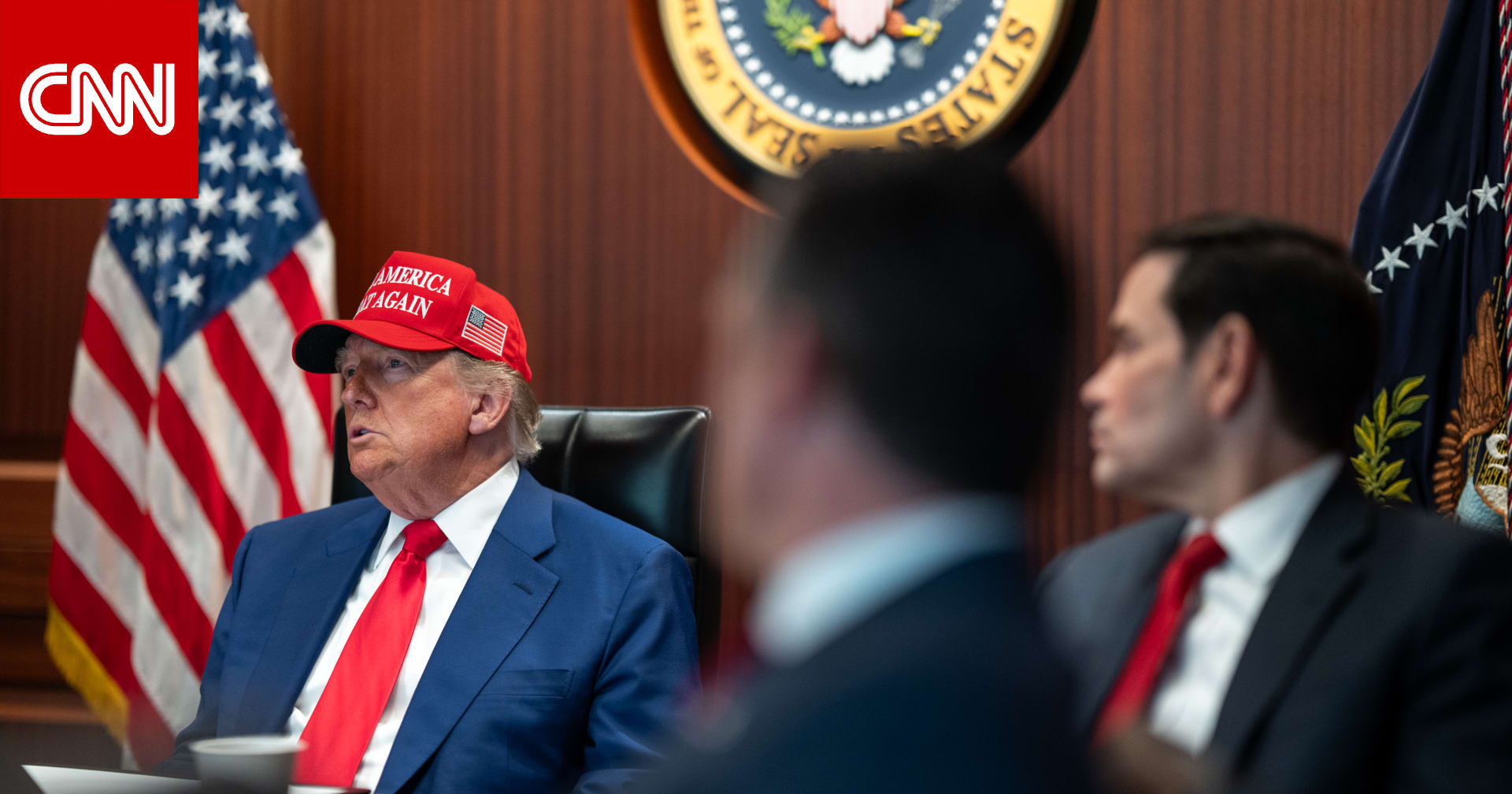
(CNN)-- Sources told CNN that US President Donald Trump surprised allies in Gulf countries and many of his aides with his plan to impose fees on the Strait of Hormuz, sparking a furious international race to convince him to back down from his demand.
The sudden announcement on Monday came despite months of warnings from Trump's own advisers not to proceed with the idea, fearing it would undermine US war objectives and legitimize Iran's plans to impose fees in the strait, which the Trump administration has repeatedly described as "illegal."
But as Trump watched the escalating conflict over the strait bring the United States back into a full-scale war, he went ahead anyway, appearing frustrated.
Trump wrote on his Truth Social platform Monday: "The United States of America will henceforth be known as the Protector of the Strait of Hormuz," pledging to impose a 20% fee on all goods transported through the strait.
The sudden directive sparked a 24-hour scramble within the US administration and across the Middle East to understand the details of a proposal that appeared to have been spontaneously devised by Trump.
Although he backed down from his plans on Tuesday, the episode once again underscored the improvisational and transactional nature of Trump's foreign policy approach, even amid a protracted war for which he has no clear exit strategy.
Inside the White House on Monday, his aides rushed to finalize the logistical aspects of establishing such an unprecedented fee system, including determining who would pay and how to collect it.
Many officials and outside analysts initially assumed that shipping companies would bear the costs, but the matter grew more complicated after Trump later announced Monday that US allies in the Gulf would pay the fees instead.
Meanwhile, those Gulf leaders were working diligently to reach Trump by phone in a timely manner to persuade him to abandon the idea altogether.
By Tuesday morning, the efforts of countries including Saudi Arabia, the UAE, Bahrain, and Qatar had succeeded; instead of the US collecting fees, Trump announced that these countries had pledged to inject unspecified new amounts into US investments.
Gulf countries have already committed to investing trillions of dollars in the United States, though it remains unclear how much they will actually spend over the next few years.
Trump said Tuesday of his unprecedented fee plan: "I proposed it yesterday, and I thought it was good, and I received calls from different people, from different countries, from kings and princes, and from all the people we know and love. And frankly, they were very strong partners. And they said they would like to take a different approach."
A White House official confirmed Trump's remarks, saying: "Given Iran's violations of the agreement to keep the strait open, the president kept all options on the table and wisely decided that the United States should be compensated for years of protecting ships transiting this waterway. Ultimately, our Gulf allies offered investments in the United States, which the president preferred."
Since the United States returned to active conflict last week, Trump has insisted that the war is effectively decided and that another intensive but short bombing campaign is all that is needed to subdue Iran.
At the same time, he insisted that access to the Strait of Hormuz remains free and open.
But these claims have so far contradicted the ground reality, including Iran's continued ability to sufficiently threaten any ships attempting to transit the strait.
As a result, traffic through this vital waterway has declined sharply, driving oil prices to levels not seen since before the US-Iran peace agreement last month.
Trump had previously threatened to impose fees on the strait in earlier flashpoints during the war, expressing frustration at the exaggerated importance of this maritime passage, which he complained he had to secure alone, even though the United States itself does not rely on it for oil transport.
In April, he proposed that the US impose fees because it was "the victor" in the war, then later floated the idea of a "joint venture" with Iran to control the strait.
More recently, he threatened to impose fees if Iran failed to reach a lasting peace deal, calling it "compensation" for war costs.
However, these proposals have faced consistent opposition from Trump's advisers, according to sources familiar with the discussions, who argued that new restrictions would only raise oil and gas prices, increasing political pressure on Republicans ahead of the November midterm elections, which are expected to center on affordability concerns.
They warned of an even more troubling issue: that the move would contradict the principles set by the US administration, which oppose any country imposing fees on a waterway.
US Secretary of State Marco Rubio, in late June before the US joined a joint statement rejecting "any fees, charges, or attempts to assert control" over the Strait of Hormuz, said: "No country is allowed to impose fees or charges on an international waterway; that is the requirement of existing international law, that is the case for international waterways around the world, and that is what we expect here as well."
Echoing those concerns, Iranian Foreign Minister Abbas Araghchi quickly seized on Trump's remarks Monday, saying: "The US president is absolutely right; whoever guarantees the safe and secure passage of commercial ships through the Strait of Hormuz should receive compensation for this service," concluding: "Of course, 20% is excessive; we will be fair."
Original source: CNN Arabic


Comments (0)
Be the first to comment.