The Civilization of Light
The civilization of light does not erase architecture, but gives it new life, making it breathe through images and adapt to time. Light here is a complete civilizational language, capable of creating meaning and reshaping consciousness, turning the city into a renewed visual text—not read once, but renewed with every flash.
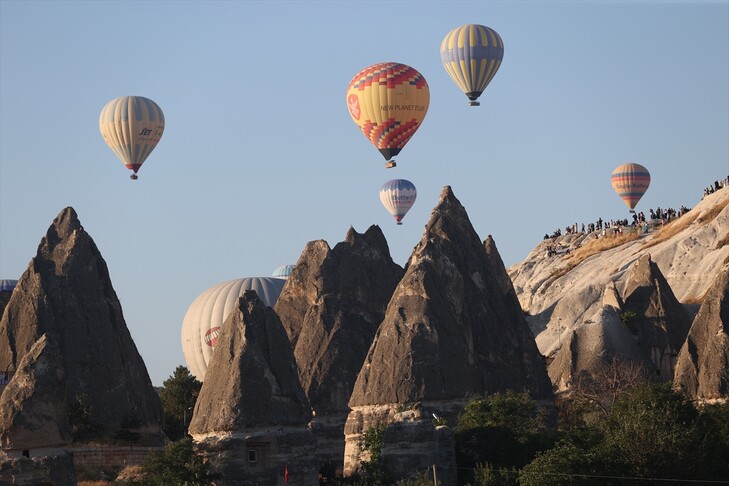
In the Sultan Ahmed area, I was captivated by a flock of birds hovering over the dome and six minarets of the Blue Mosque in the dark of night. These birds, which never stray far from the mosque's surroundings, appeared like twinkling lamps in the sky. At first, I thought they were drones—there was a celebration, and I assumed they were part of that event because I had never noticed them before. Hagia Sophia is very close, and no birds hover over it. I stayed for over an hour watching those birds, waiting for the event to end, but I discovered they were real and that this phenomenon has been known in the skies of Istanbul for a long time.
The scene struck me, though many paid it no attention—perhaps because they were used to it. But I was thinking about 'light' and what it can do to the human mind. Many of us know that we see things through the reflection of light on them, but when the nature of light changes and it becomes a tool capable of creating things themselves—like holograms and so on—a large part of reality becomes a fleeting optical illusion.
This scene was a visual lesson revealing that cities are not read only through their buildings, but through the light that reshapes our relationship with them. Light is not just a visual medium, but a cultural element that adds a new layer to architecture. At that moment, the birds seemed part of the mosque's composition, as if light had adopted them and made them an extension of the place's spirit. Istanbul knows how to make light part of its urban narrative; at night, the Blue Mosque turns into an emotional state where shadows blend with reflections, and the minarets become pillars of light connecting earth to sky.
I remembered the birds of the Blue Mosque while attending the French National Day celebration on July 14 this year near the Eiffel Tower. I had received a special invitation from a French friend, and I met the organizing team. Before I accepted, he told me I would not regret coming. Actually, I am not a fan of fireworks, but he said there would be 1,600 drones participating in the show. That reminded me of those birds in the Istanbul sky, and I thought they were a group of glowing drones. I must admit the show was tempting, so I agreed immediately—I saw it as an opportunity anyway. I can say I have never seen such a masterful display of light. The drones moved to form images and words, harmonizing with the fiery glow, all in the presence of the Eiffel Tower, which is nearly 137 years old and carries the symbolic weight of the iron age's dominance over architecture. This symbolic scene turned the building itself into a carrier of lanterns that crafted the entire spectacle, yet it was a transforming spectacle that changed each time, as if the iron tower had become a thousand towers.
In Paris, light seemed like a complete engineering project, not a natural phenomenon. The sky turned into a screen on which national symbols were written, and the drones moved with precise harmony, reshaping space. Here, light becomes an industry, while in Istanbul it was an extension of history and place. Between the two scenes, a dialectic about the meaning of light emerges: is it an extension of nature or a triumph of technology? The Eiffel Tower, once a symbol of the iron age, seemed to shed its rigidity to become a light platform changing every second, as if architecture itself redefines its presence through light. A strange euphoria washed over me, for the civilization of light has gained the upper hand in creating transient and ever-changing forms; the stillness and permanence that once characterized architectural forms are no longer an imposed reality. Light has the power to give the same building a thousand faces. I don't know if this can create an 'identity' as some imagine, for light, as I envision, will make identity and its concepts—which seek stability—more fluid.
This euphoria revealed that light is no longer just a tool, but a cultural force reshaping our relationship with the city and identity. When a building turns into a thousand faces, the question of identity becomes more complex. Throughout history, architecture sought permanence, a form that settles in memory, but the civilization of light proposes a moving identity, shaped through shifting visual moments. The city whose images change every night, the tower that becomes a screen, and the mosque with birds hovering above like stars—all indicate that identity is no longer built from stone alone, but also from light. The civilization of light does not erase architecture, but gives it new life, making it breathe through images and adapt to time. Light here is a complete civilizational language, capable of creating meaning and reshaping consciousness, turning the city into a renewed visual text—not read once, but renewed with every flash.
Original source: Al-Riyadh


Comments (0)
Be the first to comment.