Night Hiking: The Icon of Summer Adventure in the Kingdom
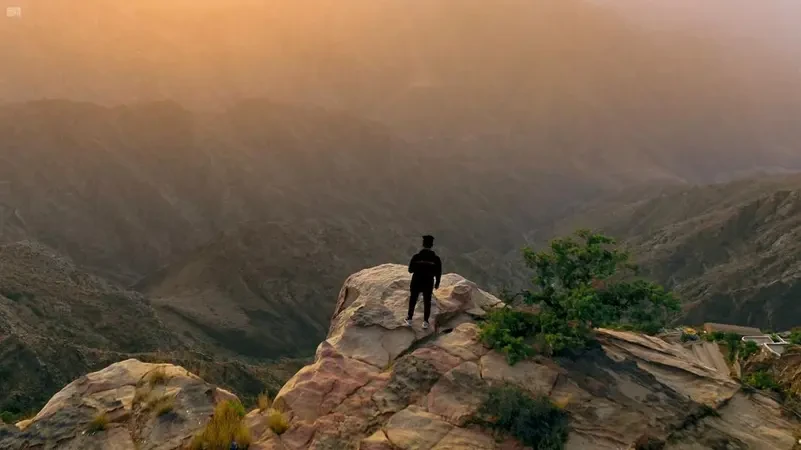
Night hiking activity in the Kingdom is witnessing rapid growth in recent years, with increasing interest from youth, families, and adventure lovers in exploring nature after sunset. After mountain walking was an activity limited to daylight hours, night has become for many the ideal time to experience a different blend of sport, tranquility, contemplation, and stunning landscapes.
This growing demand is attributed to the Kingdom's vast geographical diversity, with hiking trails spread across towering mountains, deep valleys, rocky plateaus, and open deserts, offering hiking enthusiasts a wide range of options suitable for various experience and fitness levels. The spread of specialized volunteer teams organizing trips and providing guidance and safety has also made this experience easier and safer.
With rising temperatures in many regions during summer, night hiking has become a preferred option to escape the daytime heat and enjoy milder conditions. Walking under a starry sky gives participants a completely different experience from daytime trips, as nature transforms into a quiet world filled with stillness, wind sounds, and wildlife. Night hiking is no longer just a sport; it has become a new way to discover the Kingdom's natural side and an opportunity to step away from daily life pressures and connect directly with the surrounding environment.
In this report, we review the reasons behind the uniqueness of night hiking in Saudi Arabia, the best times for it, and the most famous sites that attract enthusiasts of this unique adventure.
Why is night hiking in Saudi Arabia a special experience?
Night hiking differs from traditional daytime walking in atmosphere and sensory experience entirely. With the disappearance of city noise and lower temperatures, the focus shifts to natural details that hikers might miss during daylight. The natural light of the moon and stars gives the scene a magical character hard to replicate at any other time.
Saudi Arabia has one of the best environments for this type of activity, thanks to its vast natural spaces and low light pollution in many mountainous and desert areas. This allows clear views of stars and the Milky Way in some locations, making the trip akin to an open-air astronomical experience.
Night hiking also offers a chance to enjoy more moderate temperatures, especially in desert areas where temperatures drop significantly after sunset. This factor makes the activity more comfortable during summer months compared to daytime trips.
Hikers note that walking at night enhances the sense of adventure and discovery, giving participants a feeling of calm and mental clarity, especially when stopping at high points to view the horizon or observe stars away from the hustle of daily life.
Best time for night hiking
Summer is one of the seasons with the highest demand for night hiking, especially in areas with high daytime temperatures. Most trips usually start about two hours after sunset, when the weather becomes milder and walking conditions improve.
In mountainous areas such as Asir, Al Baha, and Taif, night hiking can be practiced during most months of the year, as these highlands enjoy relatively pleasant weather even in summer. The experience becomes more beautiful on clear nights that allow clear views of stars and surrounding mountains.
Many hiking enthusiasts prefer to choose moonlit nights, especially during full moon, which provides natural illumination to enjoy the scenery and reduce the need for artificial lighting. Spring and autumn periods are also among the best times for long trips due to moderate temperatures.
Experts recommend checking weather conditions before departure, ensuring the climatic conditions suit the chosen trail, and carrying lighting equipment, water, and basic safety tools to ensure a safe and enjoyable experience.
Best places for night hiking in Saudi Arabia
"Edge of the World" - an adventure on the horizon's edge
Edge of the World, northwest of Riyadh, is one of the most famous hiking destinations in the Kingdom, offering stunning panoramic views of the plains and extended deserts. At night, the rocky cliffs become a natural platform ideal for stargazing and astrophotography.
"Al Gharameel in AlUla" - a geological museum under the sky
Al Gharameel area in AlUla is one of the most prominent night hiking and astrotourism sites, thanks to its unique rock formations and distance from light sources. The area offers an exceptional experience combining nature walks with views of the clear, star-filled sky.
"Souda Mountains" between fog and stars
In the heart of the Asir region, Souda offers one of the most beautiful night hiking experiences due to its high altitude and relatively cool climate. The mountain trails there provide stunning views of valleys and distant villages, while the night fog adds more magic to the scene.
"Tanomah and Al Namas" - green nature and high trails
Tanomah and Al Namas are an ideal choice for mountain nature lovers, with trails passing through forests and high peaks, offering a tranquil atmosphere completely different from traditional desert environments.
"Jabal Dakka and Al Shafa" - night views of Taif
Al Shafa highlands and Jabal Dakka are among the top summer destinations for hiking enthusiasts, blending moderate weather with panoramic views of Taif city and its valleys, making night hiking there a special experience for families and adventurers.
"Wadi Lajb" - an adventure among rock walls
Wadi Lajb in Jazan offers a different experience for adventure lovers, as the trails are surrounded by towering rock walls forming stunning natural corridors. It is best explored during mild evening periods to enjoy its unique terrain.
"Nafud Desert and Harrat Khaybar" - a journey in the heart of the open sky
The Great Nafud Desert and Harrat Khaybar volcanic field provide an exceptional experience for desert adventure enthusiasts, where one can walk among sand dunes and ancient volcanic formations under a clear sky filled with stars.
Essential equipment for a safe trip
Despite the fun and excitement of night hiking trips, the success of the experience is largely linked to good preparation and adherence to safety procedures. Specialists advise against going alone, and it is always preferable to walk in groups or with organized teams experienced in natural trails and terrain.
Carrying essential equipment is indispensable, foremost a headlamp with spare batteries, sufficient water, GPS devices or navigation apps designed for mountain trails, in addition to a light first aid kit and hiking shoes that provide stability and protection on rough terrain.
It is also recommended to wear appropriate clothing for expected temperatures, especially in mountain highlands where temperatures may drop significantly during night hours, in addition to carrying a portable phone charger and reliable means of communication when heading to remote areas.
Original source: Akhbaar24




Comments (0)
Be the first to comment.