Photos | Natural Shades of AlUla.. A Unique Summer Experience Amid Historical Sites
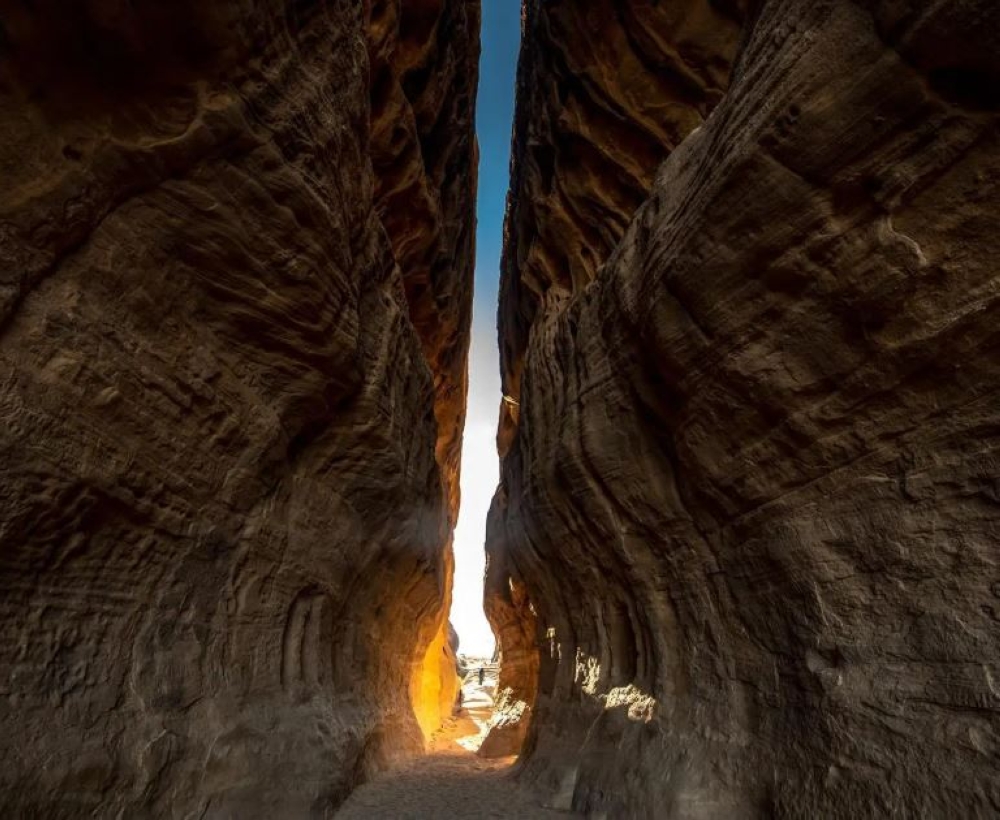
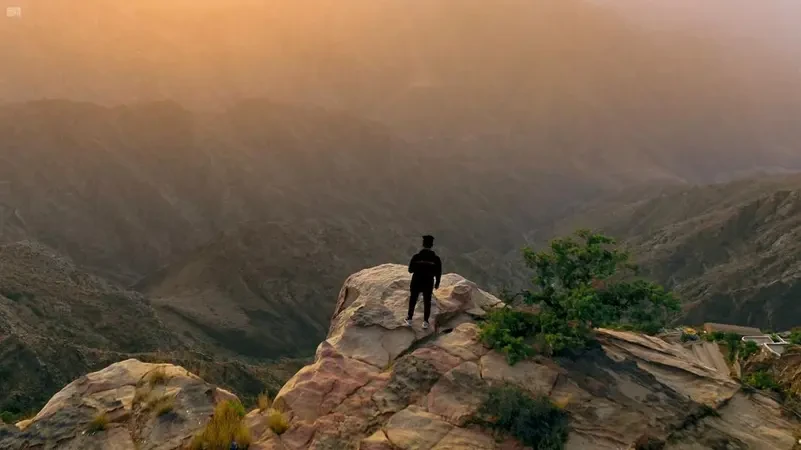
In AlUla Governorate, unique shades form from mountains and oases, giving daytime tours an exceptional character. The rock formations and dense palm trees create milder atmospheres within historical and natural sites, enriching visitors' experience and offering them a wider opportunity to explore the details of the place comfortably.
AlUla combines historical heritage and natural beauty, making it a distinctive tourist destination year-round.
The agricultural oases in AlUla show the harmony of nature with the place; millions of palm trees, along with the surrounding rocks, provide moderate conditions inside farms and historical pathways, making movement comfortable in summer, and giving visitors the opportunity to explore the agricultural and heritage landscape in a shaded environment.
Related News
Jabal Athlib is a prominent example of this natural formation, where the 'Diwan' was carved thousands of years ago inside a rocky corridor surrounded by towering walls, flooding the site with shade most of the day from sunrise to sunset, in a scene that reflects the precision of ancient civilizations in choosing their locations and benefiting from the natural features of mountains to provide a suitable environment.
Ancient Arabic Inscriptions
Jabal Ikma, which houses one of the largest open libraries of ancient Arabic inscriptions, enjoys extended shadows on its facades and rocky corridors starting from midday due to the mountain's height, creating suitable conditions for exploring the inscriptions and historical writings, and giving visitors an opportunity to contemplate one of the most prominent heritage sites that document the region's history over thousands of years. In the old town, the narrow alleys and contiguous mud-brick buildings provide an urban character that offers shaded spaces within the pathways, reflecting a deep understanding of the local environment and adaptation methods to the climate, and giving visitors a comfortable experience moving between the historical landmarks during the day. These natural and urban elements embody the close relationship between humans and the place in AlUla over thousands of years, where mountains and oases have shaped settlement and life patterns, and continue today to enrich the tourism scene; presenting AlUla to its visitors as a summer destination that combines historical authenticity and natural beauty, in a scene where shadows create paths to discover the place and enjoy its details.
These natural shades are not just a beautiful scene; they reflect urban and agricultural adaptation that is thousands of years old. Today, AlUla continues to invest in these features to promote sustainable tourism, offering visitors a unique summer experience that combines historical exploration and natural comfort. The question remains: How will the Royal Commission for AlUla Governorate maintain this environmental balance with the increasing number of visitors?
Original source: Al-Yaum


Comments (0)
Be the first to comment.