After Botox and Fillers... Will Bodies and Faces Be Injected with Fat from Deceased Donors?
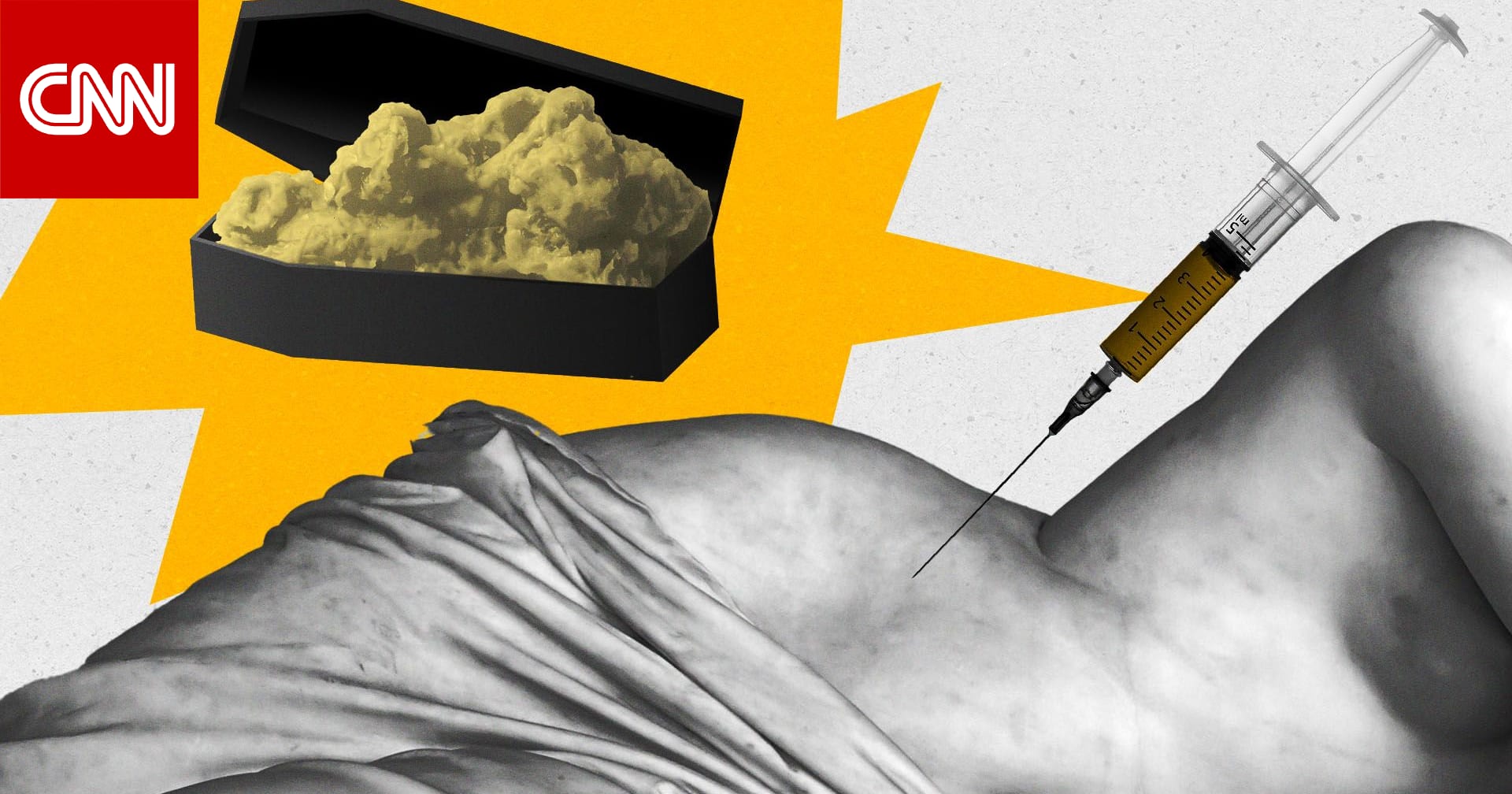
With the spread of weight loss drugs, new cosmetic techniques are emerging that rely on fat taken from deceased donors to restore lost volume, including 'alloClae', which sparks debate about its efficacy, safety, and the ethical side of its use.
Popular new body contouring injections are being manufactured using fat taken from deceased donors.Credit: Photo Illustration by Connie Chen/CNN/berkpixels/fStop/Getty Images
Amid the spread of weight loss drugs and changing beauty concepts, the world of cosmetics is witnessing a new trend relying on the use of human fat from deceased donors to fill voids in various body areas.
This technique comes at a time when the cosmetic sector is shifting towards less invasive procedures, with increasing demand for improving appearance without surgery.
Among these techniques, the product 'alloClae' stands out, which is presented as a solution for injectable body contouring without surgical intervention or implantation of synthetic materials.
The manufacturer of this product, Tiger Aesthetics, stated that more than two thousand people have received injections since May 2025, sparking widespread interest on social media platforms like Reddit.
The product's spread comes within a broader shift in society's view of cosmetic procedures, as some techniques are no longer treated as radical changes in appearance, but are presented as part of the concept of maintaining looks and body care.
The product has been described as 'ready-to-use fat' or 'packaged fat grafting'.Credit: Photo Illustration by Connie Chen/CNN
This technique has sparked widespread controversy; while some clinics describe it as a 'new generation development', others call it 'zombie filler' or 'corpse injections' due to the source of the fat.
The spread of this technique reopens questions about the limits of pursuing the perfect look and the extent to which using tissues from deceased donors in cosmetic procedures can be accepted, as has happened with other techniques like Botox. In the end, individuals' stance on this technique remains linked to their view on using human components in the beauty world.
The Ozempic Effect: When Weight Loss Becomes a Reason to Restore Fat
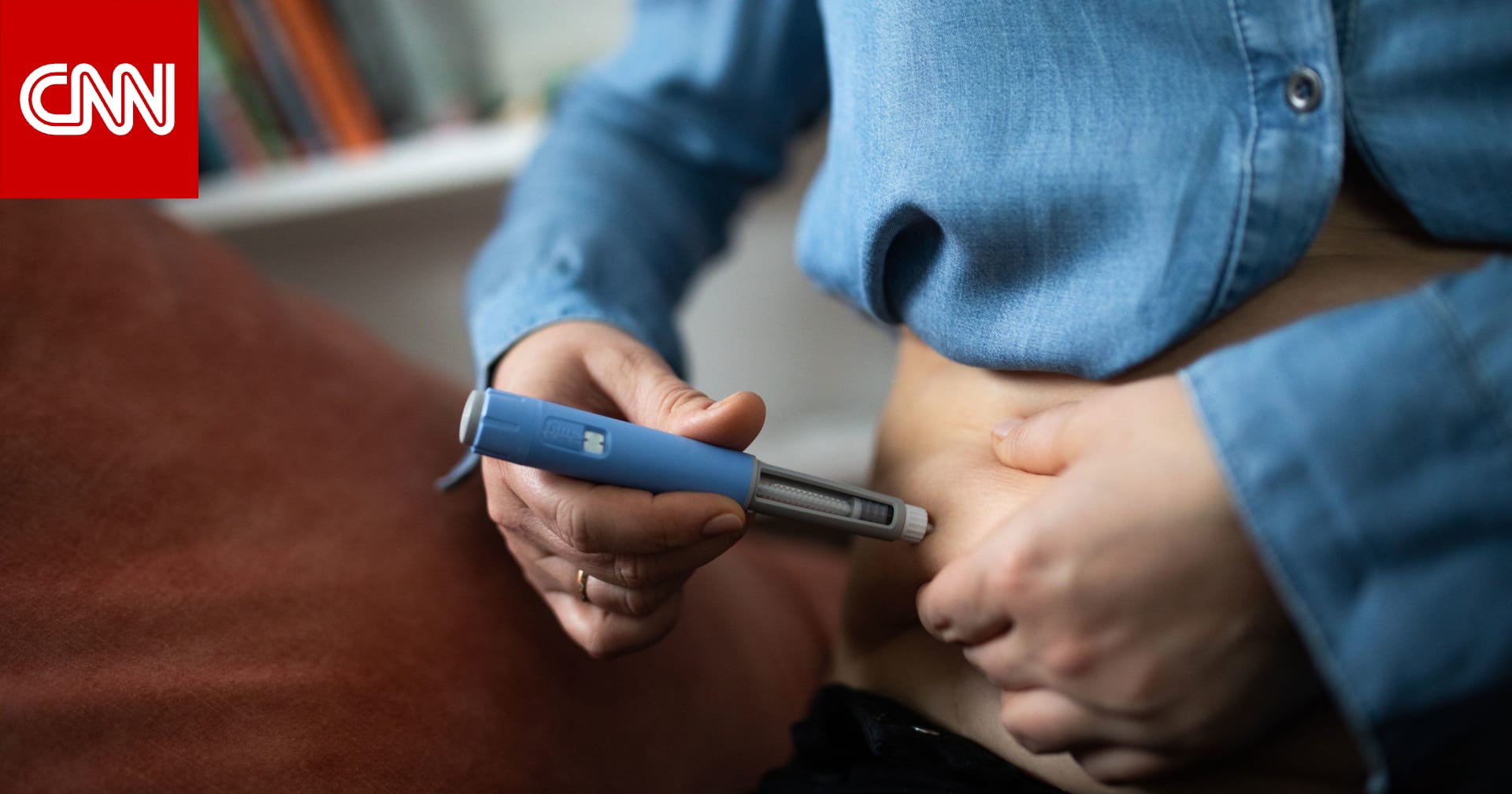
The product was launched in the United States in 2024, initially available to cosmetic surgeons experienced in fat transfer, then expanded to include physician assistants and nurses after special training. A single injection costs about $2,250.
The product is presented as 'ready-to-use fat' or an alternative to autologous fat transfer, which involves taking fat from the patient's body and re-injecting it into another area.
Renuva is a previous product in this field, but the main difference lies in the volume of use; Renuva injections are used for small areas like the face, hands, and neck, while alloClae injections allow for adding larger volume due to their density and ability to accommodate a larger amount of material.
The spread of this technique coincides with the increased use of GLP-1 class weight loss drugs, prompting some people to seek volume restoration in areas such as breasts, buttocks, and face after losing large amounts of fat.
American surgeon Louis Macias noted that patients did not show much objection to the source of fat, while Caroline Van Hove, CEO of Tiger Aesthetics, confirmed that the increased demand for these drugs contributed to boosting interest in the product, as the company works to increase production despite relying on donations from deceased donor tissue.
Ethics of Using Deceased Donor Fat
The use of these tissues raises questions about how much donors and their families know about how the tissues will be used after death. In the United States, regulation of body donation differs from organ donation; organ donation is subject to strict federal laws, while there is no unified federal body imposing mandatory licensing on body donation institutions or tissue banks not intended for transplantation, making oversight uneven across states.
For her part, Van Hove confirmed that the process is subject to strict controls, and that donors sign consents specifying how their tissues will be used, after a medical review that may take between three and six months. However, she noted that these consents do not mention the alloClae product specifically, but allow donors to decide whether they permit their tissues to be used for research or commercial purposes.
Caroline Van Hove, CEO of Tiger Aesthetics, manufacturer of alloClae, has extensive experience in the cosmetic sector, as her career has been linked to prominent products such as Botox and Juvéderm, which played a role in changing the landscape of the cosmetic injection industry.Credit: Photo Illustration by Connie Chen/CNN/berkpixels/fStop/Getty Images
Despite this, the ethical aspect remains controversial, especially since donors' families do not receive financial compensation. Medical ethics experts believe that making a profit from bodies donated out of altruism raises an issue about transforming a humanitarian act into a commercial activity.
Amid rising demand, the company is working to expand its partnerships with tissue banks, but faced regulatory obstacles in New York City after the health department refused to allow distribution of the product due to questions related to FDA requirements and oversight of tissue banks.
Patient Experiences: Between Aesthetic Results and Potential Complications
Experiences of alloClae users varied. Jacqueline Cruz, 60, said she found the idea of using deceased donor fat 'a bit strange' at first, but felt reassured after the company confirmed that the donor's DNA is removed during the manufacturing process. After being unable to undergo a Brazilian Butt Lift (BBL) due to lack of fat, Cruz opted for the injections, underwent two sessions at a cost of about $50,000, expressing satisfaction with the result and a desire to use the technique for other areas.
In contrast, Sandra, a 43-year-old lawyer, experienced complications after using the product for breast augmentation, paying about $13,000. Two months later, she suffered pain, skin discoloration, and lumps due to a condition known as fat necrosis, which occurs when the injected fat fails to form new blood vessels and obtain adequate blood supply. Despite treatment of the complications, she said she still feels some lumps and may need surgical intervention to remove the remaining material.
For her part, the CEO of Tiger Aesthetics confirmed that no confirmed cases of graft rejection or product-related infections have been recorded, emphasizing the importance of injection technique.
Van Hove and Dr. Krishna Vyas, a plastic surgeon in New York, noted that autologous fat transfer may also carry a risk of fat necrosis, while the comparison between the two techniques remains limited due to the lack of direct studies, and some doctors prefer to wait for more clinical data before adopting the technique more widely.
Will It Become the 'New Botox'?
The alloClae product raises questions about whether it could become the 'new Botox', as some experts believe its ease of use and lack of recovery time may accelerate acceptance of the technique, despite the controversy surrounding the source of the fat used.
In contrast, Van Hove confirmed that new cosmetic techniques often face rejection at the beginning, considering that these products help people boost their self-confidence and maintain an appearance that matches their inner feeling of youth.
Original source: CNN Arabic

Comments (0)
Be the first to comment.