Allergenic Foods: How to Protect Yourself from Common Foods in Our Kitchens?
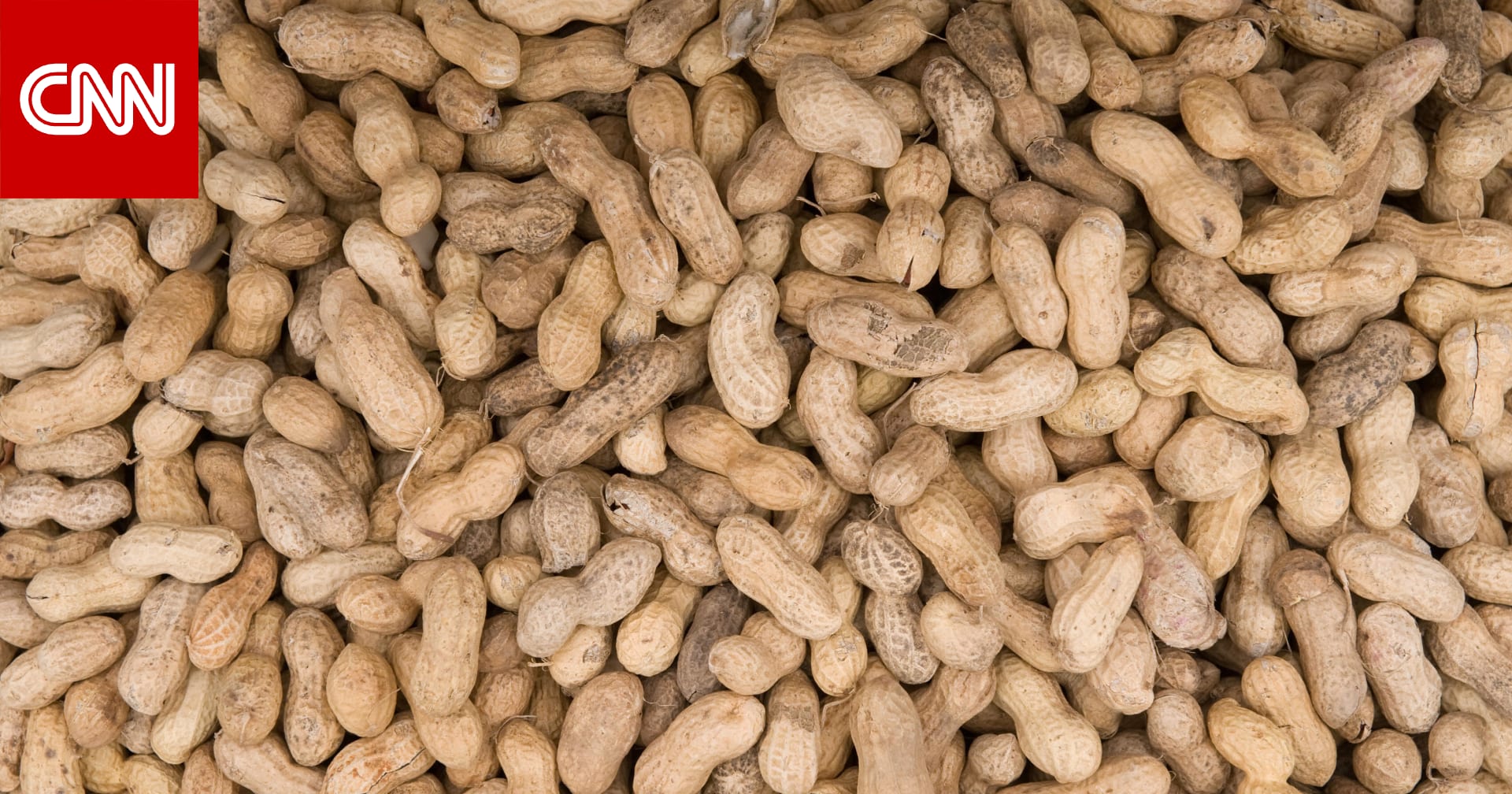
Although healthy food provides the human body with multiple benefits, it may pose a risk to people with allergies to some of its ingredients.
Despite the great nutritional value of healthy foods and their benefits to the human body, they may pose real risks to individuals who are allergic to some of their contents.
Allergenic foods require broad community awareness to avoid their urgent health complications.
How does that happen?
Sometimes the immune system becomes confused in recognizing the proteins contained in foods, showing a response to them as harmful elements, resulting in the release of chemicals internally.
According to the official website of the Saudi Ministry of Health, this may cause various physical symptoms, including:
Red itchy rash
Tingling or itching in the mouth
Sneezing or itchy eyes
Wheezing or shortness of breath
Swelling of the throat, mouth, or other parts of the body
Abdominal pain or diarrhea
Dizziness or nausea
Difficulty swallowing
Since there is no definitive cure for food allergies, the Saudi Food and Drug Authority advises avoiding consumption of the causative ingredients, such as:
Grains containing gluten: such as wheat and barley.
Fish and fish products: such as fish meat and fish oil.
Crustaceans and their products: such as shrimp.
Peanuts and peanut products: such as peanut butter.
Nuts and nut products: such as cashews and pistachios.
Milk and dairy products containing lactose: such as milk and flavored milk.
Eggs and egg products: such as mayonnaise.
Mustard and mustard products: such as mustard seeds, mustard oil, and mustard paste.
Sesame seeds and sesame products: such as sesame oil.
Mollusks and mollusk products: such as oysters, sea snails, mussels, and scallops.
Lupin and lupin products: such as lupin oil.
Soybeans and soybean products: such as soy milk.
Celery and celery products: such as celery seeds and celery salt.
Sulfites: at a concentration of 10 parts per million or more.
What to do when symptoms of food allergy appear?
Immediately stop eating the allergenic food, and avoid touching or inhaling it.
Use emergency treatment when needed, such as antihistamines or epinephrine injections (according to a prescription).
Go to the emergency department immediately if symptoms are severe or worsening.
Whether you suffer from food allergy or not, being aware of its symptoms remains useful as it has become more widespread in several countries around the world, according to the platform of the Food and Agriculture Organization of the United Nations (FAO).
Below are the most important facts about it:
Food allergy is considered an abnormal response of the immune system.
Some types of food allergies are worse than others.
The prevalence of food allergy varies from country to country.
Hygiene and laboratory tests can help reduce and detect levels of allergens in foods.
Food labeling and due diligence protect consumers with allergies.
Official health authorities' guidelines are gaining significant importance in light of the increasing global rates of food allergies. Awareness of risk sources in everyday ingredients represents the first line of defense against acute immune reactions. Reliable data from competent bodies emphasize the need for caution and constant scrutiny of meal ingredients. Continuous follow-up of medical opinions and preventive guidelines remains the most effective way to protect individuals' health in various societies.
Original source: CNN Arabic






Comments (0)
Be the first to comment.