Amid Regional Outbreak Wave, India Approves Dengue Fever Vaccine
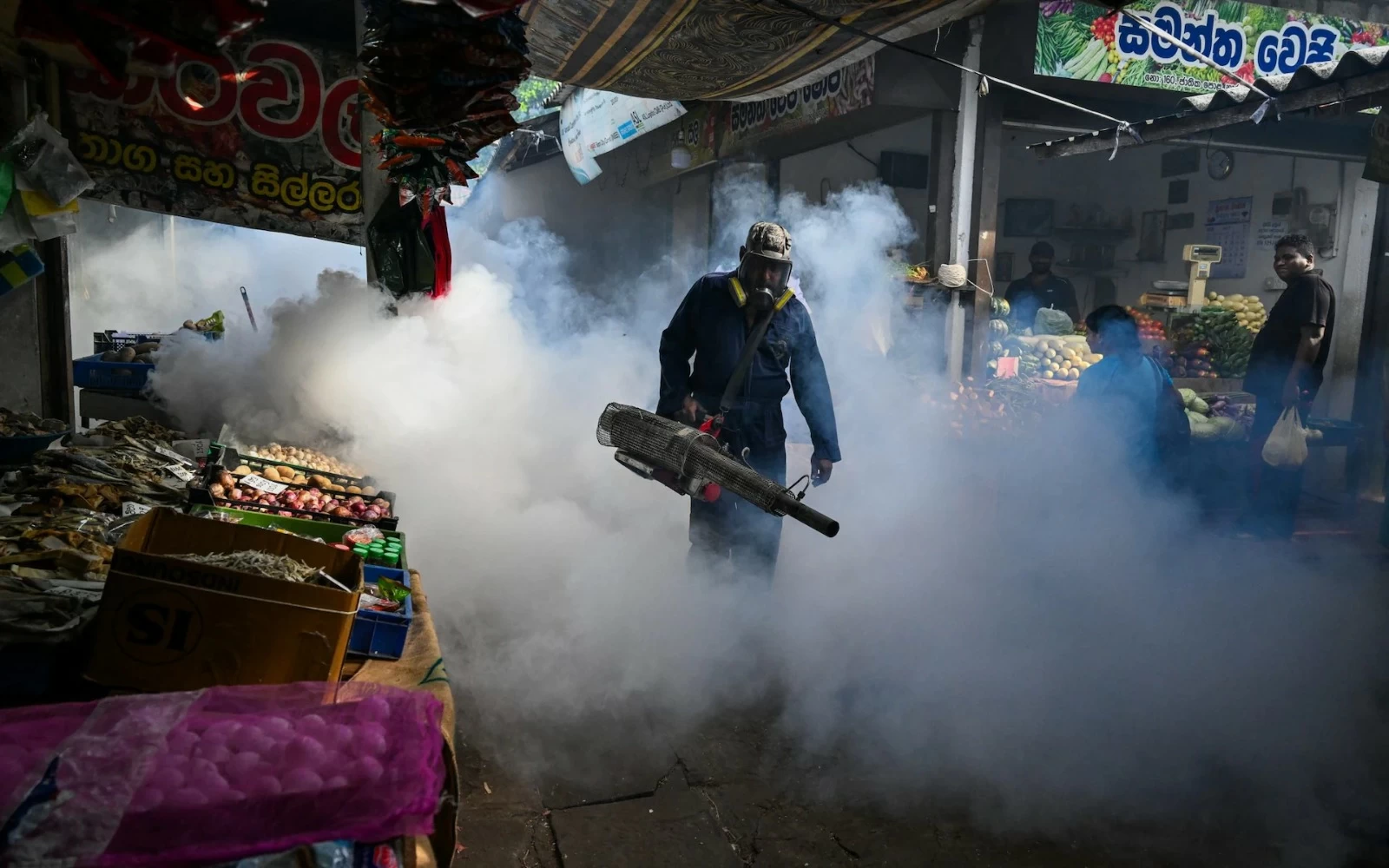
Health authorities in India have approved the first dengue fever vaccine, marking a major milestone in combating the disease amid a surging outbreak across South Asia.
Health authorities in India have approved the first vaccine for the prevention of dengue fever, in a step considered an important milestone in confronting the disease, which is witnessing an increasing spread in South Asia, coinciding with rising infection numbers and mounting pressure on health systems in a number of countries in the region.
The Central Drugs Standard Control Organization of India has approved the use of the QDENGA vaccine, developed by the Japanese company Takeda, making it the first approved vaccine against dengue fever in the country.
The decision comes at a time when global concerns over the spread of the disease are mounting, driven by the impacts of climate change, urban expansion, and increased travel—factors that contribute to the proliferation of Aedes mosquitoes, which transmit the virus.
Several countries in South Asia are witnessing a new wave of infections. In Sri Lanka, health authorities recorded 2,652 new infections in a single day, bringing the total to 76,044 cases since the beginning of the year, alongside 53 deaths.
Bangladesh is also facing a widespread outbreak of the disease, with more than 9,000 infections and 30 deaths recorded, at a time when its healthcare system is also struggling with a measles outbreak.
Dengue fever is transmitted to humans through the bites of infected Aedes mosquitoes. Its symptoms include fever and severe pain in the muscles and joints, while severe cases may develop into internal bleeding or life-threatening shock, although the overall mortality rate remains relatively low.
The QDENGA vaccine is a live-attenuated quadrivalent vaccine designed to provide protection against all four serotypes of the dengue virus, and can be administered regardless of whether a person has previously contracted the disease.
Takeda emphasized that the approval of the vaccine comes at a critical time, noting that the number of reported dengue cases in India has surged 11-fold over the past two decades, with India accounting for roughly one-third of the global disease burden.
The approval followed a review of Phase III clinical trial results involving more than 20,000 participants across eight countries, including Sri Lanka, as well as a study conducted on 480 volunteers within India.
The results showed that the vaccine possesses a favorable safety profile and the ability to stimulate immunity in children and adults aged 4 to 60 years.
Conversely, the Indian drug regulatory authority conditioned its approval on the company conducting post-marketing observational studies to evaluate its real-world safety and efficacy, with these studies required to begin within six months of its market launch.
The QDENGA vaccine is approved in more than 40 countries, and the World Health Organization has included it among vaccines eligible for international use.
In 2024, Takeda signed an agreement with India's Biological E to produce up to 50 million doses annually, as part of a plan aimed at raising global production capacity to 100 million doses annually by the end of the current decade.
Health experts view the vaccine's approval as a vital addition to dengue control tools, though it does not replace ongoing mosquito eradication programs, enhanced epidemiological surveillance systems, and the development of new treatments to curb the disease's spread and reduce hospital strain.
Specialists also pointed out that the vaccine may not be suitable for all groups, such as pregnant women, newborns, and certain elderly individuals, necessitating the continued reliance on other preventive and health measures alongside vaccination programs.
The health authorities in India have approved the first vaccine for the prevention of dengue fever, marking an important milestone in the fight against a disease that is witnessing increasing spread in South Asia, coinciding with rising infection numbers and growing pressure on health systems in several countries in the region.
The Central Drugs Standard Control Organization of India has authorized the use of the QDENGA vaccine, developed by the Japanese company Takeda, making it the first approved vaccine against dengue fever in the country.
This decision comes at a time when global concerns about the spread of the disease are increasing, amid the effects of climate change, urban expansion, and increased travel, which are factors contributing to the spread of the Aedes mosquito that transmits the virus.
Several countries in South Asia are experiencing a new wave of infections. In Sri Lanka, health authorities reported 2,652 new cases in a single day, raising the total to 76,044 cases since the beginning of the year, along with 53 deaths.
Bangladesh is also facing a widespread outbreak of the disease, with over 9,000 cases and 30 deaths reported, while the health system is also struggling with an outbreak of measles.
Dengue fever is transmitted to humans through the bites of infected Aedes mosquitoes, and its symptoms include fever and severe pain in muscles and joints, while severe cases may develop into internal bleeding or shock that could threaten the patient's life, although the overall mortality rate remains relatively low.
The QDENGA vaccine is a live attenuated quadrivalent vaccine designed to provide protection against the four serotypes of the dengue virus, and it can be administered regardless of whether the person has previously contracted the disease.
Takeda confirmed that the approval of the vaccine comes at a critically important time, noting that the number of reported dengue cases in India has increased by 11 times over the past two decades, with India accounting for about one-third of the global burden of the disease.
The approval followed a review of the results from the phase three clinical trials that included over 20,000 participants in eight countries, including Sri Lanka, as well as a study conducted on 480 volunteers within India.
The results showed that the vaccine has a good safety profile and the ability to stimulate immunity in children and adults aged between 4 and 60 years.
In return, the Indian drug regulatory authority has required the company to conduct post-marketing studies to assess the vaccine's safety and effectiveness in real-world settings, with these studies set to begin within six months of its market launch.
The QDENGA vaccine has been approved by more than 40 countries and has been included by the World Health Organization among the vaccines eligible for international use.
In 2024, Takeda signed an agreement with the Indian company Biological E to produce up to 50 million doses annually, as part of a plan aimed at increasing global production capacity to 100 million doses annually by the end of the current decade.
Original source: Okaz





Comments (0)
Be the first to comment.