Do You Really Need to Avoid Gluten?
Gluten is not always the enemy as rumored; eliminating it without medical need may deprive the body of fibers and nutrients beneficial for gut and overall health.
Do You Really Need to Avoid Gluten?
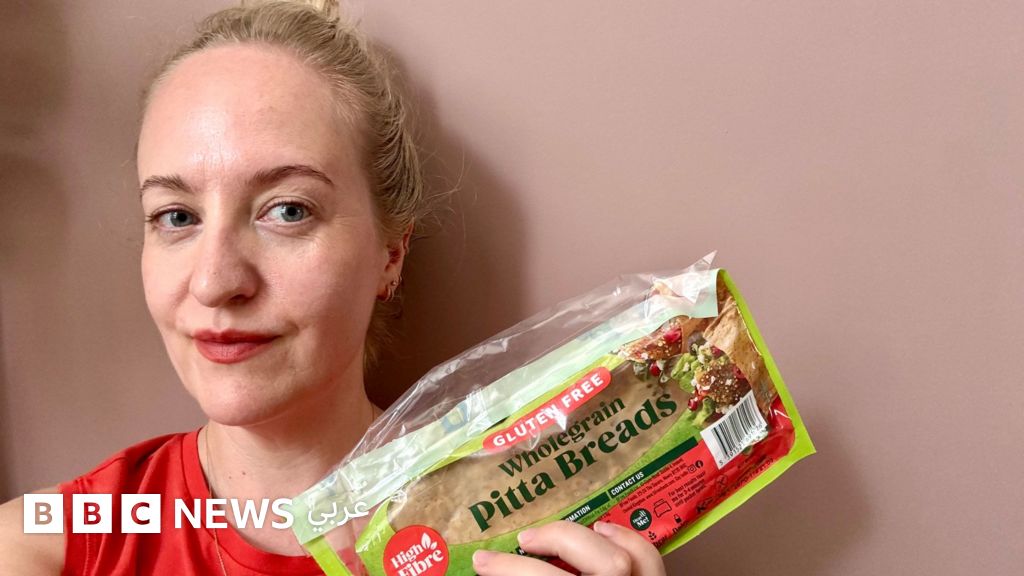
Image caption, Lauren Potts holds a bag of gluten-free pita bread
Article Information
Author, Lauren Potts
Published 8 hours ago
Reading time: 6 minutes
Can you really give up crispy bread and flaky croissants, and have to scan restaurant menus for a dish, any dish, you can eat? Yes, it's possible, but it requires planning. And for me, I wouldn't do it unless medically necessary.
So, whenever a friend tells me they're thinking of cutting out gluten to reduce bloating or lose weight, I encourage them to pause and reconsider.
What is the reality of quick 'summer' diets?
Are dietary supplements safe and effective?
I stopped eating wheat based on medical advice after it turned out to affect my irritable bowel syndrome (IBS) symptoms. Since then, my diet has been almost entirely gluten-free, which has helped me greatly control the symptoms.
Since then, I've met people who don't have any gluten-related health conditions but still choose a gluten-free diet, believing it to be a healthier option. Are they right? Is it worth all the effort?
Who really needs to avoid gluten?
I know from personal experience why completely avoiding gluten seems tempting. When your stomach hurts, you tend to look for a single cause to blame. But gluten isn't always the culprit.
Bahi Van de Bor, a registered dietitian and spokesperson for the British Dietetic Association, says the real benefit of a gluten-free or low-gluten diet is mostly limited to those with certain medical conditions.
At the top of the list are people with celiac disease, a chronic autoimmune disease with no cure, in which gluten damages the lining of the small intestine. Therefore, patients need to follow a strict diet that excludes all sources of gluten, including wheat, barley, and rye.
Symptoms of this disease range from diarrhea, constipation, bloating, and abdominal pain, and may also include low iron levels, skin inflammation, mouth ulcers, osteoporosis, and fertility problems.
Skip the Most Read and continue reading
'A meal I had during my holiday ended up with 38 parasites in my brain'
Ukraine strikes major oil depot in Russia's Saint Petersburg
Funeral music and 'selected verses': how social media covered Khamenei's farewell ceremony
Popular funeral procession for Khamenei in Iran more than four months after his killing
Some people may experience similar symptoms even though their tests do not indicate celiac disease. This condition is known as non-celiac gluten sensitivity.
The same applies to some people with irritable bowel syndrome (IBS), a condition that affects, according to Van de Bor, between 10 and 20 percent of people.
In these two cases, a low-gluten or gluten-free diet may help alleviate symptoms for some.
However, if there is a possibility you have celiac disease, it is important not to stop eating gluten before seeing a doctor, because that could make diagnosing the disease more difficult.
No proven health benefit
Image caption, The words 'gluten-free' appear on a package of linguine pasta for sale at a major supermarket in Princeton, Illinois, USA
Skip the podcast and continue reading
Worth a listen
In-depth analysis of the most important events and topics to help you understand the key changes around you and their impact on your life
Episodes
End of podcast
Van de Bor clearly states that following a gluten-free diet offers no proven health benefit unless there is a medical necessity.
She adds that many people mistakenly assume this diet is more nutritious or healthier, but that is not necessarily the case.
She warns that stopping wheat consumption, for example, may exclude important types of fiber and prebiotics, which are food components that help nourish beneficial gut bacteria.
Does eating protein help with weight loss?
She explains that wheat has unique properties, as it may help stimulate the growth of Bifidobacterium, a bacterium associated, in adults, with positive health outcomes for immunity, mental health, metabolic health, and weight control.
She explains that these particular bacteria feed on prebiotics and fiber found in wheat, meaning people without sensitivity to it can continue consuming its healthy sources, such as pasta and bread.
Van de Bor also notes that some gluten-free alternatives may contain additives and preservatives that can worsen symptoms in some people.
She says: 'I'm not saying all gluten-free pasta is ultra-processed food; it's a very important part of the diet for people who actually need to avoid gluten.'
She adds that many gluten-free products contain added fibers, such as chicory root and inulin. For people sensitive to these ingredients, this may lead to symptoms like diarrhea, constipation, or stomach pain.
Helpful for IBS
Van de Bor says reducing wheat intake may help some people with IBS manage symptoms. I experienced this personally, feeling significant improvement after stopping wheat on my dietitian's advice.
Van de Bor explains that wheat is rich in fructans, a type of carbohydrate that can cause problems for some IBS sufferers. In people sensitive to fructans, fermentation of these carbohydrates in the gut can lead to gas, bloating, and changes in bowel movements.
She says: 'Feeling some gas or bloating is a common part of normal digestion, but for people with IBS, it can be very uncomfortable and truly painful, and they may experience a large amount of gas.'
Van de Bor, who also has IBS and still eats some wheat, points out that it's not always about completely abstaining from it, but about managing symptoms and understanding each person's tolerance level.
She says: 'Wheat and gluten are often portrayed as the enemy, but IBS is a disorder related to the gut-brain axis, with multiple factors involved.'
She adds: 'The idea is to ask ourselves: Do I really need to give up all types of wheat? Or is it about balance? Do I need to change the kind of wheat I eat, and instead keep some good, fiber-rich bread in my diet?'
If you experience symptoms like bloating and gas, keeping a food and symptom diary and then consulting your doctor may help.
If you have to...
Original source: BBC Arabic

Comments (0)
Be the first to comment.