Earwax: A Promising Diagnostic Tool for Detecting Body Diseases
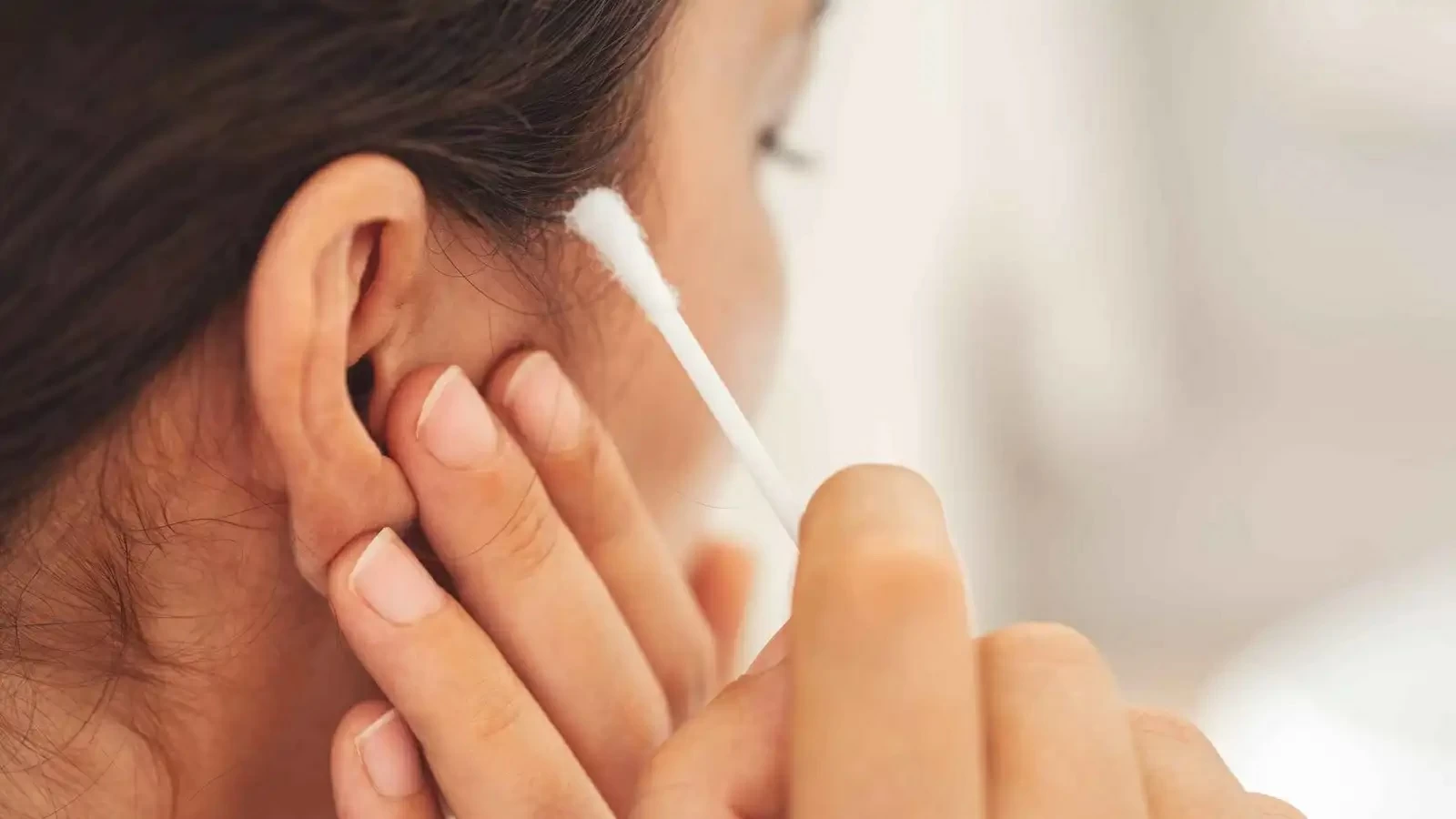
Recent research has revealed that earwax, long viewed as merely a natural secretion requiring cleaning, may become a promising diagnostic tool to help detect health disorders and systemic diseases, thanks to its content of chemical and biological compounds that reflect the body's condition.
Biological Fluid Rich in Information
According to a report published by the website "New Medical", researchers explained that earwax, or "cerumen", consists of secretions from sebaceous glands and shed skin cells, and contains a complex mixture of lipids, proteins, fatty acids, cholesterol, amino acids, and volatile organic compounds, as well as enzymes, hormones, and antibodies, making it a potential mirror of the body's health status.
The report also noted that modern techniques such as metabolomics and vibrational spectroscopy are beginning to reveal the possibility of using earwax to identify biomarkers for various diseases.
Genetic and Environmental Differences
Earwax is classified into two main types: wet and sticky, rich in lipids, and dry with a gray, brittle appearance. These variations are linked to a mutation in the ABCC11 gene and are also influenced by age, sex, health status, and certain diseases such as Parkinson's disease.
Earwax also contains an active microbiome comprising types of bacteria and fungi, and any disruption in this balance is directly reflected in the smell and chemical composition of the wax.
What Do Smell, Color, and Consistency Reveal?
Researchers confirmed that changes in the appearance of earwax may carry important medical indications, most notably:
- A burnt sugar smell may indicate maple syrup urine disease in newborns.
- Changes in volatile organic compounds may be associated with type 1 and type 2 diabetes.
- Excessive lipid accumulation may be linked to Parkinson's disease or psoriasis.
- Green wax may indicate an ear infection, while brown wax accompanied by red streaks suggests injury or possible eardrum perforation.
- Foul odor with yellow or green discharge may be a sign of malignant otitis externa, especially in patients with diabetes or weakened immune systems.
Promising Diagnostic Prospects
Although researchers emphasize that earwax cannot currently be used as an independent diagnostic tool, the findings suggest that it may become an important source of biomarkers in the future, contributing to the detection of diseases and infections in a non-invasive and more accessible manner.
Original source: Sabq




Comments (0)
Be the first to comment.