How to protect yourself from wildfire smoke and air pollution?
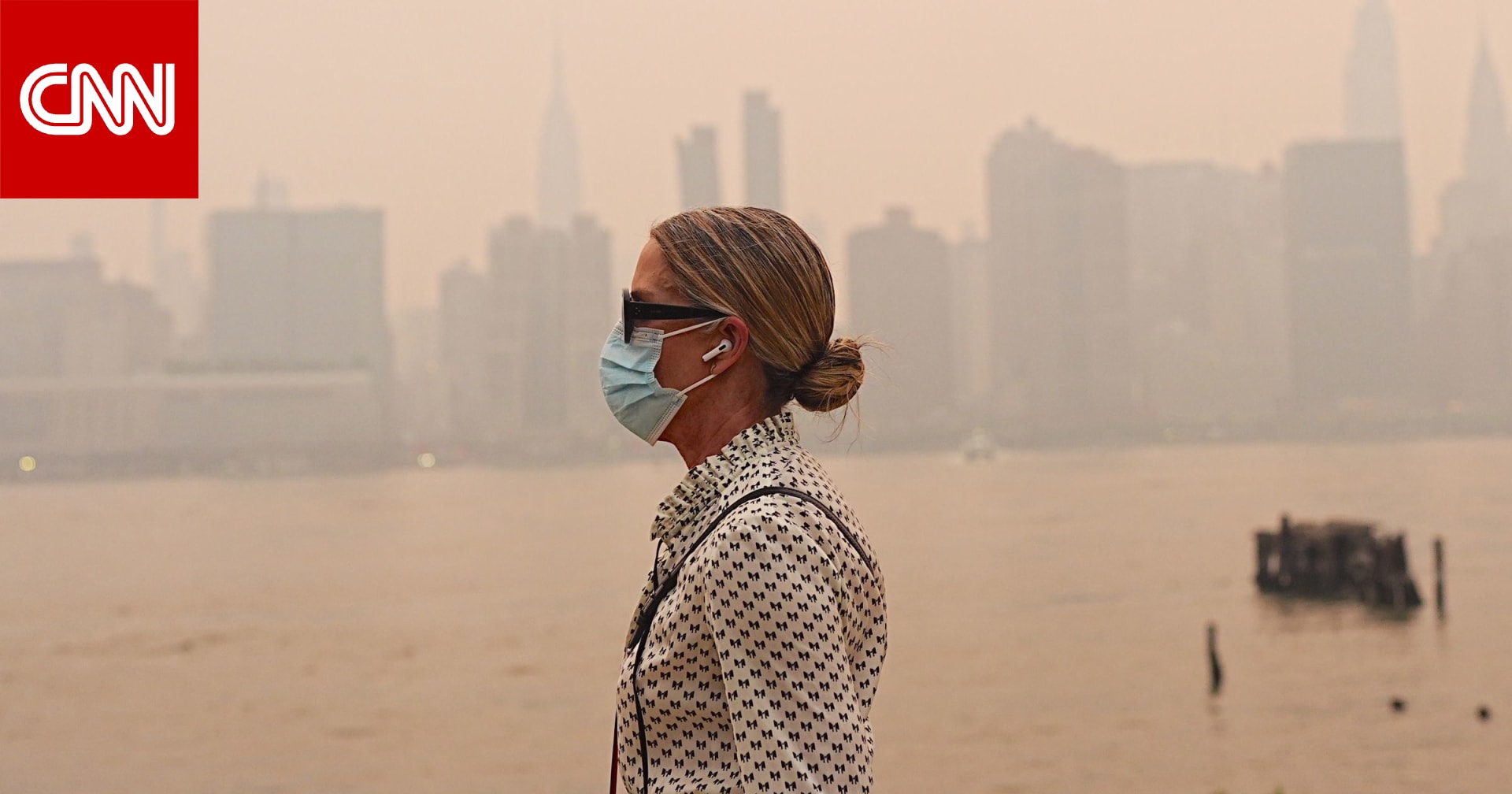
Millions of Americans and Canadians are currently breathing poor-quality air due to wildfire smoke. Here's what you need to know about masks, ventilation, and staying healthy.
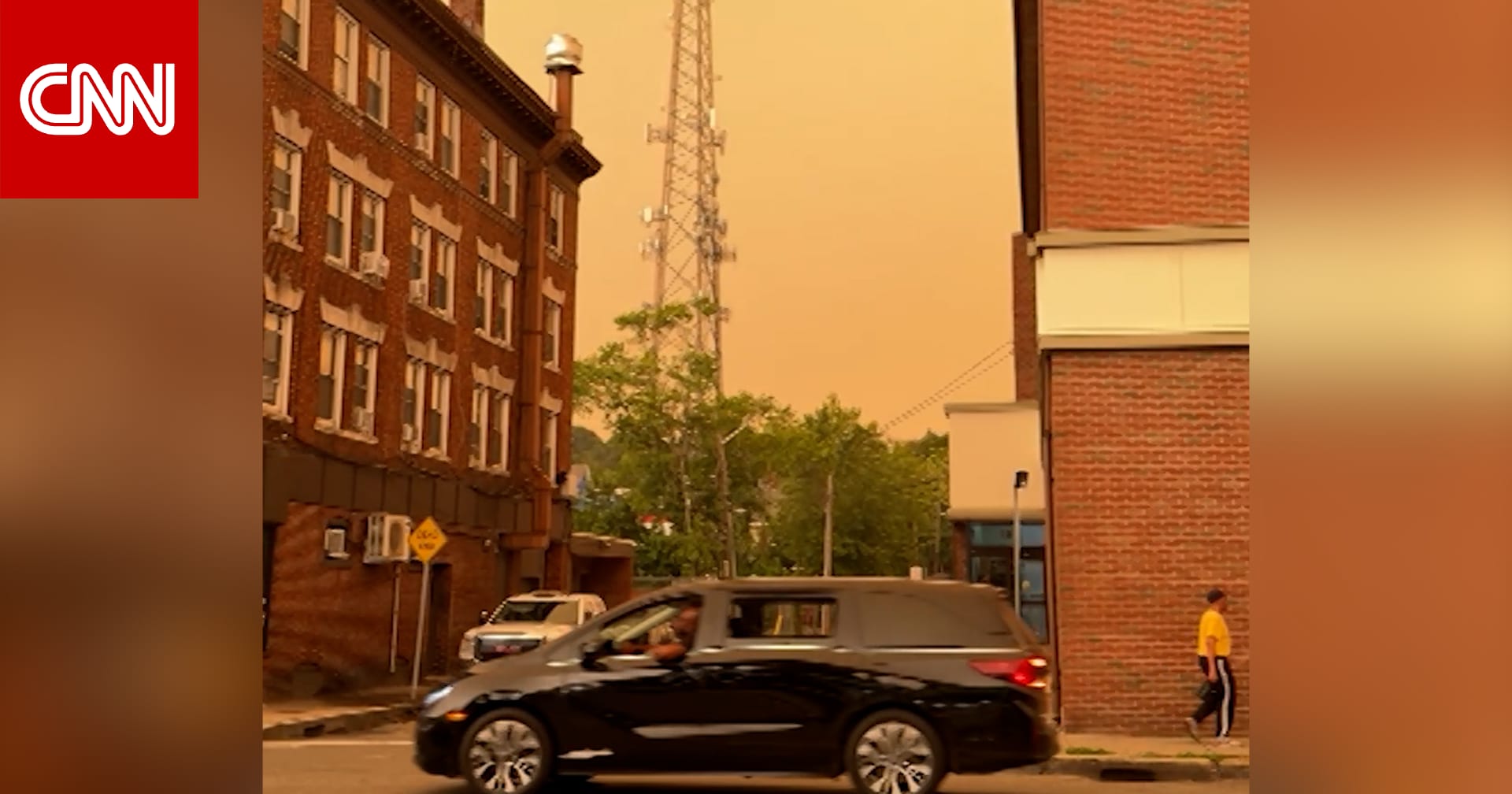
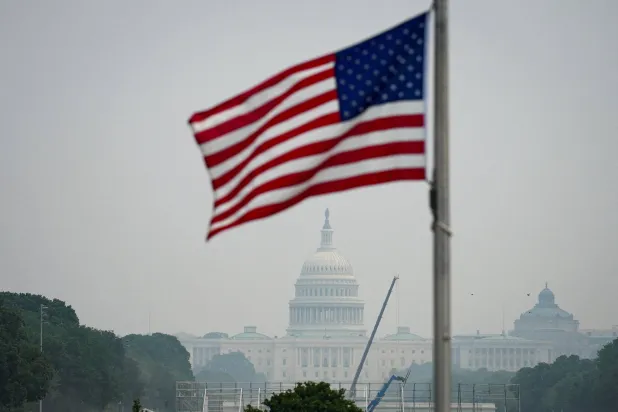
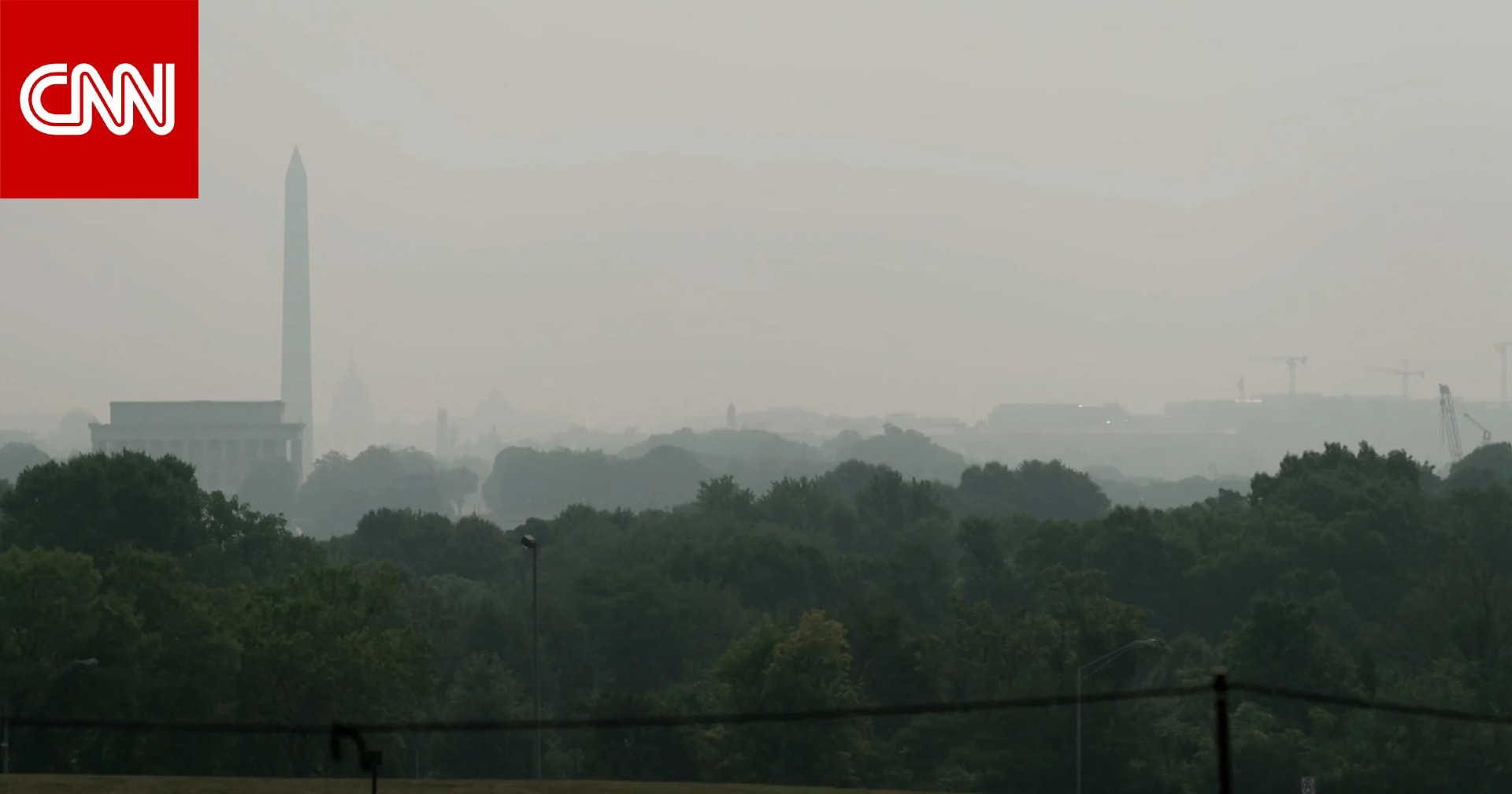
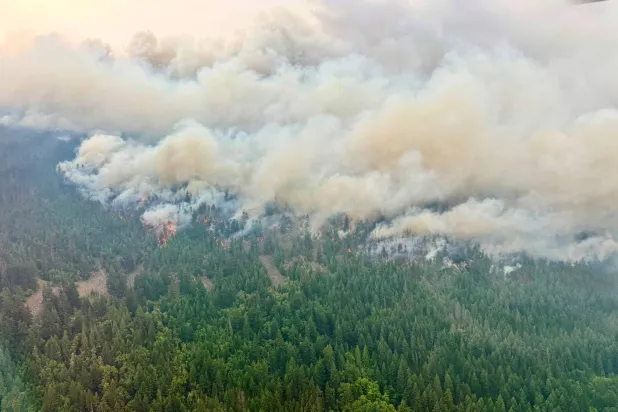
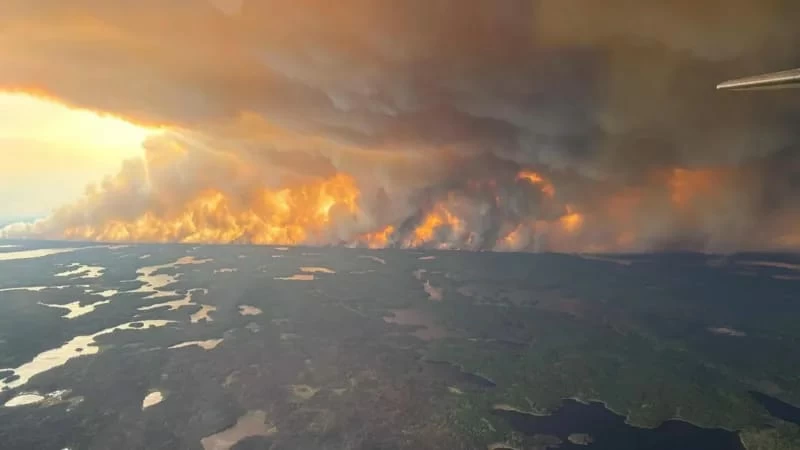
(CNN) -- Millions of people in the United States and Canada are currently experiencing deteriorating air quality due to thick smoke from wildfires in Canada, as well as other fires that broke out in northern Minnesota.
The spread of this smoke has led to widespread air quality warnings, making health precautions essential, especially for people living in affected areas.
Wildfire smoke consists of a dangerous mixture of gases and very fine particles, the most dangerous of which are particles known as PM2.5, microscopic particles smaller than the diameter of a human hair.
These particles can penetrate deep into the lungs, and even enter the bloodstream, increasing the risk of respiratory and cardiovascular diseases in both the short and long term. Therefore, doctors emphasized that the best way to protect yourself is to minimize exposure to smoke as much as possible.
Monitoring Air Quality
Before leaving home or planning any outdoor activity, it is recommended to check the air quality index using dedicated apps or websites. If the index shows unhealthy or hazardous air quality, it is best to postpone outdoor activities and stay indoors.
Pulmonologists warn that the impact of smoke is not limited to patients; even healthy individuals may experience shortness of breath, eye and nose irritation, coughing, and fatigue when exposed to this type of pollution.
Make Your Home a Safe Haven
If you are at home, close all windows and doors tightly, and turn on the air conditioner while ensuring that outside air does not leak in, especially if you have a window or wall-mounted air conditioner.
You should also maintain proper ventilation inside the home using an air conditioning system with a high-quality filter. High temperatures increase the concentration of suspended particles in the air, making smoke inhalation more dangerous.
Using Air Purifiers
Experts recommend using air purifiers equipped with a HEPA filter, capable of removing at least 99.97% of fine particles, including smoke, dust, and pollen.
If your home is large, you may need more than one air purifier, or designate a single room with a purifier and keep it closed to maintain cleaner air.
If an air purifier is not available, you can make a simple, low-cost device using a box fan with MERV 13 filters, a solution proven effective in reducing airborne particles indoors.
Additional Indoor Measures
If you suffer from asthma or chronic lung disease, using hypoallergenic pillows and covers may help reduce exposure to household irritants such as dust and pet dander.
It is also recommended to avoid household chores that stir up dust, such as sweeping or vacuuming carpets, as this increases the amount of particles in the indoor air.
When cooking, it is preferable to use a microwave or turn on the kitchen exhaust fan, while avoiding outdoor grilling, because smoke from cooking can increase surrounding air pollution.
Limiting Outdoor Activity
During days when the air is heavily polluted, try to minimize your time outdoors as much as possible. It is best to keep a stock of drinking water, non-perishable foods, and necessary medications.
If you have pets, make sure to provide extra food and reduce their time outdoors as much as possible.
The Importance of Wearing Masks
If you must go out, use a well-fitting N95, KN95, or P100 respirator, as they provide effective protection against the fine particles in wildfire smoke.
Cloth or standard surgical masks do not provide adequate protection against these particles.
Also provide appropriate masks for children, ensuring they fit the face snugly.
Preparing for Breathing Problems
If you have asthma or chronic obstructive pulmonary disease, make sure to carry your regular medications, a rescue inhaler, and any other treatment devices you use, such as a nebulizer.
Seek medical attention immediately if symptoms such as:
Severe shortness of breath.
Chest pain.
Dizziness or fainting.
Blue lips or face.
Allergy symptoms may also worsen, such as itchy eyes, runny nose, and skin irritation, so allergy medications may be helpful for some people.
Doctors advise keeping your asthma inhaler always close at hand, whether in your bag, pocket, or by the bedside, to use it quickly when needed.
If You Have to Drive
If you need to drive in areas affected by smoke, close all windows completely and use the vehicle's recirculation mode to prevent polluted air from entering.
It is also good to keep drinking water, light snacks, a portable battery, and extra charging cables in the car in case of emergencies.
If You Have to Travel
If you are traveling, it is better to wear prescription glasses instead of contact lenses, as smoke can cause severe eye irritation. It is also advisable to carry lubricating eye drops to reduce dryness.
And don't forget to bring enough medication to last at least a week, especially if you are flying, and keep medications in your carry-on to avoid any issues in case of delayed luggage.
Do Not Underestimate Air Quality
Doctors stress that days with high levels of air pollution are not suitable for long walks, exercise, or visits to parks. Even healthy individuals can suffer health complications from inhaling wildfire smoke.
Therefore, monitoring air quality daily, staying indoors when warnings are issued, and using appropriate protective measures are all simple yet effective steps to reduce health risks and protect the respiratory system until weather conditions improve and air returns to normal levels.
Original source: CNN Arabic
Comments (0)
Be the first to comment.