Network smuggling human placentas seized... What's its link to anti-aging injections?
A criminal investigation in Pakistan has revealed allegations of human placentas being smuggled from hospitals for use in anti-aging treatments. But the case reveals a much bigger story: a fast-growing global market built on a temporary organ usually discarded after birth.
Network smuggling human placentas seized... What's its link to anti-aging injections?
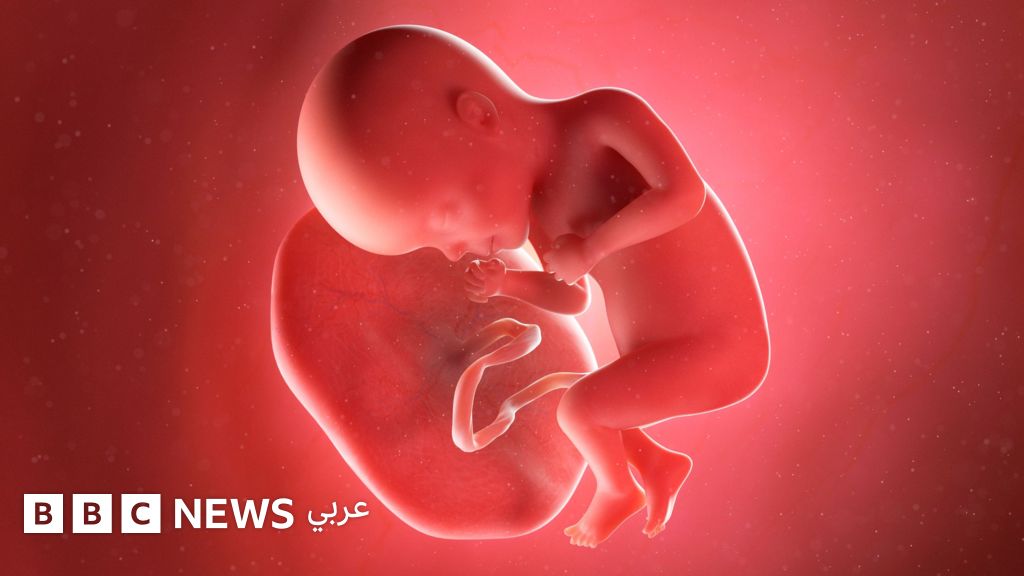
Image caption, The placenta is a temporary organ that forms inside the uterus during pregnancy and supports the life of the fetus inside the womb.
Article Information
Author, Asad Sohail and Author, Shahzad Malik Role, BBC News Urdu
Published 7 minutes ago
Reading time: 7 minutes
Warning: This article contains graphic images of human tissue.
A network suspected of smuggling human placentas from hospitals for use in the manufacture of anti-aging injections is under investigation in Pakistan.
The Pakistani Federal Investigation Agency has charged members of the network with buying around 200 kilograms of placentas from various hospitals each month.
The agency told BBC News Urdu that network members dry and process the placentas before shipping them abroad.
During a raid in the capital Islamabad at the end of last month, officials found 500 kilograms of what is believed to be human placentas inside an illegal processing facility and arrested five people.
Photos released by the agency show trays of dried placentas placed on trolleys inside a house that it said was "turned into a facility for storing and processing placentas".
Rare case of woman who gave birth to twins from different fathers
Eating disorders: a hidden and complex battle women face during pregnancy, what's the story?
Image caption, The penalty for removing human organs for commercial purposes in Pakistan is up to ten years in prison.
Hina Kanwal, an official at the Human Organ Transplantation Authority in Pakistan, told BBC News Urdu that the five suspects were paying hospitals in Islamabad and Rawalpindi about $2.90 per placenta, stressing that this could not have happened without the complicity of hospital administrations.
The Federal Investigation Agency says the placentas were exported abroad for use in manufacturing anti-aging injections, each costing up to about $2,530.
Kanwal explained that the demand for human placentas is high in cosmetic surgery, but buying or selling them is illegal in Pakistan.
Those convicted of collecting human organs for commercial purposes face a prison sentence of up to 10 years, in addition to a fine of up to $3,600.
The Federal Investigation Agency says the network's activity extends to other major cities, including Lahore and Peshawar. The agency is also investigating immigration officials, waste management companies, and hospitals on suspicion of possible involvement or collusion in these activities.
Image caption, The suspects claimed the placentas came from sheep.
A Federal Investigation Agency official told BBC News Urdu that the agency has previously taken several actions against illegal human organ transplants, but this is the first time it has dealt with "an organized and cross-border network trading in human placentas".
He added that the five suspects initially claimed they were dealing with sheep placentas, before confessing, after further questioning, that they were human placentas.
In a separate incident, Federal Investigation Agency officials at Islamabad International Airport seized a 100-kilogram shipment of human placentas destined for Vietnam, where the use of human placentas in products is banned, while animal placentas are allowed.
So far, the Federal Investigation Agency has arrested nine people suspected of being involved in the human placenta trade, and they remain in custody.
Image caption, Quantities of human placentas were seized during the raid.
Dr. Sadaf Tariq, a gynecologist and obstetrician in Pakistan, says that the disposal of the placenta is subject to strict regulations, as it is classified as "highly infectious medical waste".
She explained to BBC News Urdu that the placenta is separated from the body immediately after birth, then placed in a yellow bag designated for hazardous biological waste, clearly marked to indicate it contains a placenta.
She added: "It is then transferred from the delivery room or operating room to the central cooling room in the hospital," to prevent its decomposition and the emission of unpleasant odors.
Tariq noted that the placenta should not be kept for more than 24 hours.
She said: "After that, all pathological waste, including the placenta, is disposed of according to approved medical procedure, by incineration in incinerators designated for medical waste." She added: "The same method is followed in government and private hospitals."
Tariq explained that government-approved waste management companies handle this task. When hospitals hand over these materials to the companies, each delivery is recorded, and the relevant authorities review these records periodically.
Traditional medicine uses
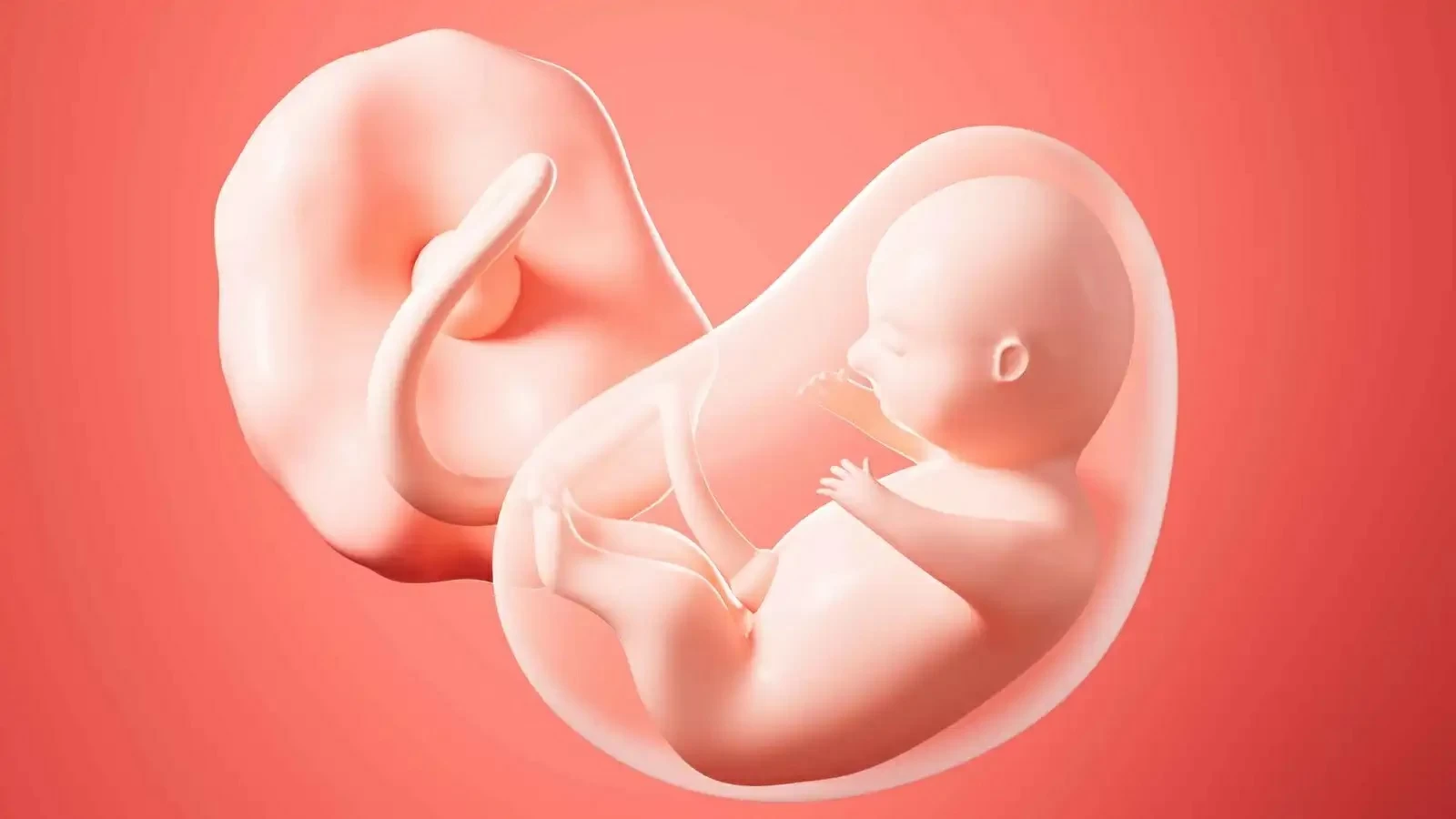
The placenta is a temporary organ that forms inside the uterus during pregnancy and plays a vital role in supporting the life and growth of the fetus.
It is connected to the fetus via the umbilical cord, supplying it with oxygen and nutrients while also removing waste products from metabolism.
In a natural birth, the placenta is expelled through the birth canal shortly after the baby is born, while in a cesarean section, doctors remove it surgically.
Image caption, Obstetricians and gynecologists warn that mothers consuming their placentas without processing may transmit viruses to their infants through breastfeeding.
However, some people believe that the placenta, containing proteins, iron, and fats, may be nutritionally beneficial for adults. Placenta extracts have also been used in traditional medicine in several cultures for centuries.
According to Polaris Market Research, based in the United States, the current value of the legal global market for placenta products exceeds $700 million, and is expected to rise to more than $1.4 billion by 2034.
The company says this growth is driven by increasing demand for extracts from pig, sheep, and horse placentas, as well as human placenta.
Nitin Tampi, senior analyst at Polaris, said: "The importance of the placenta is no longer limited to its primary role during pregnancy; it has become a prominent element in the fields of medicine and science."
He added: "From infant nutrition to contributing to the development of medical treatments and cosmetic innovations, the potential uses of the placenta are continuously expanding."
Image caption, A semi-dried human placenta with the umbilical cord attached.
Skip podcast and continue reading
In-depth explanation of the most important events and topics, to help you understand the key changes around you and their impact on your life
Episodes
End of podcast
Ironically, given the placenta's primary function of supporting life in its early stages, many products derived from it are used to target age-related conditions, including:
Wrinkles
Hair loss
Menopause
Infertility
Arthritis
The placenta, which contains large amounts of female hormones such as estrogen and progesterone, is used in the manufacture of several medications. Some people also turn to products derived from it to treat postpartum depression.
Original source: BBC Arabic





Comments (0)
Be the first to comment.