Sardines and Skin... A Successful Love Affair Acknowledged by Science
The sardine trend is taking over social media and supermarket shelves. Does the secret to glowing skin really lie in the small fish can?
The sardine can, often categorized as 'poor people's food' or avoided by some due to the smell of its contents, might just hold the key to perfect, blemish-free skin.
This is at least what the 'sardine trend' suggests, which is sweeping social media, leading in some countries to the product disappearing from markets and forcing one of the largest American retailers to ration sales, limiting purchases to no more than two cans!
Some American stores were forced to ration sales due to the product shortage (Pixels)
36 hours of sardines
The small oil-soaked fish has never been as famous as it is now. Many headlines appear, with the most prominent being 'sardine glow,' promising that consuming it in abundance can give the skin unprecedented radiance, along with many other health benefits.
On TikTok alone, videos related to sardines have garnered hundreds of millions of views. One particularly popular wave is 'sardinemaxxing,' which involves eating as many sardines as possible. Influencers behind this theory recommend consuming a thousand sardines a month, or eating only sardines for 36 hours.
A sardine can or a painter's canvas?
It is true that sardines have many health benefits, but they are not solely responsible for the trend. Additional reasons for the popularity of the 'poor man's fish' include a collective awareness of the drawbacks of processed foods. Sardines are among the least processed canned foods as they contain no sugar, no added salts, and no added fats. This contributed to their popularity, along with their low price and ease of consumption. Then the new obsession with protein doubled their popularity.
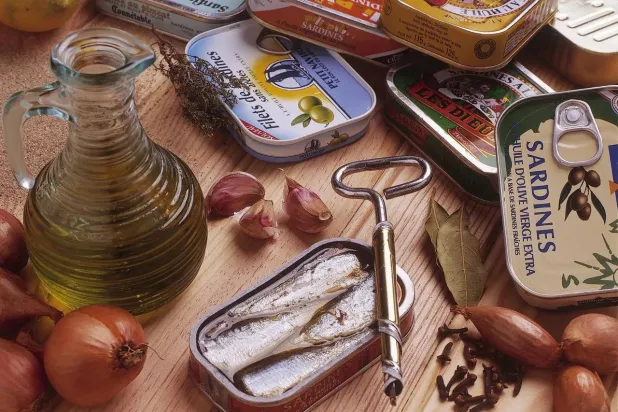
What should not be underestimated at all is the attractive and elegant packaging that now characterizes most sardine cans. The small, dark, strong-smelling fish resides in a can with colorful designs that rival works of art. This tradition originated in Portugal and Spain, which are among the leading exporters of gourmet sardines.
Some sardine cans are decorated with appealing drawings and designs (AP)
Sardines... a health treasure
Sardines are rich in nutrients, foremost among them omega-3 fatty acids, vitamin D, vitamin B12, iodine, and selenium. They are also a primary source of protein. According to the US National Institutes of Health, this small fish has significant effects on skin health in particular. The magical ingredients that provide radiance and youth are zinc, taurine, calcium, and magnesium—all elements and minerals that fight inflammation, strengthen the skin's moisture barrier, and help with cell regeneration.
* Omega-3
The omega-3s in sardines are anti-inflammatory and aid in wound and scar healing. Studies indicate that these fatty acids help protect the skin's natural collagen against UV rays. This results in delaying the appearance of wrinkles, sagging, and other signs of aging. Omega-3s also help the skin retain moisture.
* Vitamin D
Vitamin D plays a key role in skin health and radiance. Its benefits include, but are not limited to: boosting immune function, helping combat skin infections, aiding cell regeneration, reducing inflammation, and stimulating collagen production.
* Vitamin B12
One can of sardines contains 7 to 9 micrograms of vitamin B12, which is more than 300% of the recommended daily intake for adults, which is 2.4 micrograms.
Vitamin B12 is a powerful antioxidant that supports the skin barrier and helps protect it from UV damage. A deficiency in vitamin B12 can lead to hyperpigmentation, vitiligo, acne, and eczema.
Sardines contain omega-3s, iodine, vitamins, and minerals (AFP)
* Other minerals in sardines
Selenium fights the damage caused by sun exposure on the skin and delays the appearance of aging signs. Iodine in sardines helps the skin resist harmful germs, repair scars, and maintain moisture. Zinc helps combat acne, reduce redness, block UV rays, and control oil production.
Every 100 grams of sardines contains between 70 and 300 milligrams of taurine. This component plays a key role in activating skin cells, enhancing hydration, protecting against pollution, and most importantly, reducing wrinkles. The calcium and magnesium in sardines work together to maintain skin moisture and reduce oil secretions.
Sardines help protect and maintain youthful skin (AFP)
How many cans of sardines per week?
The nutrients in sardines support the influencers' theory that they give the skin a new birth, but this does not mean it is a substitute for daily skincare through drinking water, proper sleep, and using sunscreen.
Despite its many health benefits, it is not recommended to go to extremes in consumption, such as eating a thousand sardines a month or following a sardine-only diet. Three cans of sardines per week as part of a varied diet is more than sufficient. As for the positive effects on the skin, patience is required to see them, as clinical trials have shown that the difference does not appear before one to three months of daily sardine consumption.
Sardines... varying prices
There is a sardine price for every consumer's budget, as the cost of one can can range from $1 to $15. Prices vary based on the country of origin, fishing method, and thus fish quality.
Premium brands use carefully selected small sardines, packed by hand in high-quality olive oil and natural ingredients. Cheaper brands use older fish packed in plain water or unhealthy oils.
The quality of the fish and the preserving ingredients determine the price of sardines (Asharq Al-Awsat)
How to choose the best?
Once heavy salts, unhealthy oils, and sweetened sauces are added to sardines, the fish loses much of its nutritional value. Therefore, it is recommended to avoid sardines preserved in tomato sauce, barbecue sauce, or those soaked in soybean or cottonseed oil, and also to stay away from brands that add too much sodium.
The safest option remains sardines canned in extra virgin olive oil or water, and the preference is for sardines that still have their small bones, which are completely safe to eat.
Original source: Asharq Al-Awsat





Comments (0)
Be the first to comment.