Starting April 2027: England to Ban Minors from Buying High-Caffeine Energy Drinks
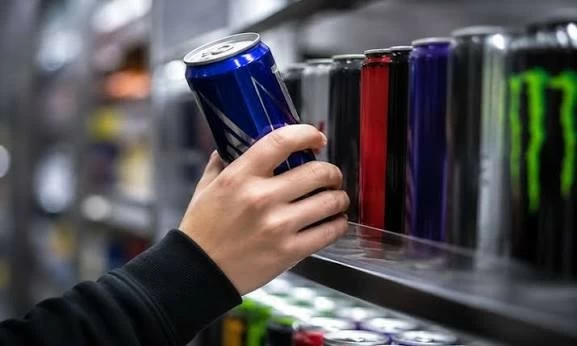
The British government has announced a ban on the sale of high-caffeine energy drinks to children under the age of sixteen in England, effective from April 2027, in a move aimed at protecting children's health and reducing the negative effects associated with excessive caffeine consumption.
The government stated in a statement that the decision will include all points of sale, including stores, vending machines, and online shopping platforms, while excluding business-to-business sales transactions.
Official estimates indicate that around 100,000 children in England consume high-caffeine energy drinks daily, while scientific evidence links these drinks to sleep disorders, anxiety, and poor concentration, in addition to their negative impact on physical and mental health and academic performance.
Public Health Minister Sharon Hodgson confirmed that high-caffeine energy drinks "have no place in the hands of children," noting that the government seeks through this decision to limit children's easy access to products that may harm their health and well-being, as part of its plan to build "the healthiest generation."
Under the new legislation, the sale of any drink—except for tea and coffee—that contains more than 150 milligrams of caffeine per liter will be prohibited, with retailers required to verify the ages of purchasers, while local authorities will be responsible for enforcing the law and monitoring compliance.
The government clarified that violators will face fines of up to £2,500, and the legislation will be presented to Parliament for final approval before coming into effect in April 2027.
For her part, Education Minister Olivia Bailey stated that the decision will help protect children from products that negatively affect their health and ability to concentrate in classrooms, emphasizing that it comes alongside wide-ranging reforms to school nutrition programs, the first in over a decade, aimed at providing healthy and balanced meals for children.
The decision has been widely welcomed by public health organizations and nutrition experts, who consider it an important step in reducing health problems associated with energy drinks, such as anxiety, sleep disorders, tooth decay, and high blood pressure, as well as their impact on academic performance and mental health.
The government noted that the decision came after public consultations that lasted from September to November 2025, involving 1,095 individuals and organizations, including representatives from the business sector, public health organizations, regulatory bodies, and members of the public, where most participants expressed their support for imposing age restrictions on the sale of these products.
This measure is part of a broader package of government policies aimed at improving children's health and combating obesity, which includes expanding the sugary drinks tax, launching programs to supervise preschool children's dental hygiene, and imposing restrictions on the marketing and display of unhealthy foods in stores and advertisements targeted at children.
Original source: Okaz



Comments (0)
Be the first to comment.