Study: Simple Blood Test Helps Monitor Cancer Patients
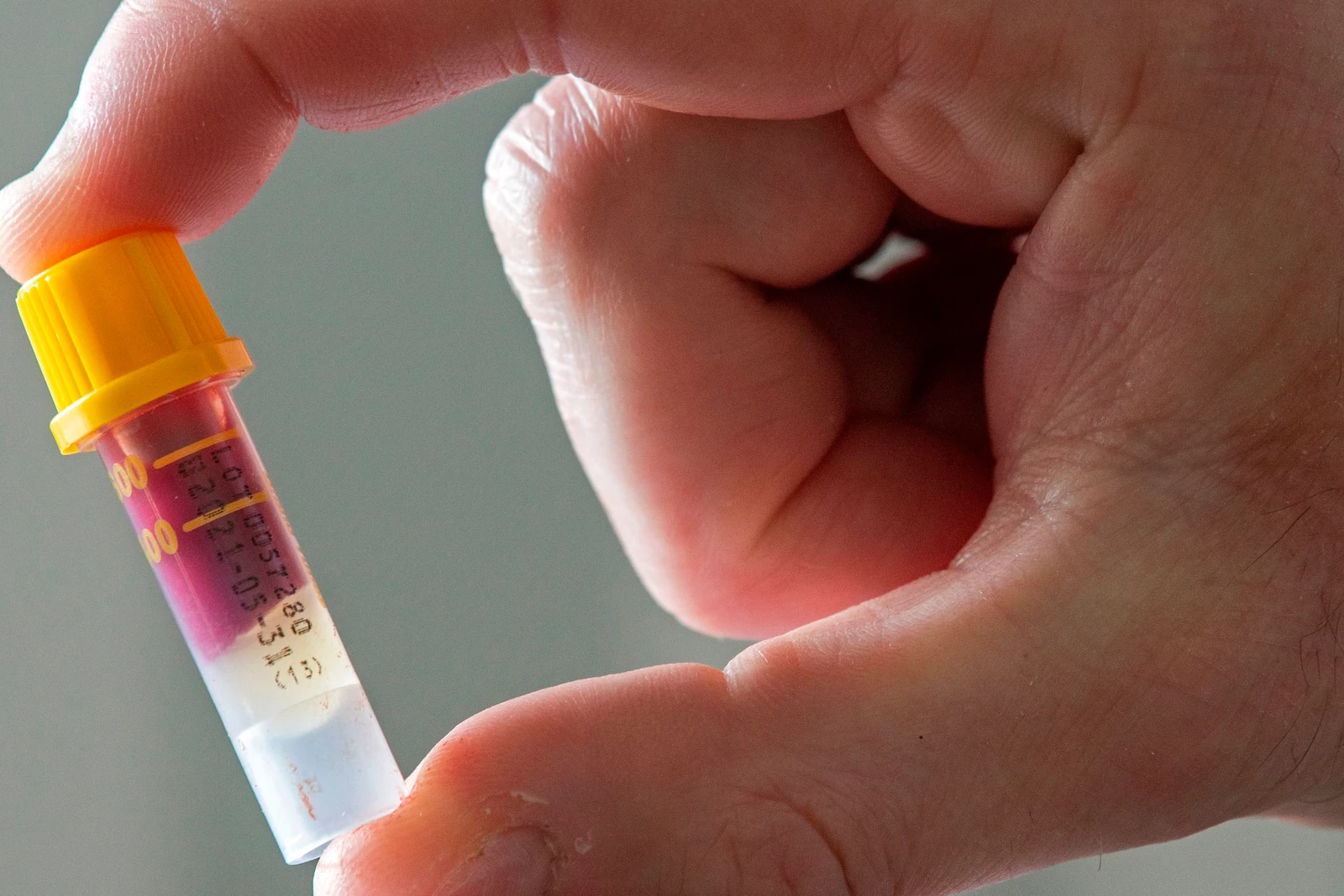
A new scientific study has revealed that a simple finger-prick test measuring what is known as the glucose-ketone index (GKI) provides a clearer picture of metabolic health and is a practical way to monitor the metabolism of patients with cancer and other chronic diseases, which may help doctors more accurately assess patients' response to treatments and dietary interventions.
The test helps patients with heart disease and diabetes
The researchers explained, according to Medical News Today, that the test measures the ratio between blood glucose levels and ketone bodies using a small sample taken from the fingertip, which helps assess the extent of the body's transition to a state of 'nutritional ketosis,' associated with improved energy production within cells and enhanced mitochondrial efficiency.
The study team pointed out that mitochondrial dysfunction is linked to many non-communicable diseases, such as cancer, heart disease, type 2 diabetes, obesity, and neurodegenerative diseases, making the potential index a tool for monitoring metabolic status and patients' response to health interventions such as diet, fasting, and physical activity.
Despite the promising results, the researchers emphasized that the test is not a diagnostic or therapeutic tool at present, stressing the need for large-scale clinical studies to verify its accuracy, determine target values for each disease, and assess its ability to predict disease risks or treatment response.
For his part, Thomas Seyfried, professor of biology at Boston College, said that the glucose-ketone index could become a useful clinical tool that reflects metabolic health in the body more comprehensively than measuring sugar or weight alone.
Original source: Akhbaar24





Comments (0)
Be the first to comment.