Supplements marketed as 'oral sunscreen'... What do studies say?

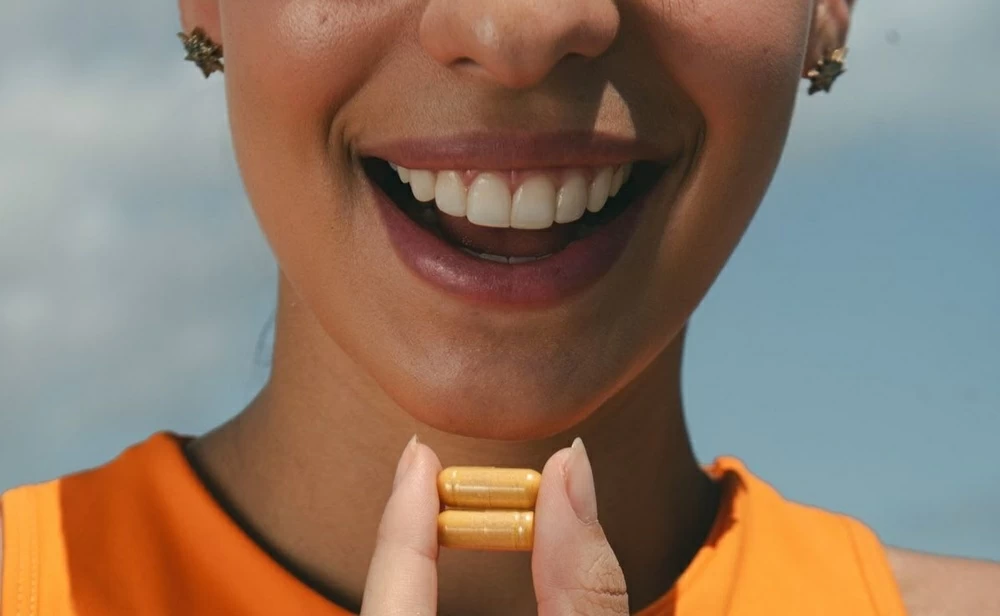
With increasing interest in skin care, dietary supplements have appeared in the market promoted as able to protect the skin from sun damage, to the point that some are known as 'oral sunscreen'. However, dermatologists stress that these products, despite their potential benefits, cannot replace traditional sunscreens or substitute for known prevention methods, according to Health website.
What are 'sunscreen' pills?
The supplements, sometimes called 'oral sunscreens', contain a mix of vitamins, minerals, and carotenoids, which are natural pigments, as well as polyphenols, plant compounds known for their antioxidant properties.
Extract of the fern Polypodium leucotomos, a type of fern native to Central and South America, is the most common ingredient in these products.
Dr. Asmi Berry, a dermatologist in Los Angeles, explains that these supplements may also contain other ingredients, including:
- Niacinamide, a form of vitamin B3, believed to help repair DNA damage caused by UV exposure.
- Astaxanthin, a natural antioxidant found in some algae, may help neutralize free radicals.
- Lycopene, an antioxidant plant compound believed to boost the skin's natural defenses against UV rays.
Since these products are classified as dietary supplements, they are not regulated by the U.S. Food and Drug Administration (FDA) in the same way as drugs.
What are the potential benefits of these supplements?
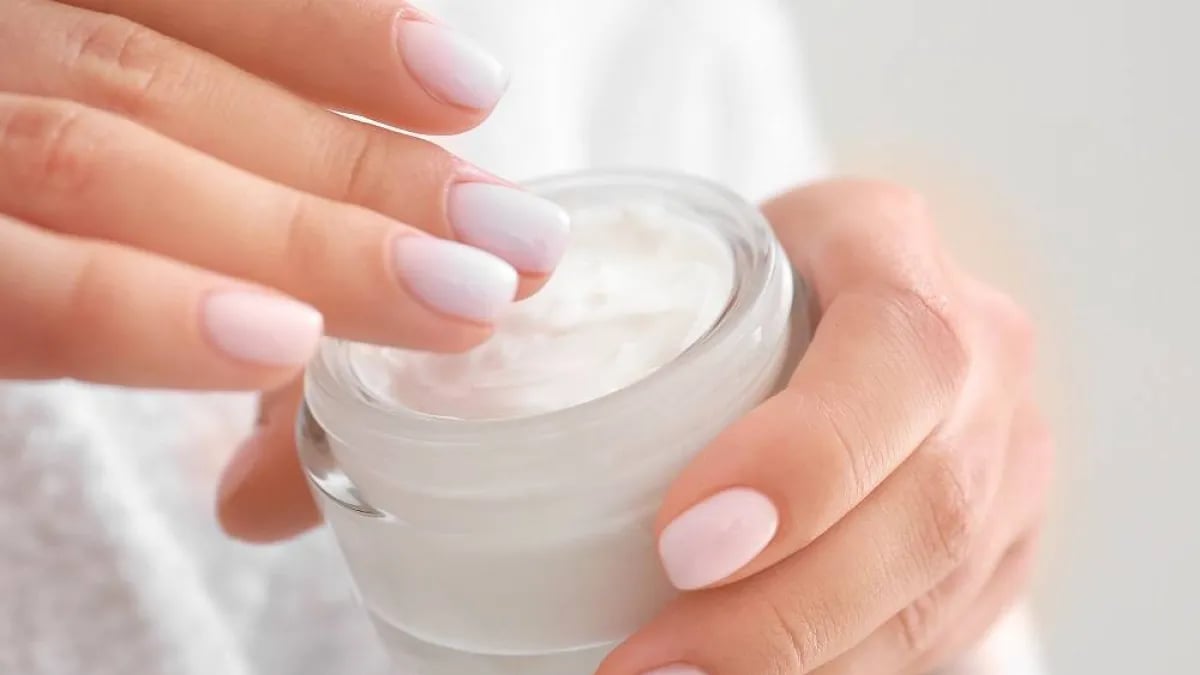
Dermatologists emphasize that these supplements should not replace topical sunscreen.
Dr. Asmi Berry told Health: 'Using sunscreen with SPF remains essential.'
Although there have been a number of studies investigating the effect of these supplements, scientific evidence remains limited, making it difficult to determine their effectiveness accurately. Berry notes that Polypodium leucotomos extract is the most studied ingredient for sun protection.
Research has shown that this extract has antioxidant and anti-inflammatory properties, which may contribute to partial protection from UV rays by neutralizing free radicals generated by sun exposure.
In this context, Dr. Elizabeth K. Hale, assistant professor of dermatology at NYU Langone Medical Center, said these properties may give the extract 'a protective effect against UV rays by neutralizing free radicals, an effect that topical sunscreens do not provide in the same way.'
What did the studies show?
In a study published in 2015, 20 people took 240 mg of Polypodium leucotomos extract twice daily for 60 days, while 20 other participants took a placebo.
The results showed that participants who received the placebo were more likely to develop additional sunburns compared to those who took the fern extract supplement.
However, Dr. Berry notes that this study, like many others on this supplement, was limited in the number of participants, while other research was confined to animals or laboratory experiments, which limits the generalizability of the results.
Dr. Hale emphasizes: 'More studies are needed before reaching any conclusive statements about these products' ability to protect from the sun. We still do not have definitive answers about the effectiveness of oral dietary supplements in preventing UV damage.'
Can they be relied upon instead of sunscreen?
Experts agree that these supplements do not provide sufficient UV protection to replace traditional sunscreens.
Dr. Hale stresses that oral dietary supplements do not offer a level of protection that would allow them to be used alone as an effective means of sun protection.
Dr. Berry adds that the biggest concern about these products is that they may give some people a false sense of security, leading them to think they no longer need to use sunscreen or follow other protective measures, which could increase the risk of UV damage.
For this reason, many dermatologists avoid using the term 'oral sunscreen' when discussing these supplements, so as not to imply that they play the same role as topical sunscreens.
Read also
Original source: Asharq Al-Awsat




Comments (0)
Be the first to comment.