Weight Loss Drugs Open Hope for Treating Binge Eating Disorder
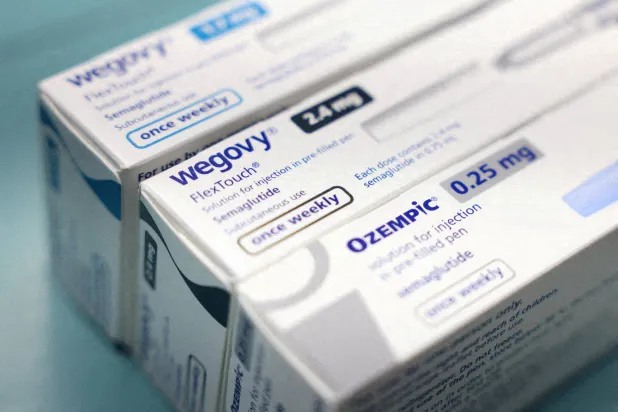
A large scientific study has shown that weight loss drugs may represent a promising treatment option for people suffering from binge eating disorder.
Vitamin B12 deficiency is common in adults over the age of 50 due to decreased stomach acid needed for absorption. Ignoring symptoms can lead to irreversible nerve damage, cognitive problems, and anemia. Early red flags include severe fatigue, numbness in the extremities, memory loss, and a swollen tongue.
What is vitamin B12?
Vitamin B12 is an important nutrient that helps the body maintain healthy nerve cells and red blood cells, and also helps the body produce DNA.
The body does not produce vitamin B12 on its own, so it must be obtained from foods and drinks rich in it. Vitamin B12 is mainly found in animal products such as fish, meat, dairy products, and eggs. It is also found in fortified foods (foods to which vitamins and minerals have been added), such as cereals, bread, plant-based milk, and nutritional yeast.
Adults need about 2.4 micrograms (mcg) of vitamin B12 daily, while pregnant or breastfeeding women need more. The needs of infants and children vary by age, according to the Cleveland Clinic health website.
What is vitamin B12 deficiency?
Vitamin B12 deficiency, sometimes called cobalamin deficiency, occurs when the body does not get enough of this vitamin or does not absorb it sufficiently from food. Vitamin B12 is an important nutrient that helps the body produce red blood cells and DNA, the genetic material in all body cells. It is essential for body functions. If left untreated, vitamin B12 deficiency can cause physical, neurological, and psychological problems.
Complications of vitamin B12 deficiency
Memory loss associated with vitamin deficiency can mimic early stages of dementia, making early diagnosis crucial. Here are the most prominent signs that appear after age 50:
Peripheral neuropathy:
A feeling of numbness and tingling like 'pins and needles' in the hands and feet, along with muscle weakness and balance problems.
Cognitive decline:
Memory problems, difficulty concentrating, severe mood swings, and in some cases memory loss.
Chronic fatigue:
Constant exhaustion due to the body's inability to produce enough red blood cells to transport oxygen.
Changes in the tongue and mouth:
Inflammation of the tongue causing it to become red and smooth, or the appearance of painful sores and dryness at the corners of the mouth.
Pale skin:
Slight yellowing of the skin or paleness of the whites of the eyes due to the breakdown of red blood cells.
Causes of vitamin B12 deficiency
Vitamin B12 deficiency occurs if you do not get enough of it in your body or if your body does not absorb it properly. Conditions that may lead to vitamin B12 deficiency include:
Vitamin B12 deficiency in the diet: People who do not consume enough foods rich in vitamin B12, or who do not eat fortified foods, may develop a deficiency.
Gastritis: Gastritis is an inflammation of the stomach lining, and it is a common cause of vitamin B12 deficiency. It can cause deficiency due to a lack of hydrochloric acid in the stomach, which is necessary for vitamin B12 absorption.
Pernicious anemia: People with pernicious anemia do not produce intrinsic factor, which is necessary for vitamin B12 absorption. Consequently, they suffer from vitamin B12 deficiency.
Gastrointestinal diseases: Diseases affecting the digestive system, such as Crohn's disease and celiac disease, can prevent the body from fully absorbing vitamin B12.
Surgery: People who have undergone gastrointestinal surgery, such as gastric bypass surgery, may have difficulty absorbing vitamin B12.
MTFHR deficiency: A genetic mutation (change) that makes it difficult to metabolize vitamin B12 properly. The body needs higher doses of vitamin B12 to function well, and sometimes special methylated vitamin B12 supplements.
Risk factors
Your likelihood of having vitamin B12 deficiency increases if you have one or more of the following risk factors:
Age over 75: People over 75 are more prone to vitamin B12 deficiency because their bodies are often unable to fully absorb vitamin B12.
Gastrointestinal disorders: Digestive disorders can make it difficult for the body to absorb vitamin B12.
Following a vegan diet: Vitamin B12 is naturally found only in animal products, such as meat and dairy. Therefore, people on a vegan diet are more likely to have vitamin B12 deficiency if they do not take supplements.
Taking certain medications: Some medications can cause low vitamin B12 levels, including metformin, proton pump inhibitors, H2 receptor antagonists, and birth control pills.
Having Sjögren's syndrome: People with Sjögren's syndrome are more likely to have vitamin B12 deficiency.
How is vitamin B12 deficiency diagnosed?
Diagnosing vitamin B12 deficiency can be difficult, as symptoms may not appear or may resemble those of another nutritional deficiency. Healthcare providers usually perform blood tests to check for vitamin B12 deficiency in people at risk.
The specific tests that help diagnose vitamin B12 deficiency are: complete blood count (CBC) and a vitamin B12 blood test.
Read also
Original source: Asharq Al-Awsat





Comments (0)
Be the first to comment.