Amin al-Zawi | Signs of a Civilized City: The Book, the Cat, the Rose, and the Stranger
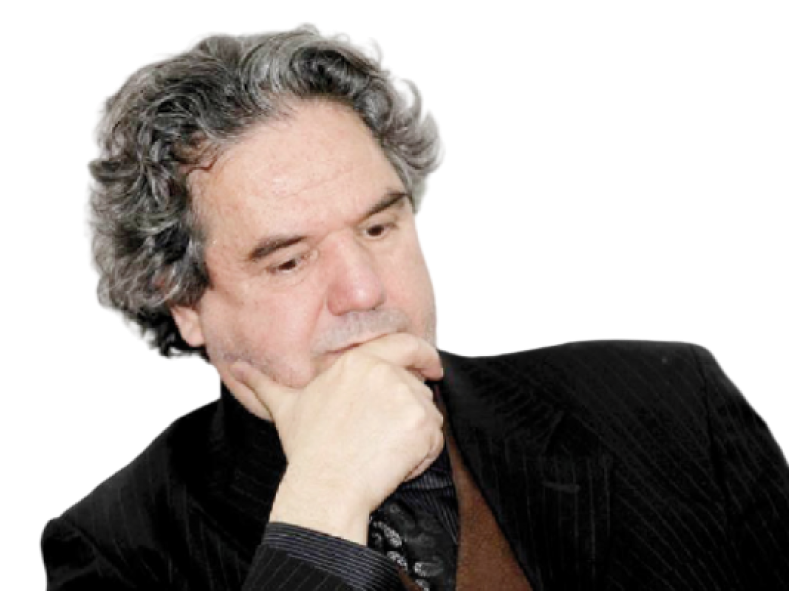
The author identifies four socio-cultural indicators of a civilized city: the presence of foreigners in public space, flower sellers, used book sellers, and pet food sellers. These reflect a city's hospitality, appreciation of beauty, memory, and coexistence.
Summary: A city that knows such cultural and social practices—the presence of the other in daily public space, the presence of sellers of flowers, used books, and pet food—is a civilized city. The more these indicators are established, diversified, and deepened in reality, the more the citizen in such a city respects women's rights, values them, and defends their autonomy; respects the culture of difference and defends it; respects citizenship and practices it; and understands and enshrines the concept of individual and collective freedom and democracy.
What are the signs and indicators that you are in a civilized city? A city extended in the past culturally and historically, present in the present with a sense of citizenship, and with a vision for the future under the principle of respecting coexistence with the other and sharing good and pain with them.
Civilized cities are not those that sprout many skyscrapers, nor those with the largest shopping centers offering all goods imported from all corners of the world, nor those with police and organized traffic and major airports from which dozens of planes take off and land every minute. Although all these things are important for life in a contemporary city, they are not indicators of the civility of this or that city. Technology and materialism are not decisive signs of civilization.
The civilized city is another world.
There are socio-anthropological and socio-cultural approaches that represent the indicators of a city's civilization. These indicators may seem neither pressing nor decisive in economics, politics, and technology, but when we scrutinize them, we find that they are indeed the real 'thermometer' and the closest to determining urban civility than others.
And I believe that the city in which the four indicators I will mention appear is the city that can be classified among civilized and livable cities for its citizens and newcomers alike.
The socio-anthropological factor: the presence of the foreign other in public space
When you enter a city and want to know the civility of its people, you must observe and measure the ratio and level of presence of the foreign other in it. A city that is visited by foreigners (the other) from all parts of the world or where they reside, so that it becomes part of their imagination—not out of consumption but out of desire, love, and belonging—is a culturally healthy city. Cities are defined by their foreigners (the other) as much as by their citizens. The more the philosophy of hospitality and the philosophy of social, economic, cultural, and religious cohabitation are established and respected in the city, know that this city is a positive human space capable of development and progress. The presence of the foreigner in the city's daily life—that other different in language, customs, and creed—indicates that this city is a space open to hospitality, trade, dialogue, and free from a culture of hatred.
When the foreign other walks in the streets of the city, they are not there to showcase their identity but to listen, enjoy, and exchange with the specificity of the citizens who are different from them. When the citizens of that city receive this other in their daily urban space, it by no means signifies infatuation with their identity, but rather a message to them that they are received to contemplate their different existence and to seek what this different person adds to them without losing their own specificity.
The absence of the foreign other from the city's streets, hotels, restaurants, cafés, universities, museums, theaters, publishing houses, and libraries makes the citizen of this city like someone living facing a mirror where they see only themselves daily, and they may suffer from self-satisfaction and the obsession with self-admiration, which is a pathological condition close to the phenomenon of declared and chronic death. We cannot know much about ourselves if we do not know the other. The presence of the foreigner-other in our daily urban space is our true mirror in which we see our culture, faces, minds, ethics, feelings, language, creed, and specificities.
The second socio-cultural factor: the flower seller
The flower seller (le fleuriste) is a telling indicator of a city's civility. This factor may seem surprising to some, but I believe that civilized cities are measured by the number of their flower sellers, by the culture of celebrating beauty. The more people belong to this commercial, craft, and artistic social group in the city and their presence is distributed across different neighborhoods, and the larger the number of citizens approaching this delicate 'commodity', the more the city, with this symbolic presence of seller and buyer, possesses a distinguished civic and cultural sensibility. This judgment may seem strange to some, but when we deeply philosophically contemplate the profession of the flower seller and its exceptional relationship with the human environment, we will discover what this profession represents as an influential indicator of the refinement of the city's people. The symbolism of roses in daily life refers to citizens' reconciliation with the culture of love and tolerance, and this is evident in celebrations of Women's Day, Mother's Day, Valentine's Day, and others. The presence of roses is a clear presence of a culture of joy, as it holds a special place in weddings and family and public celebrations, giving the moment high positive human energy. It also appears as a symbol of sympathy and consolation in visits to patients and even visits to graves. The culture of flowers is linked to a culture of respect and appreciation.
The third socio-cultural indicator: the used book seller (Le bouquiniste)
This social category represents a rare positive force in the city, very few notice it. Selling used or old books is not an ordinary trade like other trades, because the exchange involved has a great symbolic dimension in welding the city's memory across its different generations. Reading a book purchased from the 'bouquiniste'—the used book seller—differs from the ritual of reading a book bought from a regular bookstore. Reading old books secretly, covertly, and unconsciously opens the way to a relationship with the previous generation. It is a double-question reading: a question about the content of the book in your hands and a question about the nature of its previous owner who read it before you—one or more than one.
Read more: Arabic in the university: between the 'Maltese' and 'Creole' phenomena; Medical quackery or modern health charlatanism; To Umberto Eco: on the folly of social media; The genius of geography and the genealogy of writers.
The 'bouquiniste', with the books of various ages and mixed assortments they offer, and with the many surprises they may carry, is an image of the evolution of reading and the diversity of readers in the stable city. The used book seller is evidence of stability in the city's daily life and of its quiet progress. The displayed books, including those that were banned or were banned during a certain time or political period, reveal to us the path of the formation of the mind and taste in the city without many ruptures, and provide us with a picture of the path and formation of elites, their conflicts, nightmares, dreams, the ceiling of freedom, and the darkness of basements.
The fourth socio-cultural indicator: the seller of pet and companion animal food
Original source: Independent Arabia




Comments (0)
Be the first to comment.