The Leader Is the One Who Gives the Decision Its Value, Not the Decision That Makes the Leader
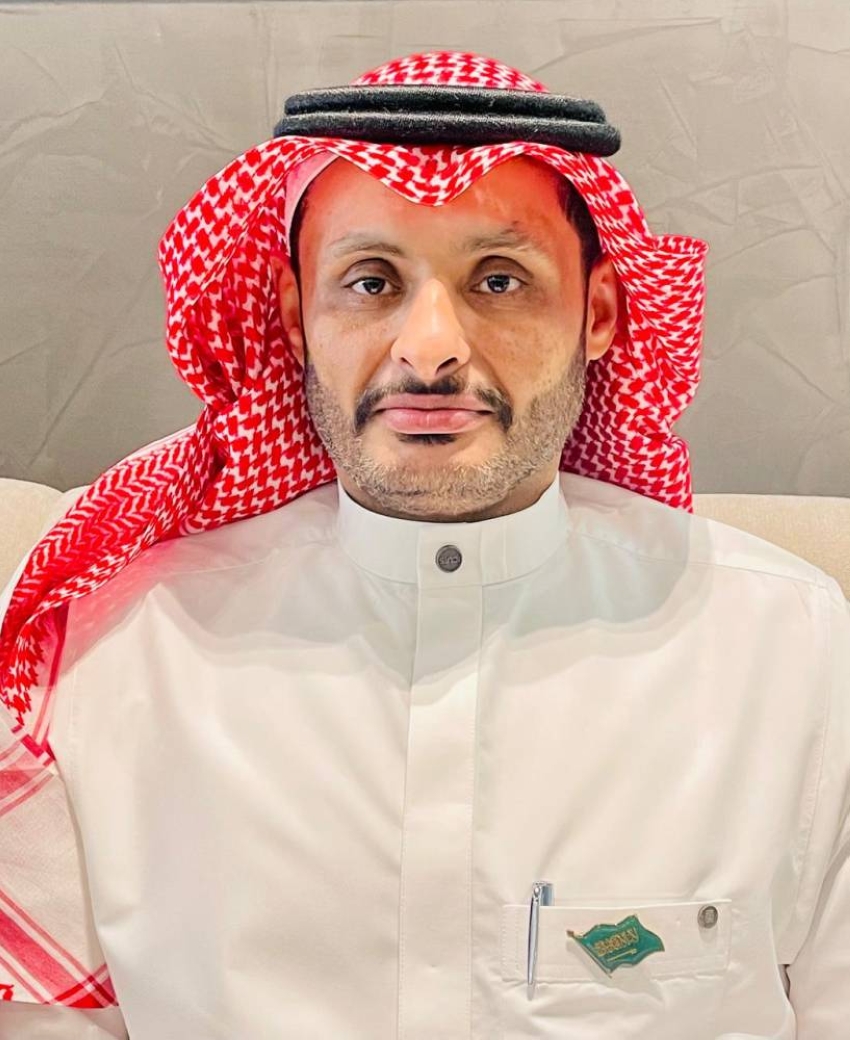
"The true leader is not measured by the decisions he makes, but by the way he manages those decisions and the impact he leaves on people's hearts." This argument comes at a time when the dear homeland is going through an exceptional...
"The true leader is not measured by the decisions he makes, but by the way he manages those decisions and the impact he leaves on people's hearts."
This argument comes at a time when the dear homeland is going through an exceptional phase of institutional development under Saudi Vision 2030, which has made investment in human capital the foundation of sustainable development. This orientation has been clearly reflected in various sectors, foremost among them the education sector, based on a firm conviction that building people precedes building institutions, and that the quality of leadership is one of the most important factors for their success and sustainability. In this context, the Ministry of Education, in partnership with the National Institute for Professional Educational Development, has adopted a gradual methodology for empowering school leaders, starting with identifying professional needs through precise diagnostic tools, then designing development programs that respond to these needs, thereby contributing to building leadership competencies and enhancing the readiness of leaders before they assume their roles. This approach reflects a conviction that leadership is not built merely by appointment, but begins with understanding the need and then providing appropriate qualification, making qualification precede empowerment rather than follow it.
This philosophy aligns with what modern leadership literature indicates; institutions that invest in preparing their leaders before empowering them are better able to build trust, improve communication quality, and enhance decision-making efficiency. Leadership is not granted authority, but a responsibility built on knowledge, skill, and experience. Hence a fundamental question arises: Is the appointment decision sufficient to create an effective leader?
To answer this question, it is not enough to look at regulatory texts or theoretical frameworks alone; it requires reflecting on real practice that reveals how the style of decision management can create an impact greater than the decision itself. In this context, I share a personal experience that clearly highlights the difference between having authority and practicing leadership.
Some time ago, I visited a university to follow up on an administrative transaction. My goal was not to object to the decision, as every entity has the right to accept or reject requests according to its systems and regulations, but rather to understand its reasons. However, what struck me was not the rejection decision itself, but the manner of handling. When I met the official, I did not find the professional dialogue I expected; instead, I was asked to review the transaction even though he knew that the decision had already been made. I left that meeting pondering how the way a decision is managed can leave an impact that may exceed the impact of the decision itself.
This experience aligns with what leadership literature indicates about the difference between formal authority and influential leadership. I realized that some leaders earn people's respect even when they reject their requests, while others lose the trust of those around them despite having the same authority. This makes distinguishing between formal authority and influential leadership extremely important. Authority is gained by an administrative decision that grants its holder specific powers, while true leadership is earned through trust, competence, good communication, and the ability to influence others. A person may possess authority without having leadership, while another can lead people and earn their respect even without holding an official position.
The literature supports this understanding. John Kotter sees that management aims to organize work and maintain stability, while leadership aims to build vision, inspire employees, and drive change. Michael Fullan also asserts that leadership is a continuous learning process, and that building relationships and trust is no less important than managing procedures. Kenneth Leithwood points out that effective leadership is one of the most influential factors in institutional success because it builds work culture, enhances trust, and raises performance levels. Administrative literature also indicates that individuals' acceptance of decisions depends not only on their outcomes, but is influenced by the clarity of procedures, transparency of justifications, quality of communication, and the respect individuals feel during interaction.
Based on this theoretical understanding, it becomes important to study how these principles can be applied in the university context. International universities no longer view the head of an academic department or the dean of a college as merely a scientific promotion, but as a leadership responsibility requiring specialized preparation. For this reason, prestigious universities such as Stanford University and Florida State University have developed dedicated programs to qualify department heads and deans, addressing strategic leadership, team management, communication, governance, change management, and decision-making, reflecting a conviction that academic excellence alone is not enough to lead individuals and institutions.
While the Ministry of Education has adopted a methodology that begins with identifying professional needs and then preparing school leaders before empowering them, applying the same philosophy to the preparation of executive leaders in universities—such as heads of academic departments, college deans, their deputies, academic program directors, and directors of administrative units within colleges—represents an opportunity to enhance the quality of university leadership, given the nature of the executive roles they perform daily in managing academic and administrative operations, direct interaction with faculty, students, and staff, and translating the university's higher policies into actual practice within colleges and departments.
This is not intended to diminish the scientific competencies of those who hold these positions. Academic excellence is an important foundation, but it alone is not enough to lead individuals and institutions. Managing knowledge is different from managing people, and success in scientific research does not necessarily mean possessing leadership, communication, team management, and conflict resolution skills.
From this perspective, studying the development of specialized leadership development programs for heads of academic departments and college deans represents an opportunity to enhance the quality of university leadership, through a methodology that begins with identifying leadership needs, then designing professional development programs that suit the nature of these responsibilities, thereby contributing to improving the quality of leadership practices, elevating the university work environment, and supporting universities' goals for institutional excellence.
Investing in preparing leaders before their appointment is not an administrative luxury, but an investment in the quality of the institution and the sustainability of its impact. If the national experience has proven the importance of building school leaders based on identifying needs and then qualifying, then applying this philosophy in preparing executive leaders in universities represents a step worth studying, as it enhances the quality of leadership practices and elevates institutional performance.
Great institutions are not built by systems alone, but by leaders who apply them well and turn every decision into an opportunity to strengthen trust, not a reason to lose it. The position is granted by a decision, but leadership is built through qualification, proven by practice, and attested to by people through its positive impact.
Original source: Al-Madina





Comments (0)
Be the first to comment.