Mirages... The Deception of Light That Baffled Travelers and Inspired Writers Throughout History

Mirages... The Deception of Light That Baffled Travelers and Inspired Writers Throughout History
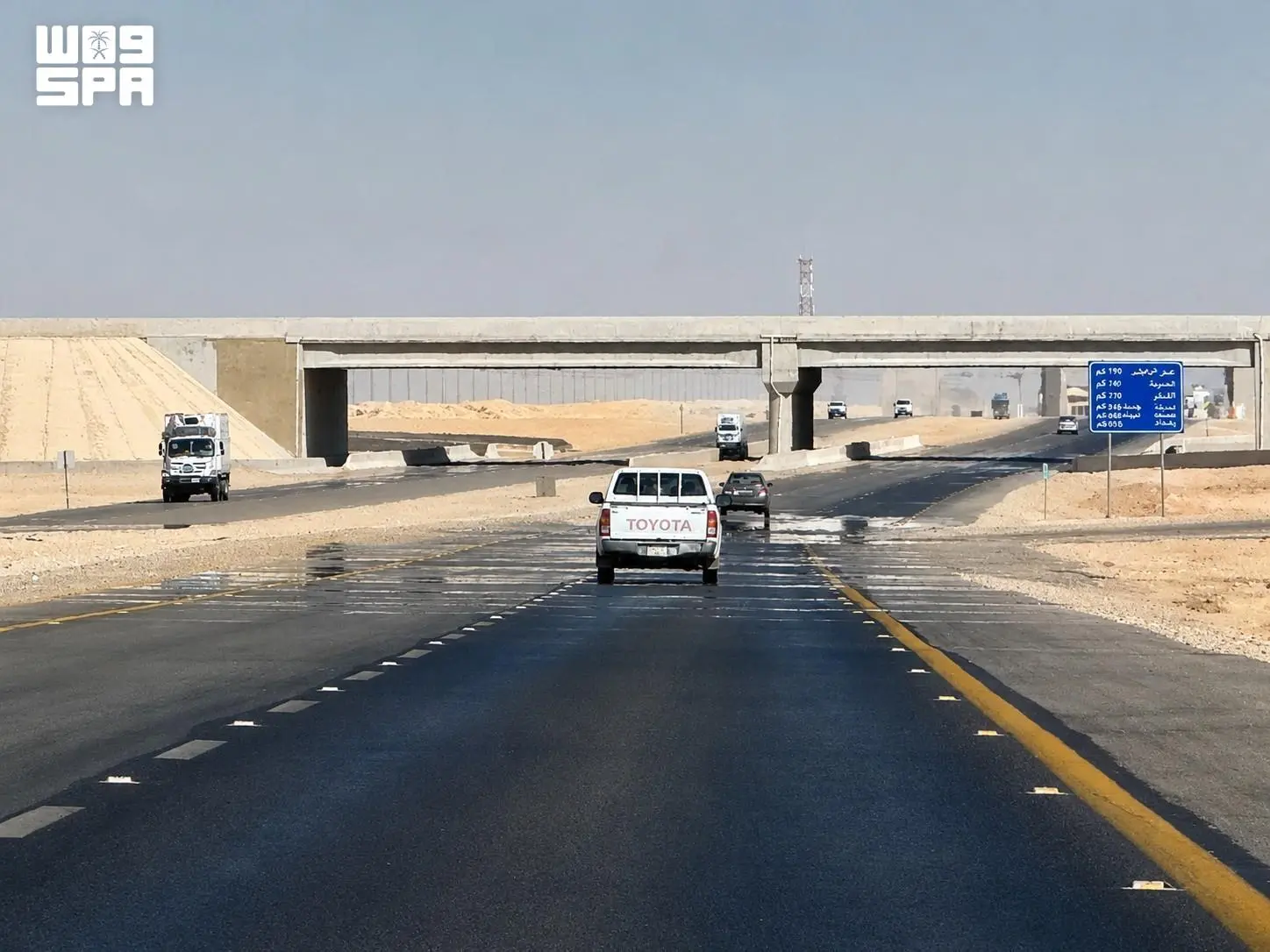
A mirage is a natural optical phenomenon that arises from the refraction of light rays through layers of air with varying temperatures and densities, resulting in the appearance of illusory or distorted images of distant objects. It commonly occurs in desert regions and on roads during hot weather.
Burgis Al-Fulaih, a member of the Afaq Society for Astronomy, explained in a statement to SPA that a mirage results from the bending of light rays as they pass through air layers with differing temperatures and densities, leading to illusory or distorted images of distant objects. He noted that this phenomenon is one of the most prominent visual phenomena associated with hot weather.
He stated that mirage images may appear steady or fluctuating, upright or inverted, and objects may appear in positions different from their actual locations due to light bending. This displacement can reach up to about 10 degrees above the horizon.
He added that mirages are divided into two main types: the inferior mirage, which is the most common and appears above extremely hot surfaces like roads and deserts, appearing to the observer as a body of water; and the superior mirage, which forms above cold surfaces, such as seas and snowfields, due to differences in air layer temperatures.
Al-Fulaih pointed out that the effect of mirages is not limited to terrestrial objects but can extend to celestial bodies. The sun, moon, and some planets, stars, and comets may appear distorted or multiple. The phenomena of sunrise and sunset mirages are among the most prominent examples.
He noted that the mirage phenomenon has a presence in human history, being associated with some exploratory expeditions and legends. It has also served as a source of inspiration for writers and philosophers, and in literature and culture, it has become a symbol of false hope or goals that appear close but remain out of reach.
Original source: Al-Riyadh




Comments (0)
Be the first to comment.