Report: Mleiha -- Cradle of the Oldest Historical Treasures in Sharjah

Sharjah, July 25 /WAM/ A few decades ago, Mleiha was only known as a small village located about 20 kilometers south of Al Dhaid and about 50 kilometers east of Sharjah city.
After more than 30 years of meticulous excavation and intensive study, astonishing historical aspects have been uncovered about the secrets of life lived by the inhabitants of this region in the distant past, with roots extending historically to the Stone Age.
The Sharjah Investment and Development Authority (Shurooq) played a key role in developing the Mleiha Ecotourism and Archaeological Project, working diligently with a team of international experts to discover the timeless treasures the site holds, both natural and human, through an integrated effort addressing various aspects of this unique region.
Mleiha teems with life in all shapes and sizes. Living organisms of various kinds, including mammals, reptiles, rare insects, and desert plants, have proven a unique ability to adapt to the harsh desert environment and have succeeded in acclimatizing over thousands of years.
Mleiha is home to a variety of plants, such as the Acacia tortilis, or umbrella thorn acacia, and the beautiful Arabian primrose, or 'popcorn plant', with its scientific name Pseudogaltonia hymenostephana, which features small, trumpet-shaped white flowers atop velvety pink cups that grow and enlarge, then are carried by the wind along with seeds after their life cycle is complete, to grow in a new place across the UAE desert.
The animals of Mleiha and the diverse creatures living there provide a comprehensive view of wildlife in the United Arab Emirates. Ants, bees, jewel beetles, horse flies, and other insect species live in complete harmony with camels, desert gazelles, and red Arabian foxes, which are rarely seen by the naked eye as they are shy creatures that prefer to hide and maintain privacy in their natural environment.
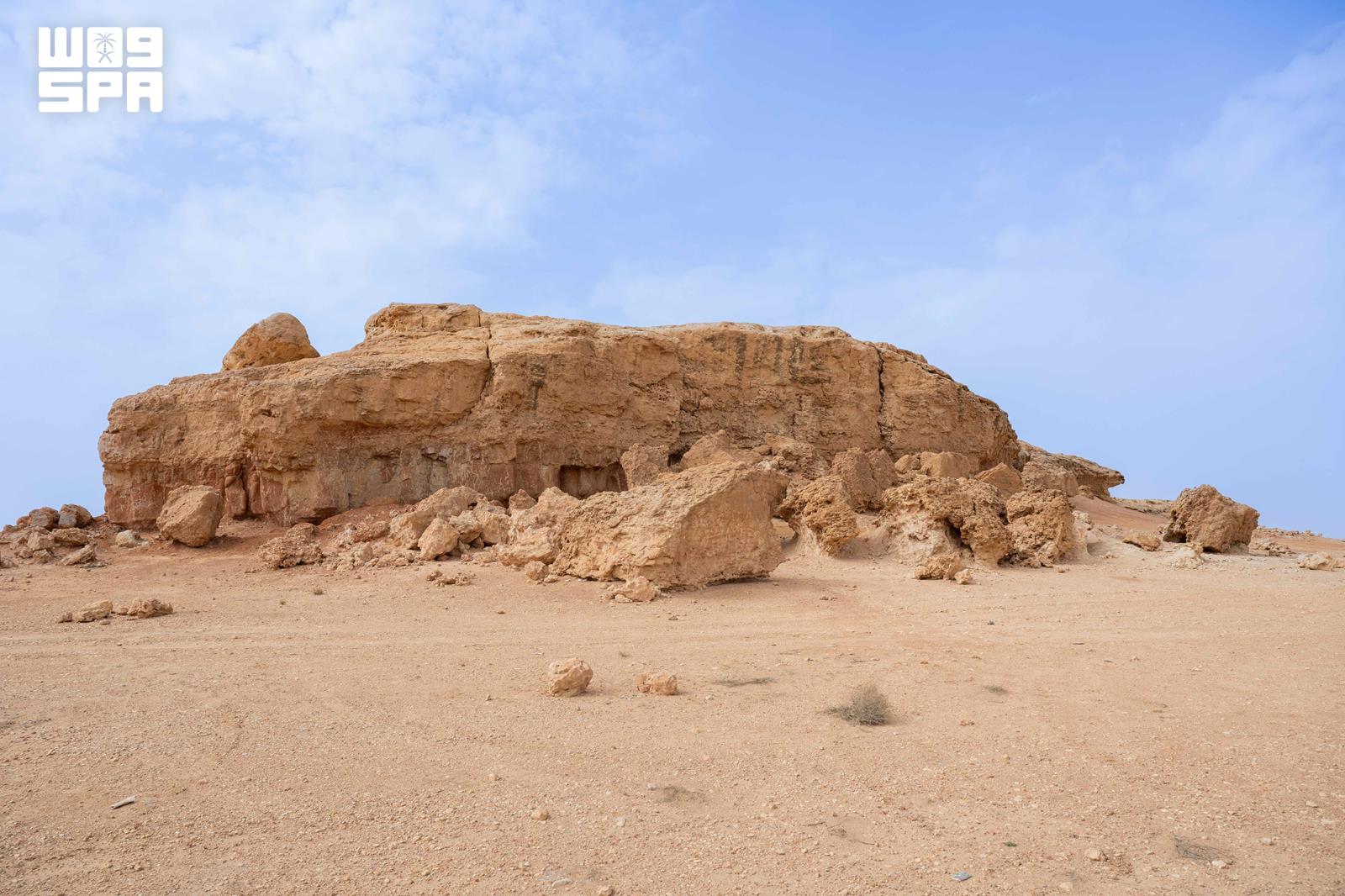
A visit to the Mleiha area currently leads to a range of enjoyable activities interspersed with amazing adventures centered on discovery. It is home to the largest archaeological burial sites in the UAE, and contains shelters for the early humans who inhabited the region, as well as remains of the ancient historical city of Mleiha and Mleiha Fort.
Mleiha holds archaeological treasures that reveal to visitors the nature of daily life of the region's inhabitants at that time and its stages of development, such as various types of pottery, kitchen utensils, ovens, cosmetic and grooming tools, spears, and much more.
Therefore, Mleiha is considered one of the most important historical sites in the country, as it provides an opportunity for in-depth observation and scientific insight into the social system of the region and its various aspects, such as customs, traditions, rituals, trade systems and practices, adornments, and jewelry.
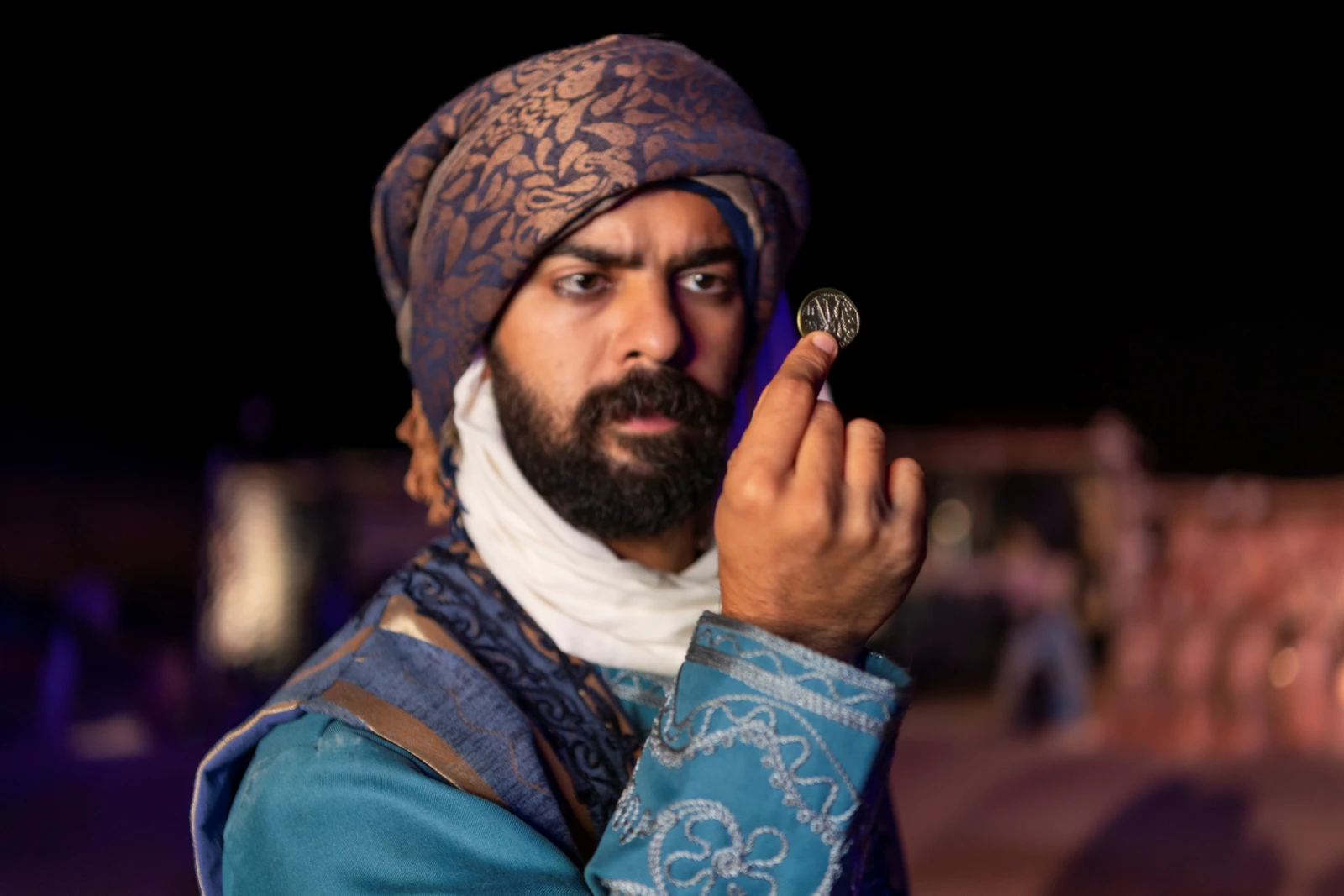
Mahmoud Rashid Al Suwaidi, Director of the Mleiha Ecotourism and Archaeological Project, said: 'The Mleiha area in general, and the Mleiha Ecotourism and Archaeological Project and Mleiha Archaeological Center in particular, provide a gateway to ancient times through interactive exhibits and historical artifacts that take visitors on a time journey to see the stages of the birth of civilization in the country and the region thousands of years ago, and give them the opportunity to learn about the nature of our ancestors' lives and the struggle for survival over time.'
Among the most prominent services provided by the Mleiha Archaeological Center are guided tours under the supervision of a group of specialized tourist guides who accompany visitors throughout their visits and trips to ensure a comprehensive introduction to the destination and its treasures, and to provide visitors with a distinctive experience.
Al Suwaidi explained that in addition to all these unique advantages, work is still ongoing on the project within its second phase. Shurooq's plans include establishing the 'Mleiha Desert Park', a local wildlife reserve spanning 450 square kilometers, in collaboration with the 'Sharjah Environment and Protected Areas Authority'.
The park aims to enhance native wildlife by releasing wild animals such as the tahr, oryx, and mountain and desert gazelles into the area. It also includes the construction of a hotel lodge to enrich the desert stay experience, and the building of an astronomical observatory to monitor celestial movements and stargazing.
- Batl.
Original source: WAM

Comments (0)
Be the first to comment.