67% of Infrastructure Licenses for Water Projects
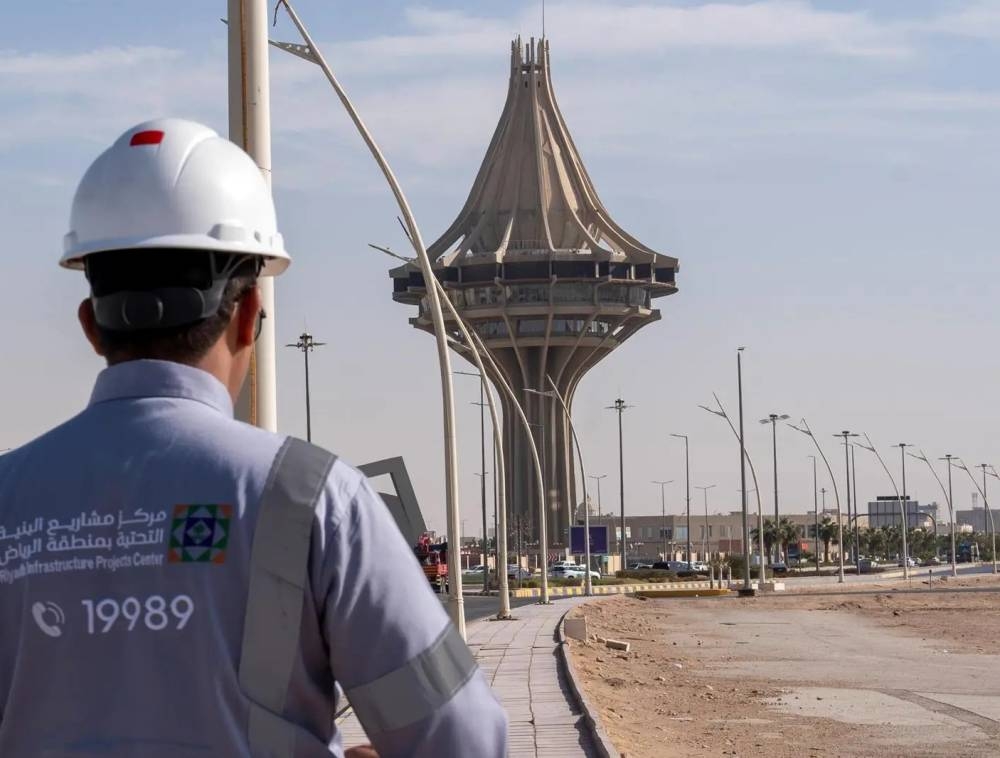
The Infrastructure Projects Center in the Riyadh region issued 51,191 licenses for infrastructure works during the second quarter of 2026, as part of its efforts to regulate project implementation, raise work efficiency, and enhance compliance.
The center's indicators showed that the water sector accounted for the largest share of licenses at 67%, followed by the energy sector at 24%, then the roads and public domain sector at 6%, while the telecommunications sector's share was 3%.
Compliance Level
The center recorded the operation of more than 2,051 kilometers of roads associated with infrastructure works, in addition to issuing more than 4,169 licenses and projects within the comprehensive plan.
In terms of oversight and compliance, the center conducted more than 103,000 inspection rounds, resulting in the detection of 16,318 violations, and also handled more than 77,000 reports, as part of monitoring the implementation of infrastructure projects and improving compliance levels.
The center also organized more than 68 workshops aimed at enhancing awareness and compliance among relevant entities, contributing to improving the quality of infrastructure project implementation and increasing coordination efficiency among service entities.
Projects and Services
Earlier, the Infrastructure Projects Center in the Riyadh region issued the performance report of service entities for May 2025, which monitors the overall performance level of entities that have improved the most in implementing projects and services provided, to identify possible areas for improvement and enhance the quality of life in the region.
The center revealed the issuance of more than 15,000 licenses, and receipt of more than 8,000 reports, led by reports of water accumulation at 37%, and road subsidence at 23%, while violations varied between unclean work sites, lack of warning lighting and temporary barriers, in addition to failure to backfill excavations.
Compliance Rates
The performance report of service entities aims to raise the level of transparency in project work by publishing data and enabling stakeholders to review infrastructure project indicators in the region. It comes as part of the center's efforts to raise compliance rates and enhance competitiveness to improve project work and create a stimulating environment that contributes to improving the urban landscape.
Original source: Al-Watan



Comments (0)
Be the first to comment.