Advertising Fee Gap in Saudi Arabia: Between 200 Riyals and Millions, and Lack of Controls
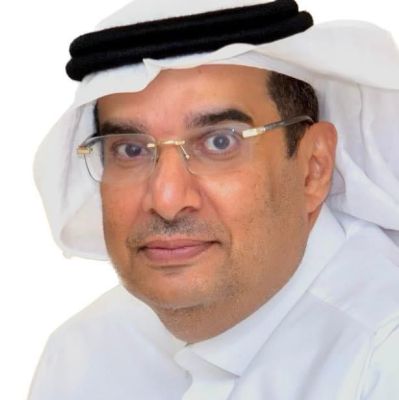
A journalistic report reveals a large disparity in advertising fees ranging between 200 riyals and hundreds of thousands, amid the absence of pricing controls and the mixing of concepts between digital fame and professional media in Saudi Arabia.
Sami Al-Mughamsi
The reality of the advertising market: between 200 riyals and millions!
This report was published on July 23, 2026 at 00:01, and was last updated on the same date and time.
The report examines the state of the advertising market in Saudi Arabia and the gap between the concepts of fame and professional media.
Follow Okaz channel on WhatsApp.
- In an era where small screens have become the first window to the world, concepts have become mixed for many regarding the difference between "the famous" and "the journalist." While both have an audience and followers, the essential question remains: Is every famous person considered a journalist?
- The shock of numbers in the advertising market
In the current advertising market, I expected prices to be very high, possibly exceeding one hundred thousand riyals per advertisement. But the surprise came when a journalist colleague told me that some colleagues receive only 200 riyals along with a hospitality meal for covering events, and this applies to those who do not have large audiences.
Advertisers often prefer to summon the largest number of attendees to ensure the ad reaches different segments and entities. The prices of celebrities vary according to their influence, engagement, and number of followers, in the absence of a specific pricing or controls for the advertising market.
The advertising market in Saudi Arabia has witnessed a radical transformation with the dominance of digital platforms. Despite this spread, many celebrities cannot be classified as media professionals or journalists, as they are not skilled in preparing professional reports or conducting sober press interviews, and they lack a specialized platform that covers media in its comprehensive concept.
- Media work in essence relies on professionalism, journalistic integrity, and ethical and social responsibility. The real media professional subjects his tools to verification and investigation, and seeks to convey the truth, educate society, and critique issues from the perspective of public interest.
- As for "fame" in its modern digital concept, it often relies on attracting attention, producing entertainment, or sharing details of daily life. A famous person may amass millions of followers thanks to simple interactive content, but this does not make him a public opinion maker in the methodological or journalistic sense; quick and momentary success often vanishes just as fast, while cumulative building based on impact is what lasts.
- Celebrities are divided in what they offer; some provide excellent content of great benefit, others provide meager and worthless content, while a third group chose to take the middle path.
- The advertising market has opened a legitimate and accessible source of livelihood for everyone, and it is a right for every person as long as they have earned the trust of their followers, provided that this earning is not at their expense through falsification, lying, and deception.
- The prudent media professional is one who respects his profession and does not get swept away by advertisements he knows are worthless; money is not everything. I personally know a number of journalist colleagues who have a very large fan base, but they did not succumb to material pursuit, and they did not accept for themselves to attend events that add nothing to their professional record except "a few dirhams and a good meal"!
- Digital platforms have opened a wide door for talents; some have emerged and made a name for themselves in a wonderful and excellent way, while others fell into the swamp of financial temptation and lost their value in front of themselves and society.
- In conclusion, every successful journalist is necessarily a famous or well-known figure in his field, but not every famous person on digital platforms is considered a journalist. Fame is the product of prevalence and spread, while "media" is a profession, a mission, and controls.
The report confirms that media work is based on professionalism, integrity, and ethical responsibility, while digital fame relies on attracting attention and entertainment. And with the absence of controls for advertising prices, the market remains unregulated and varied. The report indicates that celebrities are divided between those who provide valuable content and others who provide meager content. The need remains for a clear distinction between the real journalist and the digital content creator.
Original source: Okaz



Comments (0)
Be the first to comment.