Al-Ukhdood Archaeological Site in Najran Attracts 17,744 Visitors in the First Half
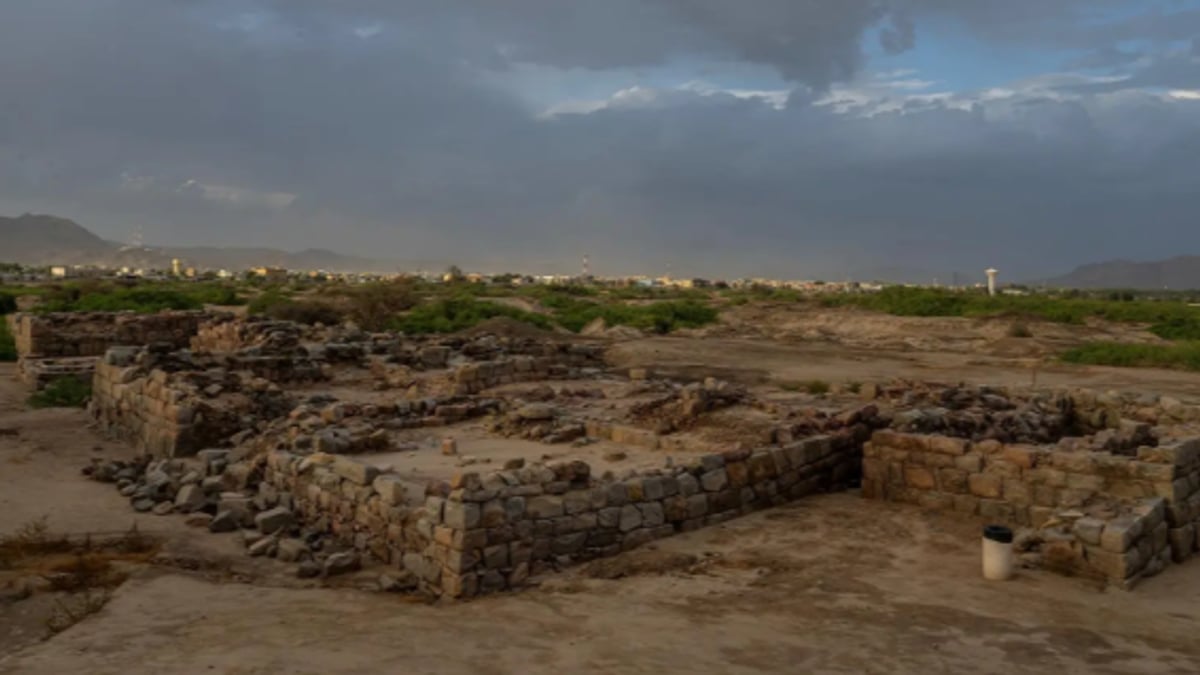
The Al-Ukhdood archaeological site in the Najran region received 17,744 visitors during the first half of 2026, continuing its status as one of the most prominent heritage and tourist sites in the Kingdom, especially with the launch of the summer season of 2026.
The site offers an experience that combines learning and entertainment, contributing to enriching knowledge and promoting scientific research, in addition to supporting local community development at both cultural and economic levels.
Al-Ukhdood stands as a witness to its history as an important commercial center on the Incense Route, with its foundation dating back to the mid-1st century BC. Archaeological discoveries reveal a fortified city with a wall approximately 235 meters long and 220 meters wide, along which protrusions and cavities spread, reflecting the architectural character of the site.
The archaeological remains show that the building foundations were built from carved stone blocks ranging in height between two and four meters, while the upper parts were constructed using mudbrick or brick. The fortress stands out among the main architectural elements, dating back to the period from the mid-1st century BC to the mid-1st millennium AD.
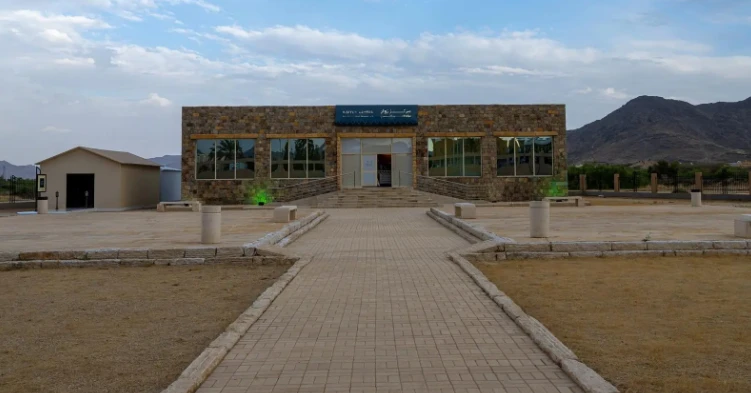
Al-Ukhdood Visitors Center
The Heritage Authority indicated the establishment of the Al-Ukhdood Visitors Center to serve as an informational platform on the history of Najran and Al-Ukhdood from ancient times to the modern era, with the center extending over an area of approximately 300 square meters indoors, and its outdoor area amounting to about 3,400 square meters.
The center includes interactive exhibitions, three-dimensional models, and children's halls, in addition to educational programs and field tours showcasing the results of excavations and archaeological discoveries.
Discuss the news with artificial intelligence.
Original source: Ajel.sa



Comments (0)
Be the first to comment.