Al-Ulya Village: A Tourist Journey Between History and Fertile Farms
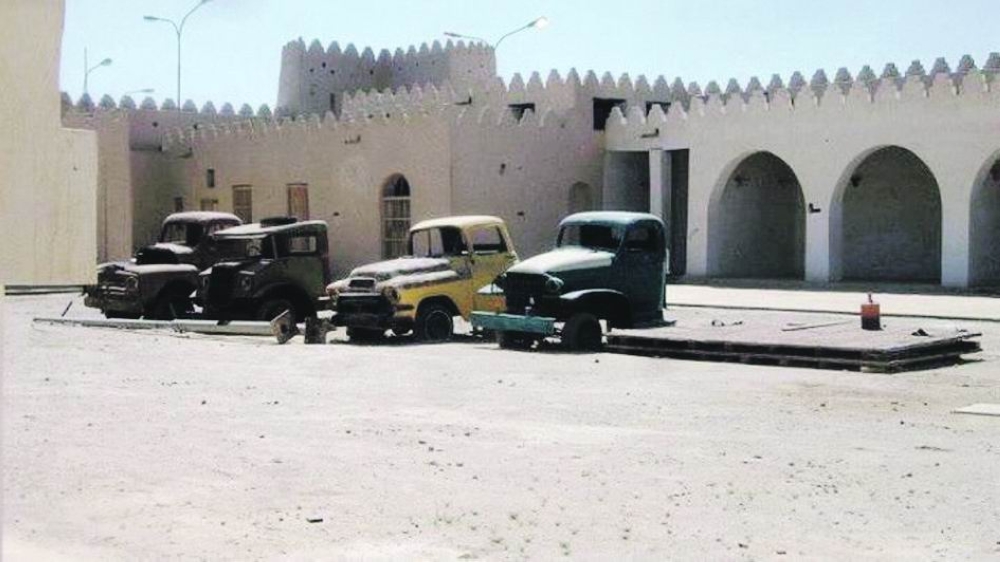
Al-Ulya Village is one of the ancient cities with deep roots, originally a well inhabited by Bedouins before it was officially established during the reign of King Abdulaziz, now over a hundred years old.
Historically known as "Al-Nibaj," it was also mentioned by Al-Isfahani as "Al-Shayt al-Atashan" and "Al-Shayt al-Rayyan," and was one of the transit stations for pilgrims from eastern Arabia coming from Basra and Bahrain to Mecca.
Related news
The governorate witnessed a large influx of residents from the interior, especially from the Sudair region, specifically the town of Jalajil, in addition to smaller numbers from Qassim and Al-Ahsa, attracted by the fertility of its land, abundant water, and job opportunities.
Al-Ulya Governorate is located in the Al-Summan area of the Eastern Province, 280 kilometers northwest of Dammam and 150 kilometers south of the Saudi-Kuwaiti border, and administratively oversees about 22 affiliated centers.
Qasr Aali: An Architectural Witness to the History of Local Governance
"Qasr Aali" is one of the most prominent historical landmarks of Al-Ulya Village. It was ordered to be built by King Abdulaziz bin Abdul Rahman Al Saud in 1355 AH due to the strategic location of the area near the Kuwaiti and Iraqi borders, to serve as a seat of local governance. The palace was inaugurated by King Saud bin Abdulaziz, and was constructed from stones, mud, and tree trunks. To this day, the palace retains its founding plaque, which records its construction by order of King Abdulaziz under the supervision of Prince Saud bin Jalawi.
According to documentation from the King Abdulaziz Foundation, the palace was built on an area of 8,836 square meters, and includes seven huge conical towers, a mosque, a prison, as well as stairs connecting the upper towers through internal corridors.
Farms of Al-Ulya: An Agricultural Wealth Feeding the Eastern Province
Al-Ulya is famous for its historical farms, most notably Al-Shafahlia Farm, which transformed from a wild meadow into a large farm after the drilling of an artesian well, in addition to Al-Ubaykli Orchard, Al-Afriyya Farm, and Al-Safawi Farm, which serves as a water source for Bedouins. The governorate includes about 2,000 farms that annually produce 250,000 tons of wheat, in addition to producing alfalfa, corn, and Rhodes grass fodder, and cultivating palm trees and vegetables that meet the needs of the local population.
Original source: Al-Yaum


Comments (0)
Be the first to comment.