Sighting of Large Sand Plover in Northern Borders Boosts Environmental Health Indicators
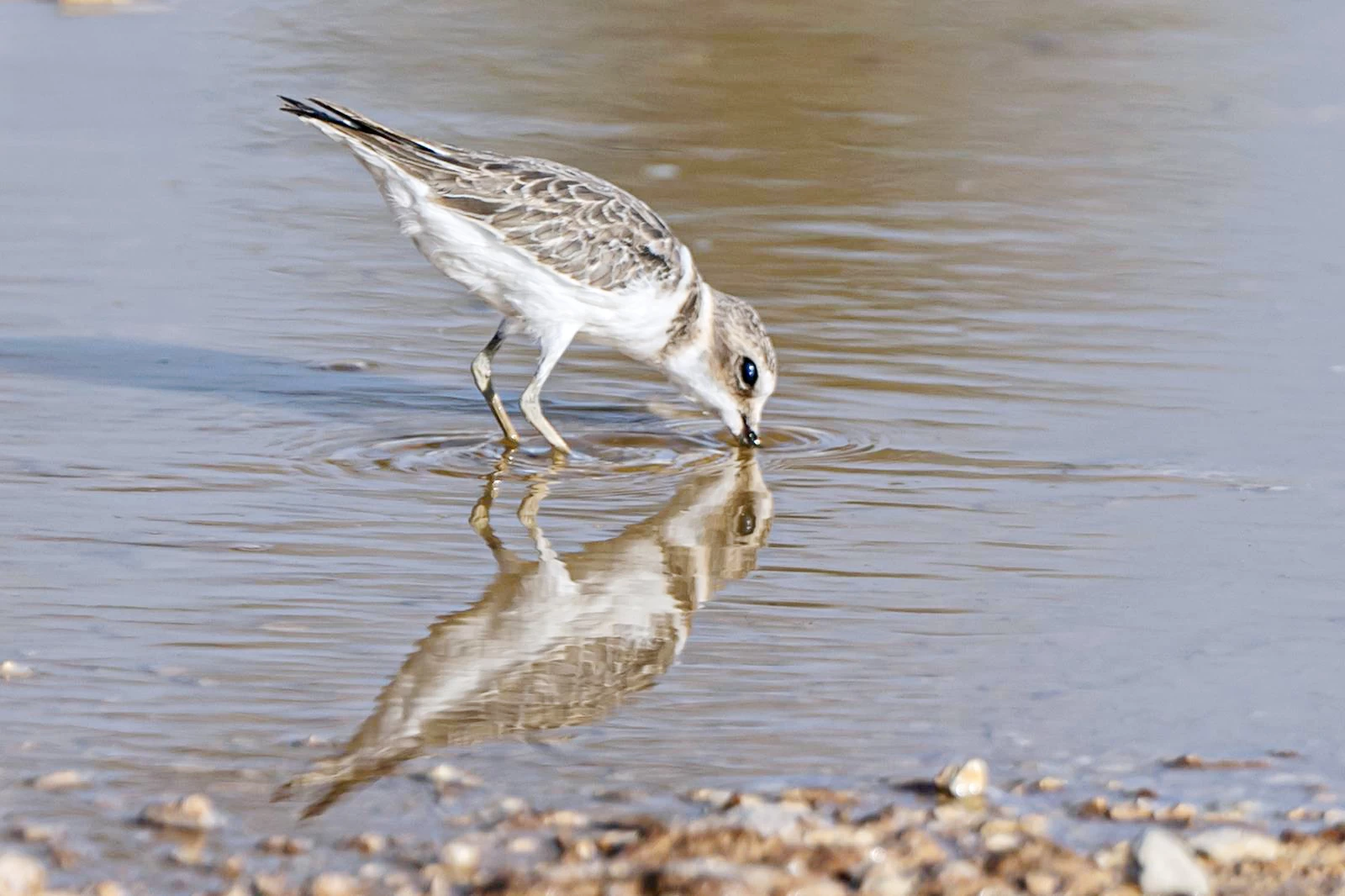
The large sand plover (Charadrius leschenaultii) has been observed in several wild locations in the Northern Borders region, indicating the area's rich biodiversity and quality of natural habitats.
Nasser Arshid Al-Majlad, head of the Aman Environmental Association, explained that the large sand plover belongs to the plover family and is considered a common migratory bird. It is characterized by a strong build, a relatively thick and long beak, and long legs that help it navigate in sandy environments, coasts, and exposed muddy lands.
He pointed out that the bird is covered with light sandy feathers and white underparts during winter, giving it a high ability to camouflage in desert environments. In spring and the breeding season, it acquires a more distinctive appearance, as its chest turns reddish-brown, and a broad black stripe appears across the eyes, which is one of its most prominent features.
Al-Majlad stressed that the continued monitoring of migratory birds in the Northern Borders region reflects the stability of ecosystems and the quality of their habitats. He emphasized the importance of preserving these habitats, enhancing environmental awareness, and supporting efforts to protect biodiversity, in line with the goals of the Saudi Green Initiative and the Kingdom's Vision 2030, aimed at preserving the environment and developing its natural resources.
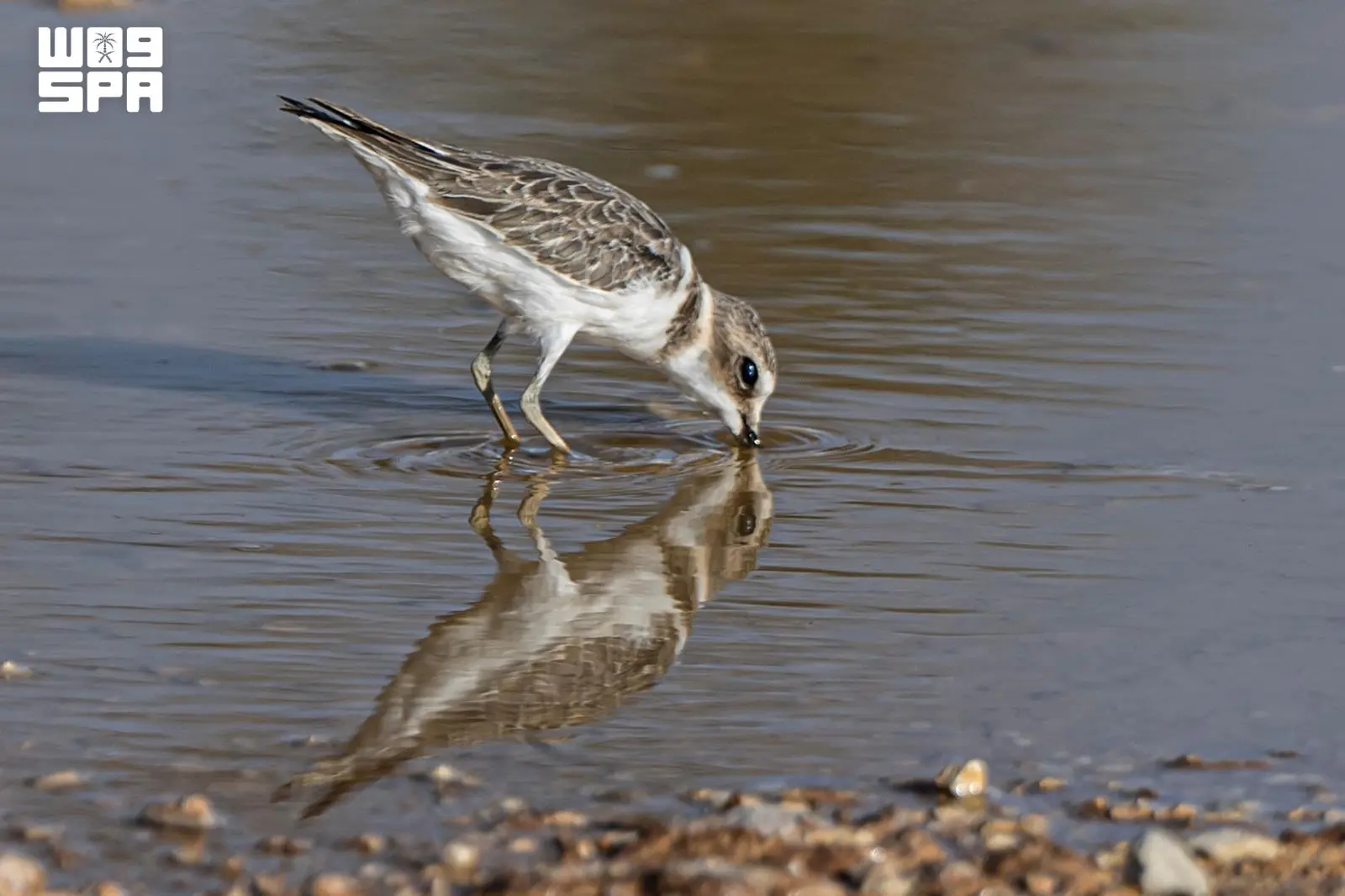
The large sand plover (Charadrius leschenaultii) has been observed in several wild locations in the Northern Borders region, indicating the area's rich biodiversity and quality of natural habitats.
The president of the Aman Environmental Association, Nasser Arshid Al-Majlad, explained that the large sand plover belongs to the plover family and is considered a common migratory bird. It is characterized by a strong build and a relatively thick and long beak, in addition to long legs that help it navigate sandy environments, coastlines, and exposed muddy lands.
He noted that the bird is covered in light sandy feathers with white underparts during the winter, which gives it a high camouflage ability in desert environments. As spring and the breeding season approach, it acquires a more distinctive appearance, with its chest turning reddish-brown and a broad black stripe appearing across its eyes, which is one of its most prominent features.
Al-Majlad emphasized that the continued observation of migratory birds in the Northern Borders region reflects the stability of the ecosystems and the quality of their habitats. He stressed the importance of preserving these habitats, enhancing environmental awareness, and supporting efforts to protect biodiversity, in line with the goals of the Saudi Green Initiative and the Kingdom's Vision 2030, aimed at preserving the environment and developing its natural resources.
Original source: Okaz




Comments (0)
Be the first to comment.