Shura Calls for Development of Health, Tourism, and Hajj Services and Enhancement of Government Performance Efficiency

The Shura Council held its 44th session and issued decisions calling for improvements in health, tourism, Hajj services and government performance.
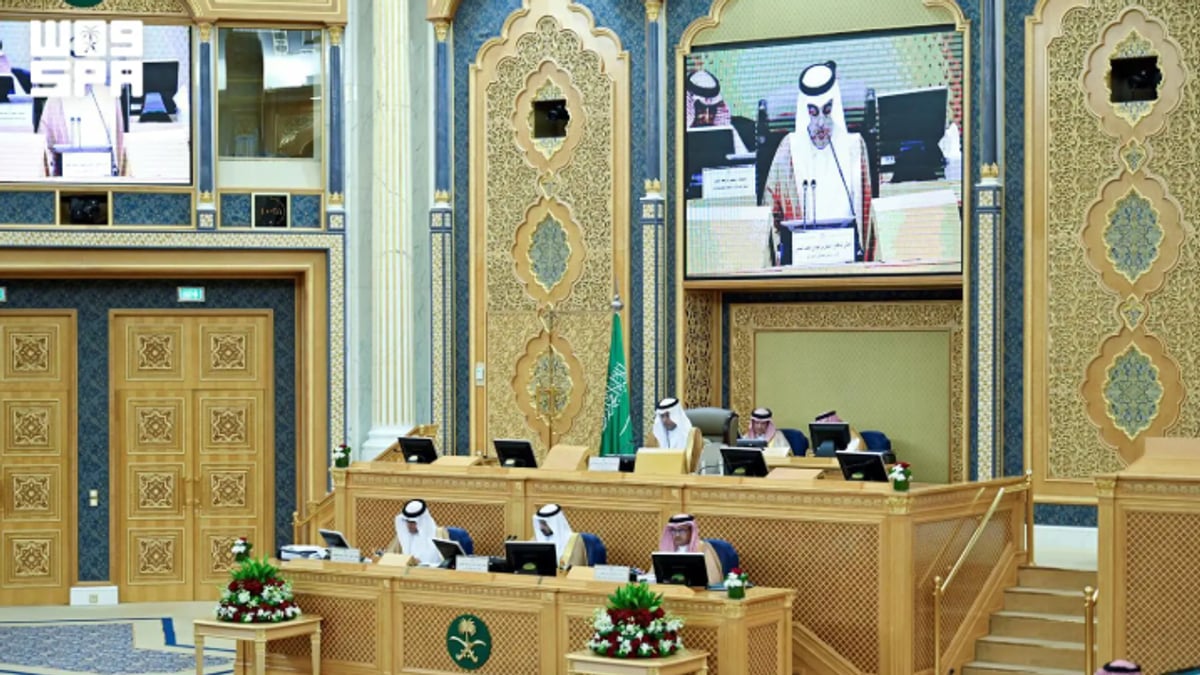
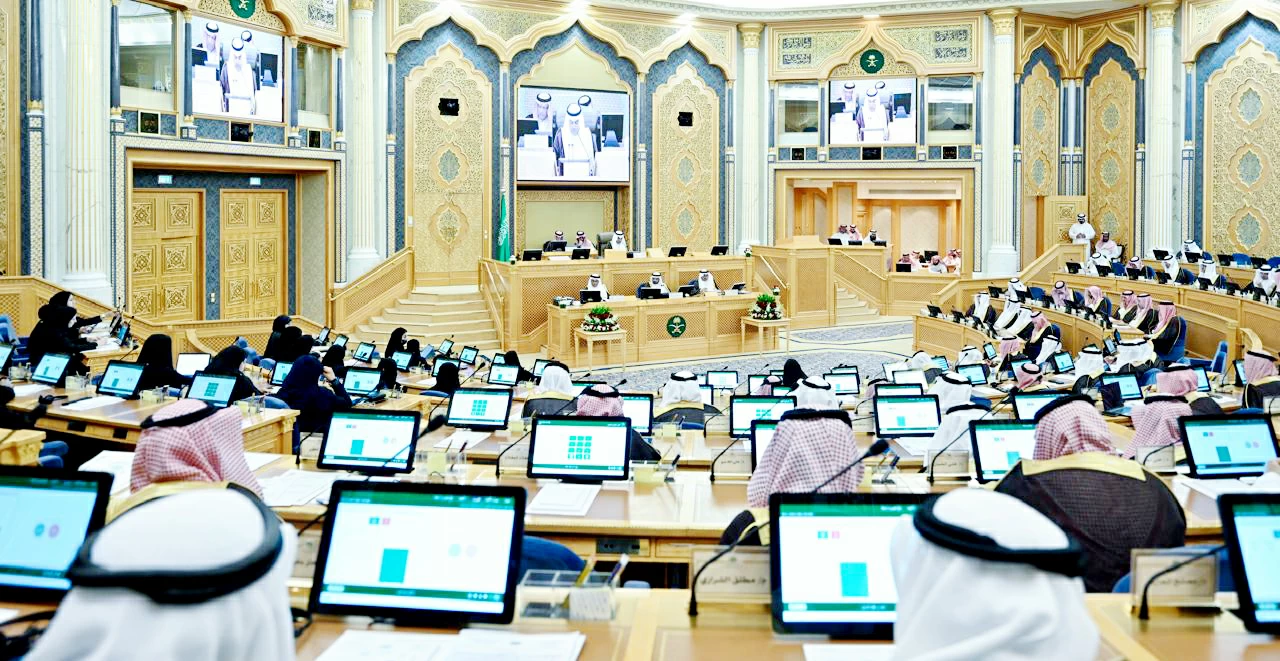
The Shura Council held today its 44th regular session of the second year of the ninth term under the chairmanship of His Excellency the Deputy Speaker of the Council, Dr. Mishal bin Fahm Al-Sulami.
At the outset of the session, the Council reviewed its agenda and the items contained therein, taking the necessary decisions thereon, including voting on a number of viewpoints regarding the annual reports of several government agencies, reconstituting the Council's specialized committees, and appointing committee chairs and their deputies for the third Shura year of the ninth term.
The Council issued a decision calling on the Ministry of Health to address employment gaps and cover the need for health cadres and specialties in all regions and governorates.
The Council took its decision after hearing the viewpoint of the Health Committee, presented by Council member and committee chair Dr. Hassan Al Masloum, regarding the members' observations and opinions expressed in a previous session concerning the Ministry of Health's annual report for fiscal year 1446/1447 AH.
In its decision, the Council called on the Ministry of Health to tighten oversight of misleading health digital platforms in circulation and to take the initiative to educate the community about them from the start of their circulation to mitigate their negative effects.
The Council also called on the ministry to raise the level of coverage of mental health services, facilitate access to them, and expand prevention and early intervention programs, as well as follow-up and psychological support services outside hospitals.
The Council emphasized in its decision that the ministry should develop its laboratory and diagnostic services, study the exposure related to tests referred outside the Kingdom and localize them, thereby enhancing health security.
In the same decision, the Council called on the ministry to study adopting a model to benefit from university hospital facilities and their ready departments.
The Council also emphasized in its decision that the ministry should activate its supervisory and regulatory role over the blood supply and transfusion system and related services in all health entities.
In the same context, the Council issued a decision regarding the National Center for Mental Health Promotion's annual report for fiscal year 1446/1447 AH, calling on the center to raise the level of psychological well-being in work environments, as well as raise community awareness of psychological well-being concepts, and reduce the social stigma associated with mental health and its services.
The Council took its decision after hearing the viewpoint of the Health Committee regarding the members' observations and opinions expressed in a previous session concerning the center's annual report.
In the same regard, the Council issued a decision regarding the National Institute of Health Research's annual report for fiscal year 1446/1447 AH, calling on the institute to address delays in implementing initiatives linked to national strategies.
The Council took its decision after hearing the viewpoint of the Health Committee regarding the members' observations and opinions expressed in a previous session concerning the institute's annual report.
In its decision, the Council called on the National Institute of Health Research to develop incentive programs for investment and partnership with the private and non-profit sectors in health research.
On another front, the Council issued another decision calling on the Ministry of Tourism to review and update the priorities and indicators of the National Tourism Strategy for the remaining period until 2030, in line with the sector's development level and emerging challenges.
The Council took its decision after hearing the viewpoint of the Culture, Sports and Tourism Committee, presented by Council member and committee chair Dr. Hassan Al-Hazmi, regarding the members' observations and opinions expressed in a previous session concerning the Ministry of Tourism's annual report.
In its decision, the Council called on the ministry to develop a national framework for measuring the economic and social impact of the tourism sector at the regional level, enabling assessment of the actual impact of tourism growth on local development.
The Council also called in its decision on the Ministry of Tourism to introduce independent performance indicators to measure the empowerment of national talents in leadership, supervisory and specialized positions in the tourism sector, and link their results to the qualification, scholarship and capacity development programs implemented by the ministry.
The Council emphasized in its decision that the Ministry of Tourism should develop a governance model for priority tourist destinations, contributing to their development, addressing tourism gaps, and improving visitor experience.
In the same decision, the Council emphasized that the ministry should establish a unified national framework for tourism references and standards governing tourism programs, services and experiences, contributing to the quality of tourism outputs and enhancing the sector's competitiveness and sustainability.
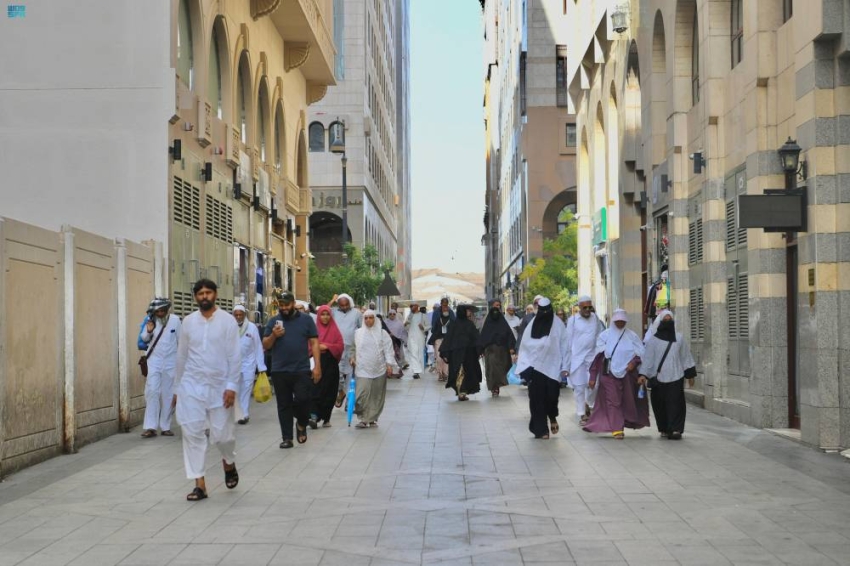
Within the decisions on this session's agenda, the Council issued a decision calling on the Ministry of Hajj and Umrah to work on addressing the challenges facing the pre-preparedness programs for foreign pilgrims.
The Council took its decision after hearing the viewpoint of the Hajj, Housing and Services Committee, presented by Council member and committee chair Dr. Attieh Al-Atwi, regarding the members' observations and opinions expressed in a previous session concerning the Ministry of Hajj and Umrah's annual report for fiscal year 1446/1447 AH.
In its decision, the Council called on the ministry to address the stalling of the initiative to establish and operate crowd management and joint operations centers, and to expand the Makkah Road initiative to include countries with the highest numbers of pilgrims.
In the same context, the Council issued a decision calling on the Prince Mohammed bin Salman Park Foundation to adopt smart park principles, including employing smart technologies and sensory design within the current design phases, to raise operational efficiency and improve visitor experience.
The Council took its decision after hearing the viewpoint of the Hajj, Housing and Services Committee regarding the members' observations and opinions expressed in a previous session concerning the Prince Mohammed bin Salman Park Foundation's annual report for fiscal year 1446/1447 AH.
In its decision, the Council called on the foundation to align design decisions with future financial sustainability requirements, contributing to reducing reliance on government spending in the future.
Also during this session, the Council issued a decision regarding the Ministry of Economy and Planning's annual report for fiscal year 1446/1447 AH, calling on the ministry to build a sustainable mechanism to measure the economic impact of regulations after their enactment, thereby enhancing the efficiency of economic legislation and supporting business environment competitiveness.
The Council took its decision after hearing the viewpoint of the Financial and Economic Committee, presented by Council member and committee chair His Excellency Dr. Fahad Al-Tukhaifi, regarding the members' observations and opinions expressed in a previous session concerning the ministry's annual report.
In its decision, the Council called on the Ministry of Economy and Planning to prepare a national framework to support new and promising economic sectors, defining priorities, enablers, and impact indicators to accelerate economic diversification and create high value-added activities.
In the same decision, the Council called on the ministry to develop a national strategy for international economic engagements to enhance the economic return from the Kingdom's international presence, and mechanisms to activate its outcomes in national policies.
The Council also called on the ministry to develop a program to attract and localize international and regional economic centers and organizations in the Kingdom, to transfer knowledge and enhance the Kingdom's position as a center for economic decision-making.
Original source: Al-Riyadh


Comments (0)
Be the first to comment.