Urgent - 'Curricula': Approval of Temporary Study Plans Integrating In-Person and Distance Learning
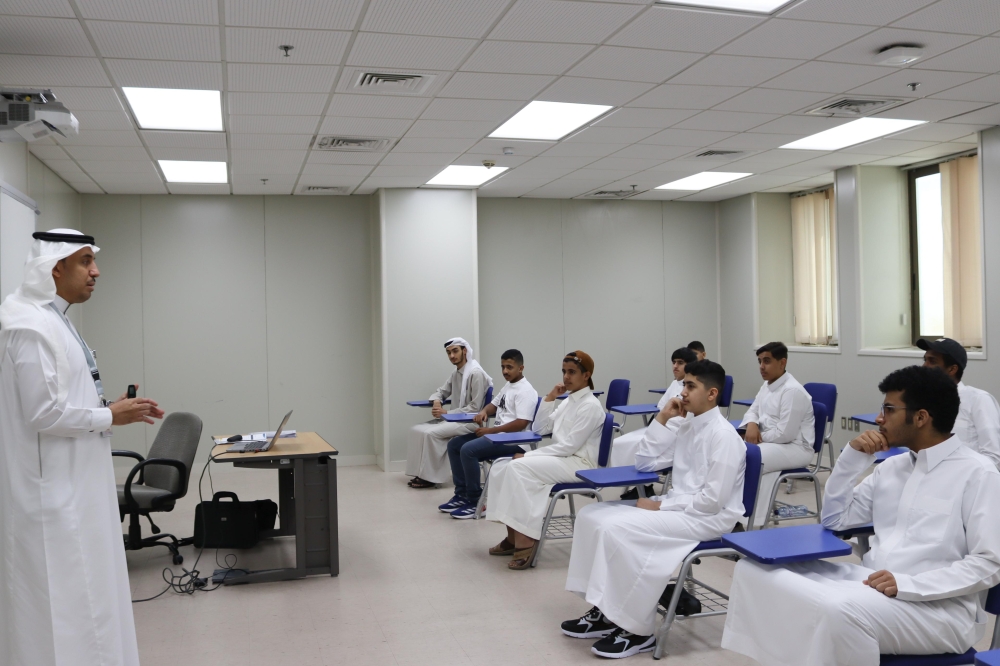
The approved study plans guide for the academic year 1448 AH introduced temporary study plans that rely on models combining in-person, blended, and distance education, aiming to provide greater flexibility in managing the educational process and dealing with educational, organizational, and operational variables, while ensuring the continuity of study and achieving targeted learning outcomes.
The guide, issued by the National Center for Curricula, explained that temporary study plans are educational plans implemented for a specific period when needed, allowing the use of alternative or developed educational models that suit existing conditions, ensuring the continued delivery of educational content within approved regulatory frameworks.
Related News
Two Models for Temporary Plans
The guide included two models for implementing temporary study plans, defining the mechanism for distributing subjects among different learning styles, achieving a balance between in-person education and the use of digital technologies, while maintaining the number of class periods and approved learning outcomes. According to the first model, mathematics, science, English, critical thinking, art education, and activity are taught in-person at school, while Arabic, social studies, technical and digital skills, life and family skills, physical education, and self-defense are provided in a blended learning style, and the Holy Quran and Islamic studies are taught remotely via educational platforms. As for the second model, it places Arabic and activities among the subjects taught in-person, while mathematics, science, English, critical thinking, art education, physical education, and self-defense are provided in a blended learning style, and the Holy Quran, Islamic studies, social studies, technical and digital skills, and life and family skills are taught remotely, with an emphasis that the proportion of in-person teaching for blended subjects should not be less than 70% of their total classes, and the remaining classes are completed through digital platforms. The guide indicated that the introduction of these plans comes within the development of study plans, enhancing schools' readiness to deal with various circumstances, increasing the flexibility of the educational system, and allowing the use of modern learning styles without compromising the quality of education or its objectives, while adhering to the approved study plan at all educational levels.
Original source: Al-Yaum




Comments (0)
Be the first to comment.