Cultural / Heritage Villages in Asir: A Civilizational Memory Transformed into Platforms for Culture and Tourism
Cultural / Heritage Villages in Asir: A Civilizational Memory Transformed into Platforms for Culture and Tourism
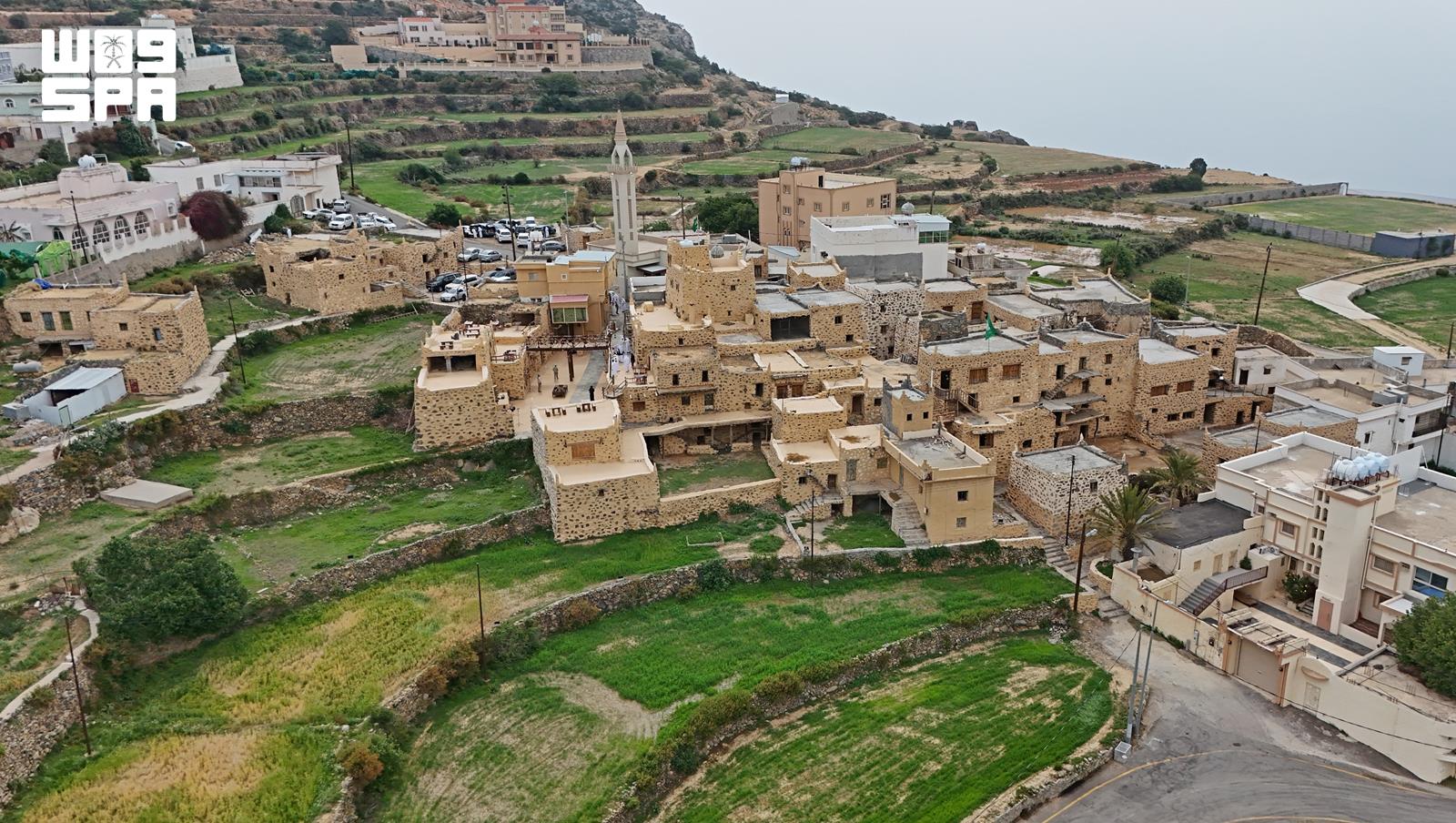
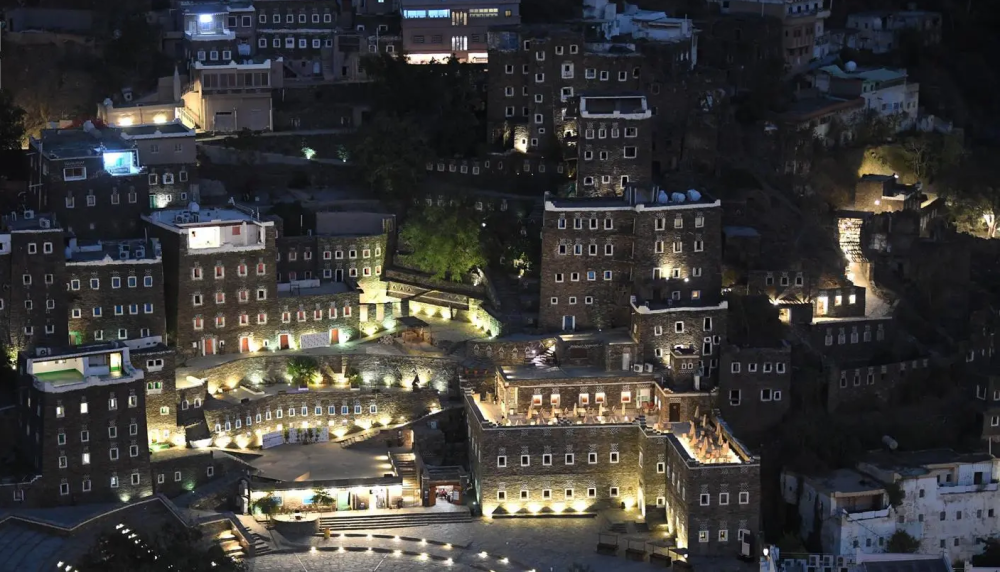
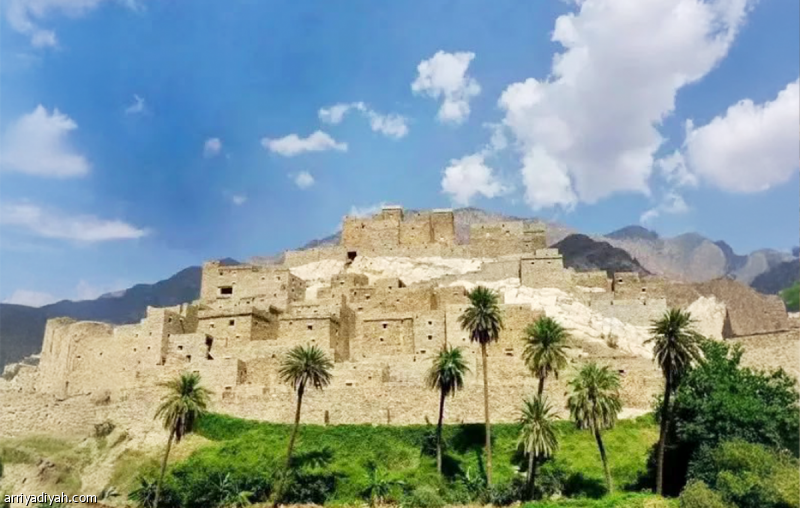
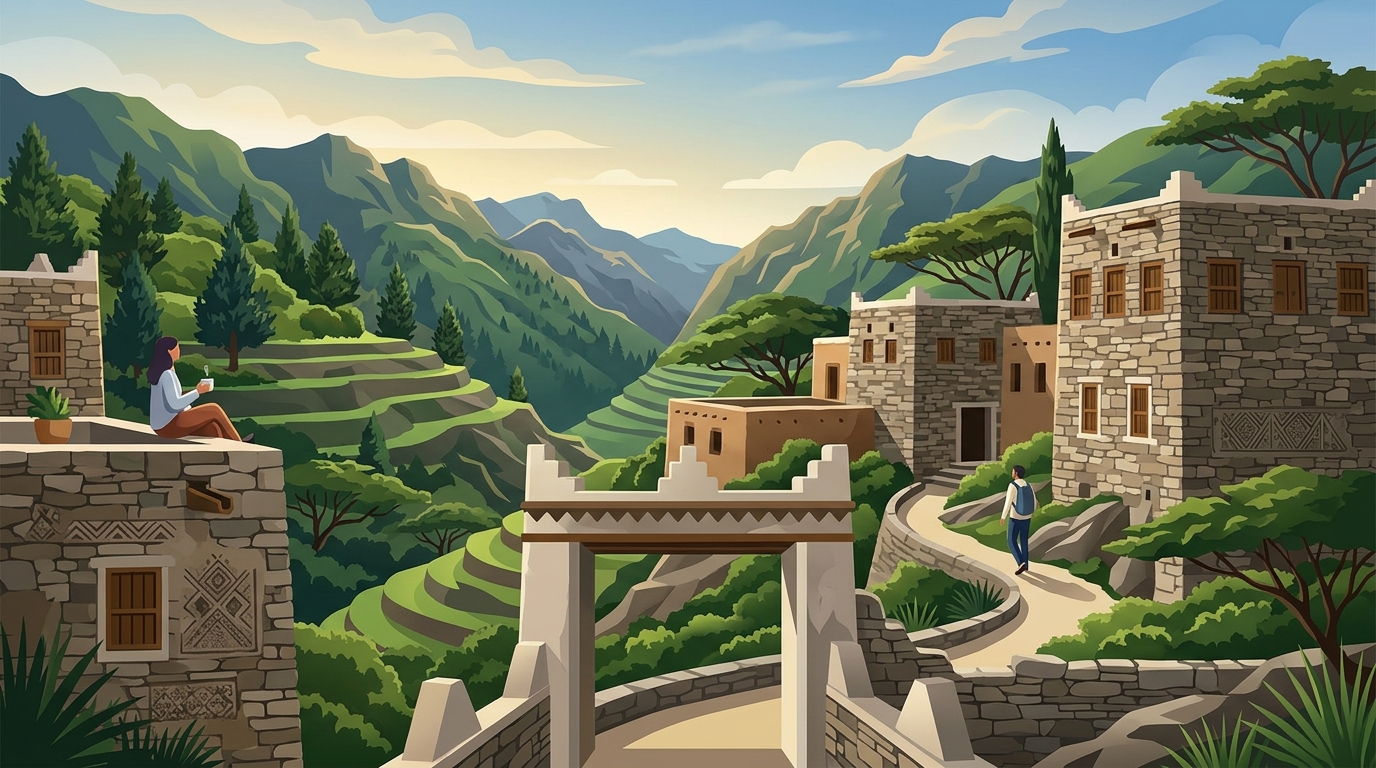
Abha, Muharram 24, 1448 AH corresponding to July 9, 2026 AD, SPA – The heritage villages in the Asir region are no longer just architectural landmarks preserving the features of the past; today, they have become vibrant cultural and tourism spaces, hosting seminars, poetry evenings, folk performances, and handicraft exhibitions. They contribute to strengthening national identity and boosting tourism activity, within the framework of the growing interest in heritage as one of the tributaries of sustainable development and achieving the goals of Saudi Vision 2030. The Asir region is considered one of the richest regions of the Kingdom in heritage villages, with more than 4,000 heritage villages distributed across its various governorates. Among the most famous are "Rijal" in Rijal Almaa Governorate, "Tabab" northwest of Abha city, "Al Yanfa'" in the development center southeast of Abha city, "Al Akkas" northwest of Abha city, "Al Madanah" in Al Namas Governorate, and other sites that represent unique examples of mountain architecture in Saudi Arabia. The efforts to revive them are part of national efforts that have contributed to the registration and classification of 50,000 heritage urban sites in the Kingdom by the year 2025, after the Heritage Authority added about 25,000 new sites during the past year 2025, a step that reflects the extent of interest in preserving the urban heritage and employing it culturally and tourism-wise. Dr. Muhammad Al-Omari, a faculty member at King Khalid University, said in his interview with the Saudi Press Agency that heritage villages are inherently an integral part of culture, and therefore hosting cultural events represents a state of integration between place and content. He explained that holding seminars and intellectual activities within these villages gives events a different dimension, because historical sites add cultural value that goes beyond their architectural or historical value. Al-Omari stressed that the real value of heritage villages lies not only in their buildings, no matter how beautiful their architecture and ancient construction details, but in the life breathed into them through diverse cultural programs. He pointed out that the concept of culture is not limited to seminars and lectures, but also includes folk arts such as Al-Ardah and Al-Khatwa, poetry evenings, music, traditional crafts, and everything that reflects the identity of society. He describes heritage villages as the "body" that gives cultural programs their natural place, while those programs represent life in these sites. He noted that the continuity of cultural activities within villages contributes to introducing new generations to their national identity and strengthening their connection to popular heritage through direct experience, not just through books or curricula. He indicated that investment in heritage villages should go beyond tourism seasons to become a sustainable cultural and development project throughout the year, by organizing training programs and workshops in Saudi hospitality etiquette, teaching folk arts, making traditional dishes, and handicrafts, in addition to allocating spaces for productive families to market their products inside these villages, thus transforming them into economic, social, and cultural centers at the same time. The heritage villages in Asir have witnessed in recent years an increase in hosting events within the programs of tourism and cultural seasons, which has contributed to increasing visitor turnout and turning them into destinations that combine tourism experience and cultural knowledge, in a model that reflects the success of employing urban heritage as an economic and cultural resource simultaneously. // End // 18:35 T M 0151
Abha, Muharram 24, 1448 AH corresponding to July 9, 2026 AD, SPA – The heritage villages in the Asir region are no longer just architectural landmarks preserving the features of the past; today, they have become vibrant cultural and tourism spaces, hosting seminars, poetry evenings, folk performances, and handicraft exhibitions. They contribute to strengthening national identity and boosting tourism activity, within the framework of the growing interest in heritage as one of the tributaries of sustainable development and achieving the goals of Saudi Vision 2030. The Asir region is considered one of the richest regions of the Kingdom in heritage villages, with more than 4,000 heritage villages distributed across its various governorates. Among the most famous are "Rijal" in Rijal Almaa Governorate, "Tabab" northwest of Abha city, "Al Yanfa'" in the development center southeast of Abha city, "Al Akkas" northwest of Abha city, "Al Madanah" in Al Namas Governorate, and other sites that represent unique examples of mountain architecture in Saudi Arabia. The efforts to revive them are part of national efforts that have contributed to the registration and classification of 50,000 heritage urban sites in the Kingdom by the year 2025, after the Heritage Authority added about 25,000 new sites during the past year 2025, a step that reflects the extent of interest in preserving the urban heritage and employing it culturally and tourism-wise. Dr. Muhammad Al-Omari, a faculty member at King Khalid University, said in his interview with the Saudi Press Agency that heritage villages are inherently an integral part of culture, and therefore hosting cultural events represents a state of integration between place and content. He explained that holding seminars and intellectual activities within these villages gives events a different dimension, because historical sites add cultural value that goes beyond their architectural or historical value. Al-Omari stressed that the real value of heritage villages lies not only in their buildings, no matter how beautiful their architecture and ancient construction details, but in the life breathed into them through diverse cultural programs. He pointed out that the concept of culture is not limited to seminars and lectures, but also includes folk arts such as Al-Ardah and Al-Khatwa, poetry evenings, music, traditional crafts, and everything that reflects the identity of society. He describes heritage villages as the "body" that gives cultural programs their natural place, while those programs represent life in these sites. He noted that the continuity of cultural activities within villages contributes to introducing new generations to their national identity and strengthening their connection to popular heritage through direct experience, not just through books or curricula. He indicated that investment in heritage villages should go beyond tourism seasons to become a sustainable cultural and development project throughout the year, by organizing training programs and workshops in Saudi hospitality etiquette, teaching folk arts, making traditional dishes, and handicrafts, in addition to allocating spaces for productive families to market their products inside these villages, thus transforming them into economic, social, and cultural centers at the same time. The heritage villages in Asir have witnessed in recent years an increase in hosting events within the programs of tourism and cultural seasons, which has contributed to increasing visitor turnout and turning them into destinations that combine tourism experience and cultural knowledge, in a model that reflects the success of employing urban heritage as an economic and cultural resource simultaneously. // End // 18:35 T M 0151
Original source: SPA
Comments (0)
Be the first to comment.