Education Ministry Allows Rotation of Teachers and Administrators in Integrated Schools Model
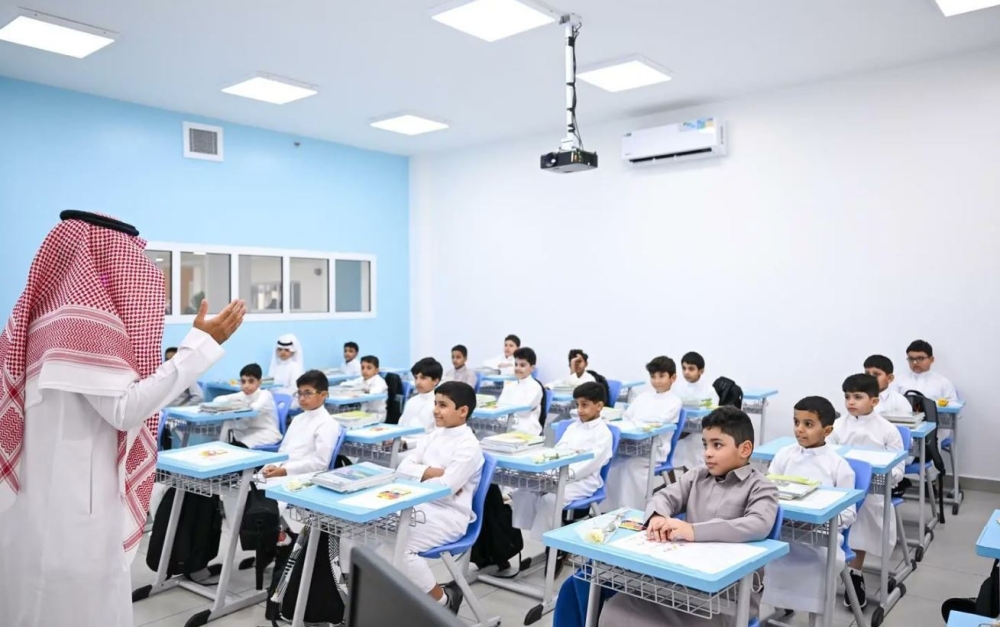
The Ministry of Education has authorized the general supervisor of the "Integrated Schools" group to rotate teachers and administrators among its affiliated schools according to specific regulations.
The decision aims to enhance the efficiency of human resources and achieve balance without compromising the independence of school principals.
Related news
The Ministry explained that this procedure requires prior coordination with the relevant departments in the education directorate to ensure the interests of the educational process. It emphasized that the rotation is not carried out randomly but is subject to approved regulatory controls to support schools based on their actual needs. It also stated that the "Integrated Schools" model relies on leading a group of public schools within a unified framework to exchange expertise and reduce gaps. It pointed out that this model shifts the work from improving each school individually to developing an integrated system that shares responsibility. The Ministry stressed that implementing the model does not cancel the administrative and executive independence of each school or reduce the powers of its principals. It denied the creation of any new administrative structures, indicating that the general supervisor is assigned to one of the existing supervisory positions to enhance field leadership.
Professional partnership
It mentioned that the relationship between the general supervisor and the school principal is based on a professional partnership, where the latter retains daily executive management tasks. It added that the supervisor devotes himself to leading improvement programs and monitoring performance from his workplace within one of the group's schools. The Ministry revealed that the selection of supervisors is limited to distinguished school principals who have spent at least three years in administration. It noted that candidates undergo professional criteria and intensive training programs before assignment to ensure their ability to lead field improvement.
The model relies on developing school leadership through mentoring programs and exchange visits to discover and qualify the second tier of promising leaders. The success of the project is measured by improving learning outcomes and increasing the efficiency of investing human and material resources in line with the goals of Saudi Vision 2030.
Original source: Al-Yaum


Comments (0)
Be the first to comment.