Education Ministry Begins Implementing Arab Model for Quality and Excellence to Develop Institutional Performance
2026/07/14 15:18
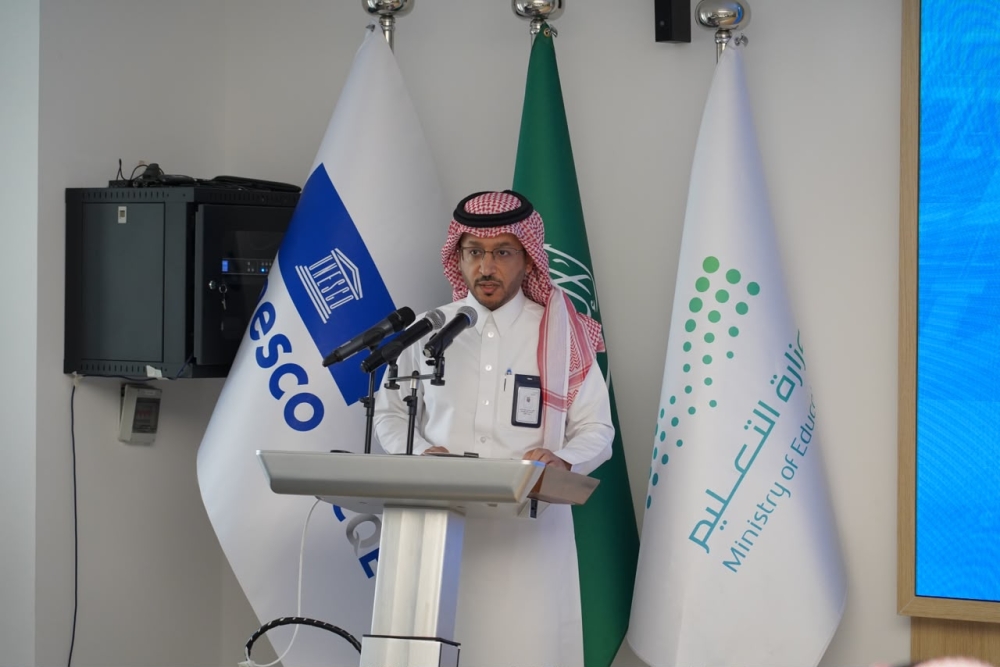
The Ministry of Education has begun implementing the Arab Model for Quality and Excellence in Education, in partnership with the UNESCO Regional Center for Quality and Excellence in Education, with the aim of developing institutional performance, raising the efficiency of educational institutions, empowering educational leaders, and entrenching a culture of continuous improvement, thereby enhancing the quality of educational outputs and aligning with the goals of Saudi Vision 2030.
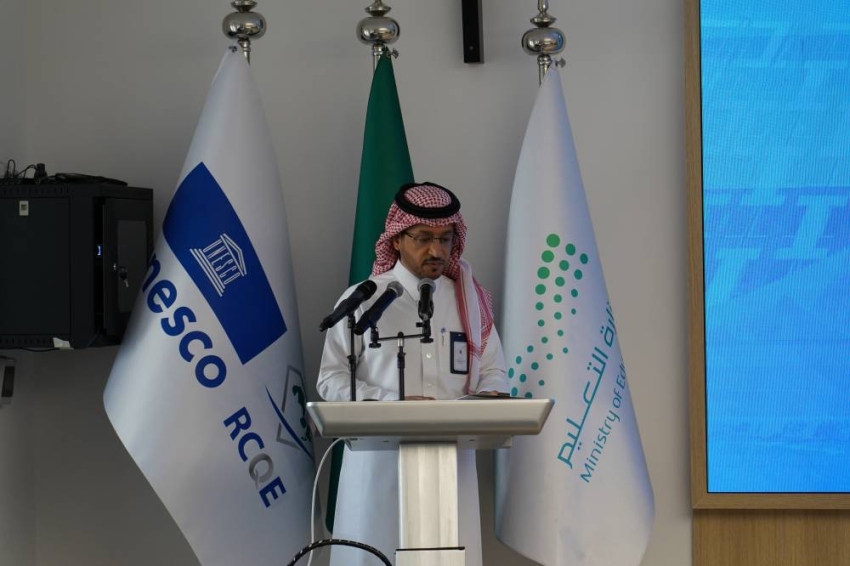
The launch of the program, which lasts four days at the ministry's headquarters in Riyadh, was sponsored by Minister of Education and Chairman of the Center's Board of Directors Youssef Al-Bunyan, and attended by Deputy Minister of Education for Public Education Dr. Saad Al-Harbi, along with a number of officials, representatives of international organizations, educational leaders, experts, and specialists.
Related news
Developing the educational system Deputy Minister of Education for Public Education Dr. Saad Al-Harbi confirmed that the implementation of the model is an extension of the support the education sector in the Kingdom receives from the wise leadership, and is in harmony with the ministry's efforts to develop the educational system, enhance the quality of its outputs, and raise the efficiency of its performance, leading to building a globally competitive education that contributes to preparing individuals and developing the future. He explained that the Arab Model for Quality and Excellence in Education represents an Arab initiative aimed at providing a unified methodological framework that supports educational institutions in developing their performance, raising their efficiency, and enhancing their ability to achieve sustainable educational impact, noting that its implementation in the Kingdom is a qualitative step to entrench a culture of performance measurement and link educational practices with indicators, results, and impact at both strategic and operational levels.
A pioneering system Al-Harbi added that the Kingdom is moving rapidly towards building a pioneering educational system that supports innovation and knowledge production and contributes to achieving sustainable development, stressing that the implementation of the model reflects the Ministry of Education's keenness to empower educational leaders, elevate institutional performance, improve the quality of outputs, and enhance the culture of excellence in various education sectors. Meanwhile, Director General of the UNESCO Regional Center for Quality and Excellence in Education Dr. Abdulrahman Al-Mudaires explained that launching the implementation of the model in the Kingdom represents a transition from the model-building stage to the practical application stage, contributing to transforming concepts of quality and excellence into institutional practices and measurable indicators that support decision-making and entrench a culture of continuous improvement.
Scientific framework Al-Mudaires pointed out that the model was designed to be a practical framework that helps educational institutions diagnose their reality, identify development priorities, and build evidence-based improvement plans that link leadership, policies, learning environments, performance outcomes, and impact on the learner and society. He added that the implementation of the model in the Kingdom is of particular importance due to its extensive educational system and pioneering development experiences, making the Saudi experience a reference model that can be used to support the implementation of the model at the level of Arab countries, based on the Kingdom's status as the host country of the UNESCO Regional Center for Quality and Excellence in Education.
Institutional culture He explained that the model is based on an integrated system that includes the general model for quality and excellence in education, along with specialized models covering quality of early childhood care and education, technical and vocational education, education in crises and emergencies, and green education, supported by frameworks, standards, and indicators that contribute to building an institutional culture based on evaluation, continuous improvement, and performance sustainability. The program, targeting decision-makers and educational leaders in various sectors of the ministry, includes scientific sessions, discussion panels, and specialized training workshops with the participation of experts in quality and institutional excellence, and focuses on mechanisms for implementing the model, building national capacities, and enabling educational leaders and staff to employ it in developing institutional performance, thereby enhancing the competitiveness of the education sector at regional and international levels.
Original source: Al-Yaum




Comments (0)
Be the first to comment.