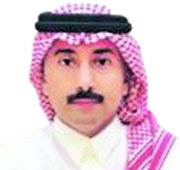
Eight Years Toward 2034 - Dr. Sattam bin Abdullah Al Saad
Since the launch of the World Cup in 1930, 96 years have passed and 23 editions have been held, yet only eight teams have lifted the trophy. This figure reveals that reaching the pinnacle of world football is the result of long-term cumulative work, starting from schools and academies, passing through an integrated professional system, and ending with a deeply rooted football culture in society.
Hence, discussing the Saudi national team's participation in the 2034 World Cup, which the Kingdom will host, requires a great deal of realism, and plans that start from facts, understand capabilities, work on developing them, and deal with strengths and weaknesses clearly and objectively, away from flattery.
This does not mean lowering the ceiling of ambition, but rather redefining the meaning of achievement at this stage. True success in 2034 may be building a Saudi national team capable of competing with the world's top teams, reaching advanced stages such as the quarter-finals or semi-finals, and playing football that commands respect. That would be a historic achievement in Saudi football's journey and an important step toward greater ambitions in the future.
To turn this ambition into a viable project, the next eight years are sufficient to build this team, if invested in preparing players currently aged between 13 and 17, and developing them technically, physically, and mentally within a single national project, led by a stable administration, governed by clear performance indicators that do not change with changes in administrations and coaches.
Hosting the 2034 World Cup is a historic opportunity for Saudi football, and a real test of our ability to build a long-term football legacy that paves the way for restoring the national team's dominance in the Asian Cup, and enhancing its leadership in the Arab and Gulf championships.
Original source: Al-Jazirah




Comments (0)
Be the first to comment.