Environment Approves 7 Seasonal Fodders and Specifies Their Cultivation Range
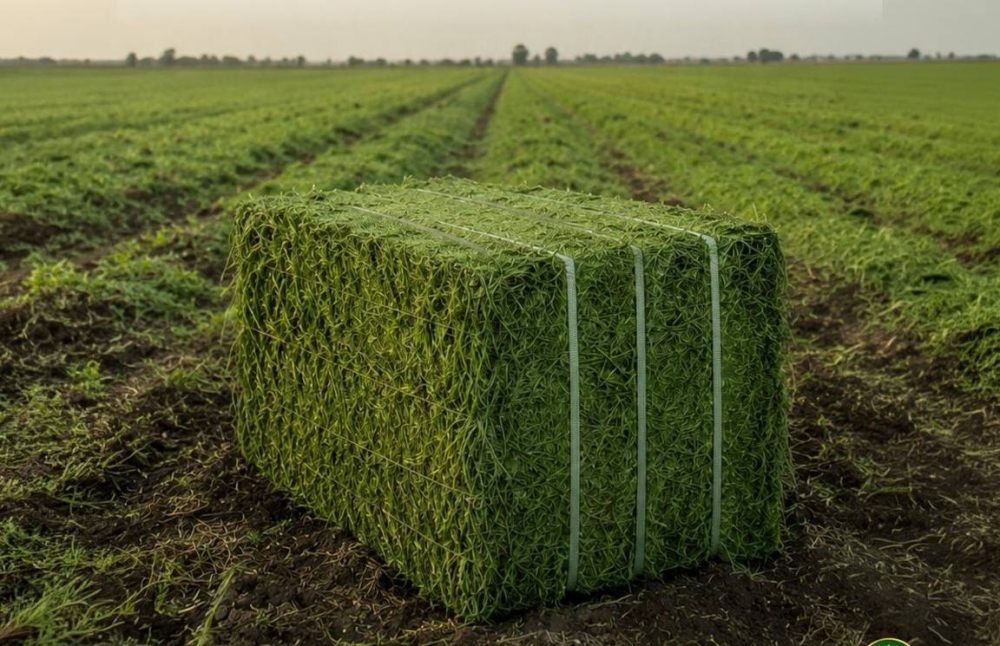
The Ministry of Environment, Water, and Agriculture announced the types of seasonal fodders allowed for cultivation and the controls for their scope of application, coinciding with the upcoming implementation of the decision to stop cultivating perennial fodders as of November 16, 2026, as part of efforts to preserve non-renewable natural resources and enhance water security. The ministry explained that the approved seasonal fodders include: Egyptian berseem (single cut), Egyptian berseem (multiple cuts), broadleaf berseem, common vetch, oats, Italian ryegrass, and perennial ryegrass, subject to obtaining a license to cultivate these crops. Seasonal fodders. The Ministry of Environment, Water, and Agriculture clarified that the controls apply only to the sedimentary shelf regions, including: Riyadh, Al-Qassim, the Eastern Province, Hail, Tabuk, and Al-Jouf, where the decision applies to areas cultivated with perennial fodders within these regions, in preparation for shifting to seasonal fodder cultivation that consumes less water. More efficient. This regulation comes within the ministry's plan to rationalize groundwater consumption, as it aims to replace seasonal fodder crops that are more efficient in water use, thereby supporting the sustainability of the agricultural sector and achieving the goals of Saudi Vision 2030 in water and food security. Most prominent controls: Implementation of stopping perennial fodder cultivation begins on November 16, 2026. Allowing cultivation of 7 types of seasonal fodders. Application limited to sedimentary shelf regions: Riyadh, Al-Qassim, Eastern Province, Hail, Tabuk, and Al-Jouf. Requirement to obtain a license for seasonal fodder cultivation. Aiming to rationalize water consumption and shift to more water-efficient crops.
< Previous PageNext Page >
Original source: Al-Watan





Comments (0)
Be the first to comment.