General / Quality of Life Program in 2025.. Qualitative Achievements and Economic Impact Exceeding 78 Billion Riyals
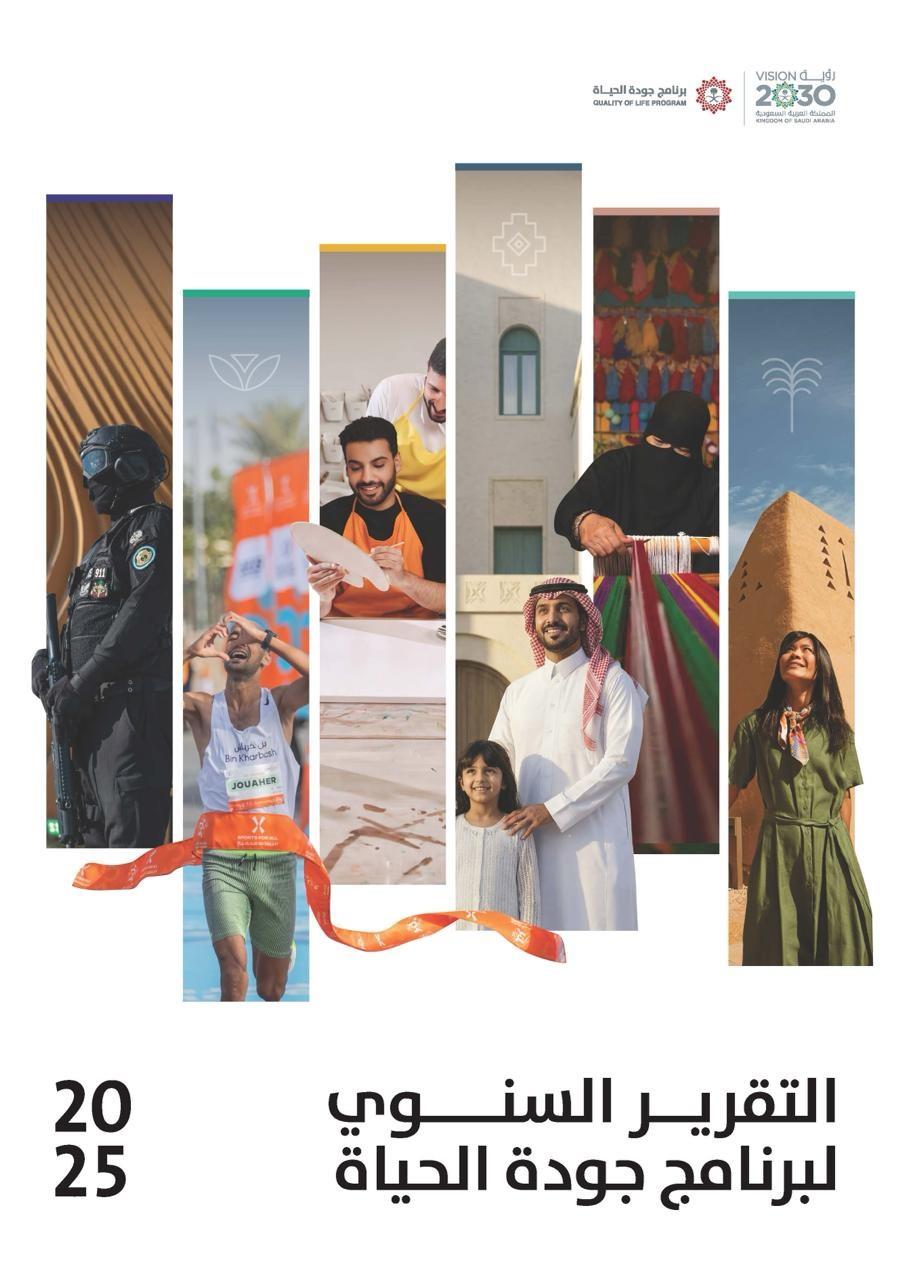
Riyadh, Safar 06, 1448 AH, corresponding to July 20, 2026, SPA reviewed the Quality of Life Program - one of the programs to achieve Saudi Vision 2030 - in its annual report for 2025, highlighting the most prominent achievements made in various related sectors, and the progress witnessed by the Quality of Life system in implementing transformative initiatives and projects, contributing to the goals of Vision 2030 and enhancing the quality of life for all residents of the Kingdom. On the economic impact level, the Quality of Life Program's contribution to the gross domestic product reached 78 billion riyals, exceeding the target of 77.1 billion riyals. The contribution to non-government investment recorded 21.8 billion riyals, and the local content ratio rose to 44%, exceeding the target of 37%, along with the creation of 387,000 jobs by the end of the year, with an annual increase of 6.35%. The program launched the Global Quality of Life Index, which more than 90 cities from 35 countries joined, and was included in the strategic plan of the United Nations Human Settlements Programme, forming an international platform supporting decision-makers and initiatives to improve the quality of life in cities around the world, and enhancing the Kingdom's presence and leading role in this field. At the level of the program's sectors, the urban design sector made progress in improving the built environment through the Saudi Architecture Map initiative launched by His Royal Highness Prince Mohammed bin Salman bin Abdulaziz Al Saud, Crown Prince and Prime Minister - may God protect him - which includes 19 architectural styles inspired by the geographical and cultural characteristics of the Kingdom, enhancing urban identity and providing space for creative design while preserving local character. The satisfaction rate of citizens with municipal services rose to 85%, exceeding the target of 74%. The "Foras" initiative contributed to connecting 49 government entities with the private sector by offering more than 19,000 investment opportunities, and the value of returns from its contracts exceeded 9 billion riyals, reflecting the success of the partnership between the two sectors in supporting urban economies. The tourism sector witnessed continuous growth, as the Kingdom's destinations received during the Saudi Summer season more than 32 million domestic and international tourists, a growth rate of 26% compared to the previous season, and tourism spending exceeded 53.2 billion riyals, a growth of 15%. The Kingdom ranked first globally as the highest tourist destination in the growth rate of international tourist revenues during the first quarter of 2025, compared to the same period in 2019, according to the World Tourism Barometer report issued by the United Nations World Tourism Organization. In terms of number of tourists, the number of international tourists arriving to various Saudi destinations doubled, as the Kingdom recorded a growth of 102% in the number of international tourists during the first quarter, compared to 2019, significantly exceeding the global growth rate of 3% and the Middle East growth rate of 44%. The Kingdom ranked third globally and second regionally, enhancing its leading position in the international tourism sector. In the entertainment sector, the sector continued its expansion through a system comprising 954 licensed sites, hosting 40 unique entertainment events, in addition to implementing various training programs and development courses that benefited more than 42,000 beneficiaries in 10 cities, incubating 33 startups, and supporting 110 establishments through financing and financial guarantee programs. In the cultural sector, the Prince Mohammed bin Salman Global Center for Arabic Calligraphy was inaugurated in Medina, and the Red Sea Museum in Historic Jeddah was opened as a qualitative addition to the cultural and knowledge scene in the Kingdom. The number of days of cultural events reached 6,314 days compared to the 2025 target of 3,010 days, and the number of "visitable national heritage sites" reached 232 sites, achieving the indicator target for 2025. In the sports sector, the percentage of adults practicing physical activity rose to 59.1%, exceeding the target of 55%. More than 230,000 participants benefited from the Sports for All platform, which includes more than 9,000 sports groups, reflecting the growing culture of sports practice and promoting healthy lifestyles. The security sector witnessed the inauguration of the Unified Security Operations Center (911) in Medina, becoming the fourth in the Kingdom, unifying the work of 28 operations rooms within an integrated operational system including security, government, and service entities in the region. The achievements in 2025 reflect the continued progress in achieving the goals of the Quality of Life Program, and consolidating the Kingdom's position as a global model in urban development, improving quality of life, and enhancing sustainable development according to the goals of Vision 2030. // End // 21:02 T.M. 0176
Original source: SPA


Comments (0)
Be the first to comment.