Historical Palaces in Taif: A Tourist Attraction Enhancing the Status of the Bride of Summer Resorts
Historical Palaces in Taif: A Tourist Attraction Enhancing the Status of the Bride of Summer Resorts
Abdullah Mahmoud - Taif
Date of Publication: July 22, 2026 21:42 KSA
A A
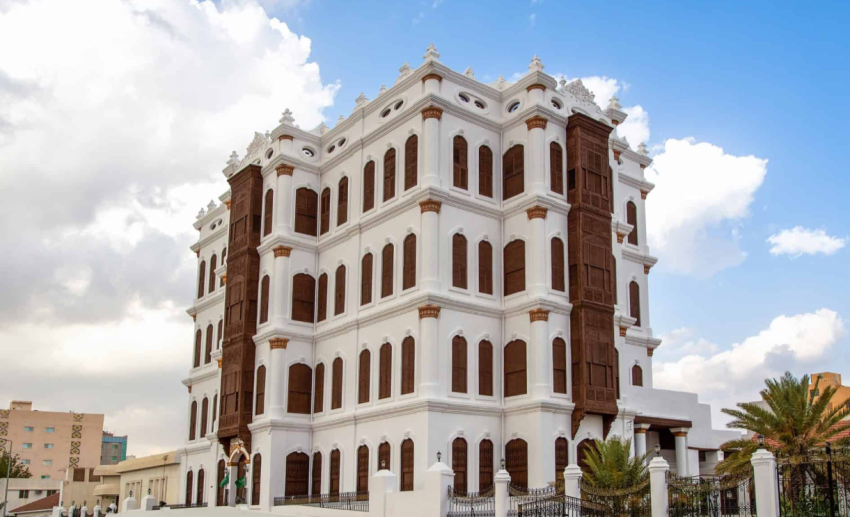
Taif Governorate is no longer just a destination for visitors to enjoy its moderate climate and green nature; the historical palaces scattered in its old neighborhoods have become one of the most prominent elements of tourist and cultural attraction due to their historical and architectural value, reflecting the city's ancient heritage and its centuries-long history.
Taif includes more than twelve historical palaces and houses distributed in the city center and old neighborhoods, forming an architectural heritage that embodies the features of authentic Hejazi architecture and highlights the historical status of the governorate as the first summer resort of the Kingdom and a destination for kings, princes, and prominent figures. Shubra Palace tops these historical landmarks, being the most famous palace in Taif and one of the most prominent heritage symbols in the Kingdom. It was founded by Sharif Ali Abdullah bin Muhammad bin Abdul-Mu'in bin Awn Pasha in 1323 AH (1904 AD) and completed in 1324 AH (1906 AD). It is distinguished by an architectural design that combines traditional Hejazi style with Roman and Islamic influences.
The palace gained great national importance after King Abdulaziz Al Saud made it his residence and the center for managing state affairs during the summer. It also witnessed the birth of Princes Nawaf bin Abdulaziz and Talal bin Abdulaziz. Later, it became the headquarters of the Presidency of the Council of Ministers during the reign of King Faisal bin Abdulaziz before being converted into a regional museum open to visitors. Other historical landmarks of no less importance also stand out, such as Al-Saqqaf Palace and Al-Katib Palace, along with a number of palaces and heritage houses that still bear witness to the city's history, including Al-Buqri Palace, Al-Dahlawi Palace, Al-Jifali Palace, Al-Sabban Palace, Bafil House, Al-Qama Palace, Al-Qadi House, Al-Azizia House, Shuqair House, Al-Halawani House, and Bin Salim House. Restoration and rehabilitation works, along with the inclusion of these sites in tourist itineraries, have contributed to enhancing Taif's position on the cultural tourism map of the Kingdom and attracting a broader segment of visitors interested in heritage and historical architecture. These palaces also represent an important tributary for supporting the local economy and highlighting the cultural identity of the governorate, in line with the goals of Saudi Vision 2030 to preserve and invest in national heritage as one of the most important elements of tourism development.
Original source: Al-Madina


Comments (0)
Be the first to comment.