When Numbers Speak: Religious Affairs Writes a National Success Story

Under the patronage of Prince Salman bin Sultan, Governor of Medina, the Presidency of Religious Affairs at the Grand Mosque and the Prophet's Mosque showcased its operational plan outcomes for the 1447 Hajj season. The report highlighted over 12 million beneficiaries, 193,800 guidance materials in multiple languages, and a 96.9% overall completion rate, reflecting Saudi Vision 2030's focus on measurable performance and institutional excellence.
Book
When Numbers Speak: Religious Affairs Writes a National Success Story
Dr. Mona Youssef Hamdan
Date of publication: July 19, 2026 22:54 KSA
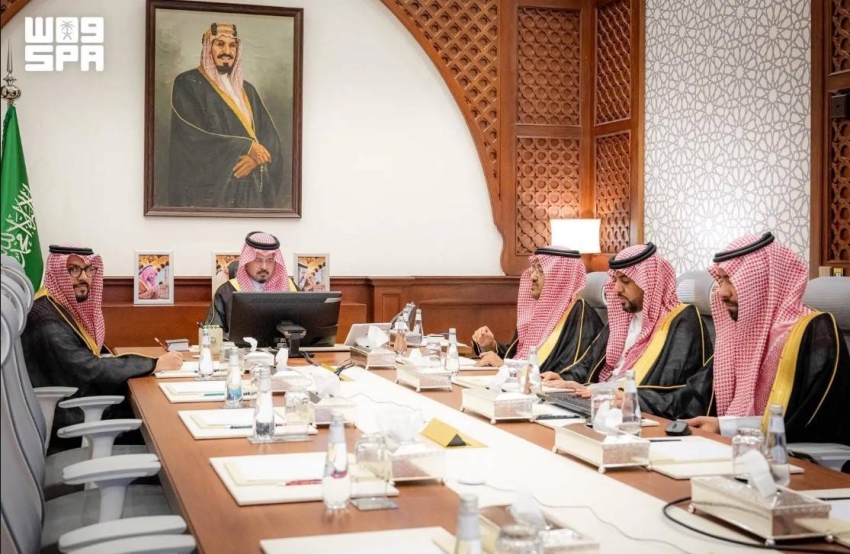
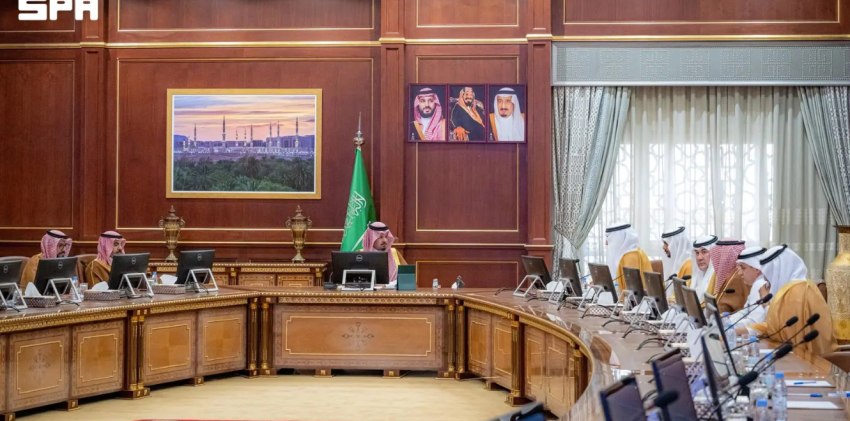
In an era where numbers have become the most honest language for measuring achievement, the patronage of His Royal Highness Prince Salman bin Sultan, Governor of Medina - may God protect him - of the closing ceremony to review the achievements of the operational plan of the Presidency of Religious Affairs at the Grand Mosque and the Prophet's Mosque, in the presence of His Excellency the President of Religious Affairs at the Grand Mosque and the Prophet's Mosque, His Eminence Sheikh Dr. Abdulrahman Al-Sudais, affirmed that serving the guests of the Merciful is no longer a seasonal task, but has become an integrated institutional system managed according to precise performance indicators, with its results measured by the impact they leave on the experience of millions of Muslims coming to the Two Holy Mosques.
The ceremony was not merely a protocol event, but a national platform to review a complete success story, carried by the final report of the operational plan for the 1447 Hajj season, which documented a work journey extending from the Ramadan season to the end of the Hajj season, revealing the scale of effort exerted by the Presidency to achieve the goals of Saudi Vision 2030 in upgrading religious and enrichment services. The best part of this report is that it did not rely on rhetoric, but made the numbers speak. More than 12 million beneficiaries received religious and enrichment services, while the number of guidance materials exceeded 193,800 in multiple languages, and the media and awareness content contributed to more than 7 million views, a clear indicator of the Presidency's success in employing digital media to convey the moderate message of the true religion.
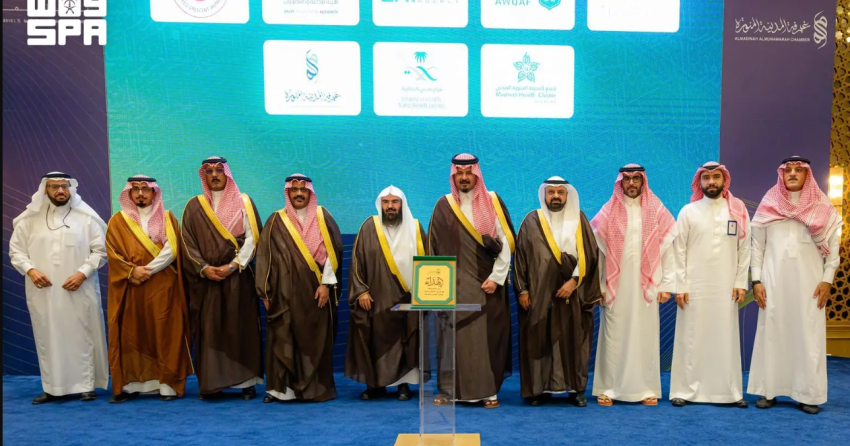
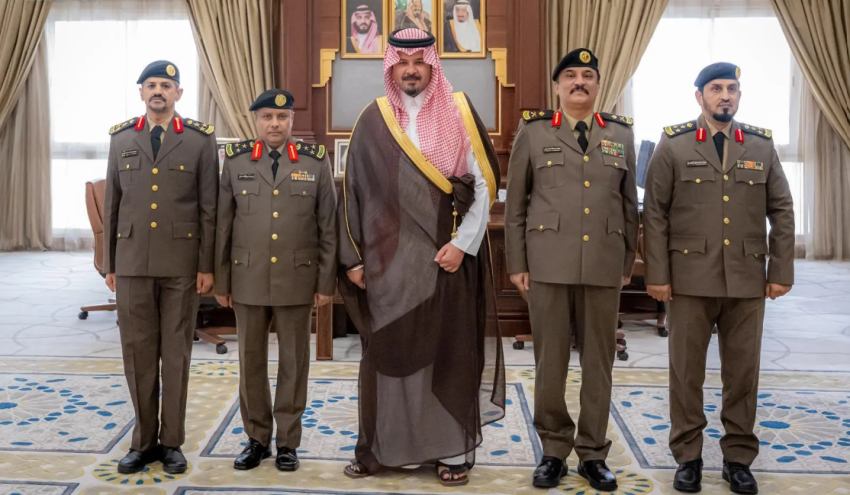
Saudi Vision 2030 has established an institutional culture based on impact measurement, and the language of reports no longer relies on description and rhetoric, but instead relies on accurate data and performance indicators. This is what the Presidency of Religious Affairs embodied in its report through a professional work system that spanned from planning to implementation, and from initiative to evaluation. Since success is only achieved with a qualified human system, the Presidency mobilized 684 competencies including imams, muezzins, teachers, translators, guides, volunteers, and employees, working within an integrated system supported by an operational infrastructure that included 150 guidance sites, 35 interactive screens, and dozens of field equipment that contributed to providing qualitative services that meet the highest quality standards. But the most indicative number is the 96.9% overall completion rate, a rate not achieved by chance, but rather - thanks to God - as a result of professional management that tracked 192 performance indicators and implemented 69 initiatives, of which 51 were completed at 100%, while the remaining initiatives exceeded the target completion rates. These are numbers that confirm that institutional work in religious affairs has become operating according to strategic planning, governance, performance management, and continuous improvement methodologies, under the directives of the President of Religious Affairs, His Eminence Sheikh Abdulrahman Al-Sudais, who emphasizes in all his meetings with work teams the adherence to quality and perfection standards, and the awareness of the great trust placed upon us in serving the Two Holy Mosques and the guests of the Merciful. Among the most beautiful scenes of the ceremony was the honoring of success partners from government, private, and non-profit sectors, as His Royal Highness the Governor of Medina graciously honored them, in a message affirming that serving the guests of the Merciful is a shared national responsibility, and that true achievement is one where efforts are integrated, institutions unite, and entities share the honor of serving the Two Holy Mosques. The Presidency has proven that the religious message can be managed with the highest standards of institutional professionalism, and that sanctity does not conflict with governance but is reinforced by it, and that serving the Two Holy Mosques is no longer just performing seasonal tasks, but has become an integrated national industry speaking the language of quality. This report was a national document chronicling a new phase of institutional excellence in serving the guests of the Merciful, and affirming that the Kingdom is steadily moving towards achieving the goals of Vision 2030, which turns numbers into evidence and indicators into success stories. To be continued in the next article about the role of women in the Prophet's Mosque as an effective partner in making impact and achieving accomplishments in the language of numbers.
The Two Holy MosquesArticle
Original source: Al-Madina
Comments (0)
Be the first to comment.